
The short version
The Trump administration is rolling out tough new rules from the US Department of Commerce that limit how countries and companies worldwide can buy big batches of powerful American-made AI chips from Nvidia and AMD. Small orders (up to 1,000 chips like Nvidia's GB300) get a quick okay, medium ones (1,000 to 200,000) need US government pre-approval and transparency checks, and massive orders (200,000 or more) require buyers to invest directly in US AI data centers plus security promises—think of it like having to build a factory in America if you want to buy a truckload of the best engines. This could make AI tech more expensive and slower to spread globally, hitting your wallet through higher cloud service prices and potentially slower AI improvements in apps you use every day.
What happened
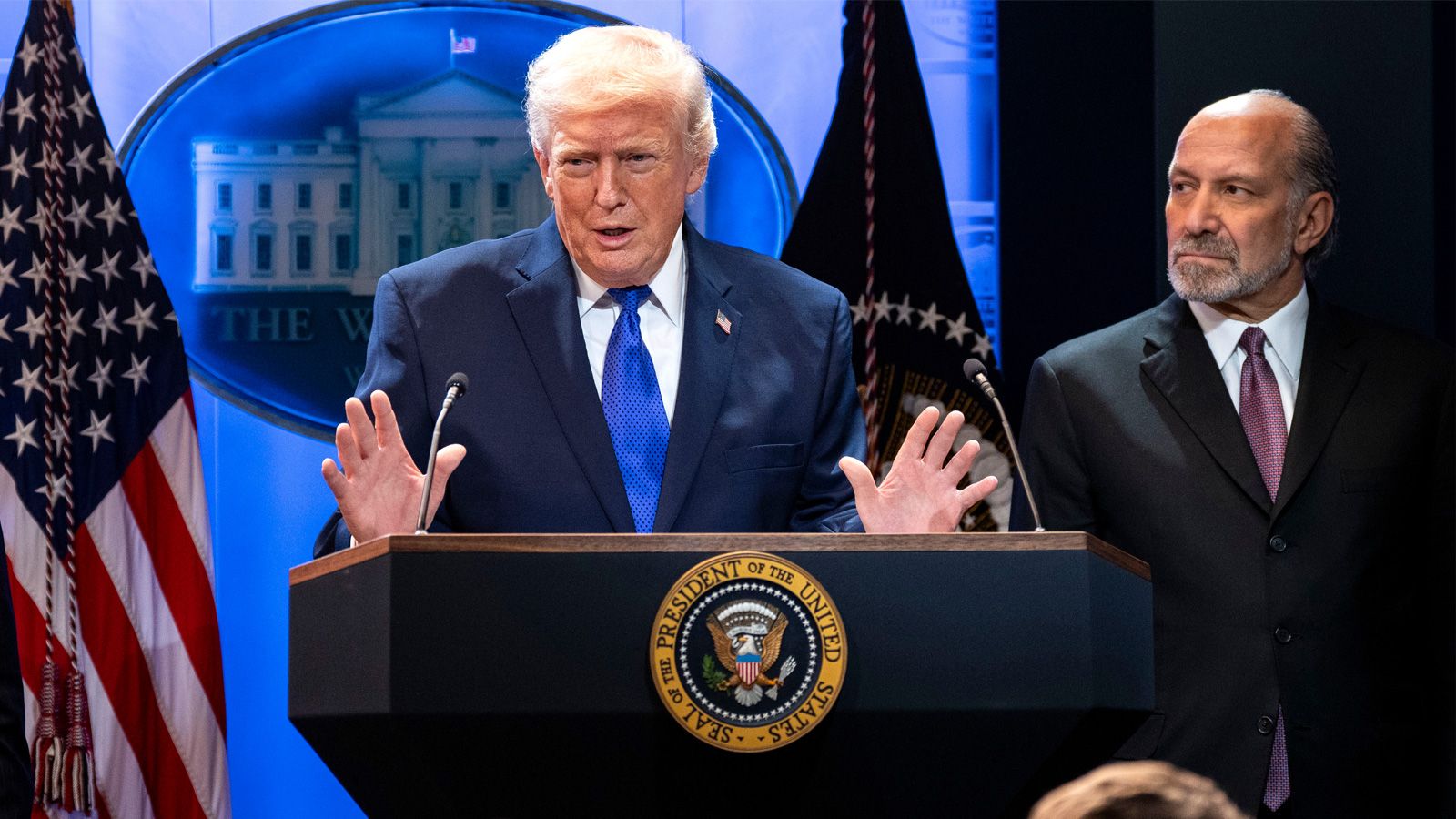
Imagine the world's most powerful AI "brains"—special computer chips made by US companies like Nvidia and AMD—are like the supercharged engines that power everything from ChatGPT to self-driving car tech. Right now, these chips (like Nvidia's top-tier GB300 models) are in huge demand because they make AI super smart and fast. But the US government, under President Trump and Commerce Secretary Howard Lutnick, is stepping in with new export rules to control who gets them and how many.
These aren't the old rules from the Biden era, which split countries into "tiers" like a VIP list: close allies (Tier 1, like the UK or Canada) got easy access, others faced limits or bans (Tier 3 included China, Russia, Iran, North Korea). The Trump team scrapped those as "burdensome and disastrous" and is proposing something stricter and scale-based—no more simple country tiers for everyone. It's confirmed by the Commerce Department as a fresh approach, though details are still being finalized and could change.
Here's the breakdown, straight from the sources:
- Small shipments (1,000 chips or fewer, e.g., Nvidia GB300 or equivalent): Simplified, expedited export process with some exemptions. Like ordering a few pizzas—no big paperwork.
- Medium shipments (1,000 to under 200,000 chips): Must get pre-approval from the US Department of Commerce, plus an export license. Buyers need to share "operational transparency" (details on how they'll use the chips), disclose business activities, and brace for potential on-site inspections by US officials. It's like applying for a building permit with a home visit.
- Massive orders (200,000 GB300-class chips or more, run by one entity in one country): The real kicker. Buyers must commit to investing in US-based AI data centers (those giant warehouses full of computers), hire for on-site inspections, and give national security guarantees. There might even be intergovernmental talks. Recent example: A Nvidia-Cerebras deal with the United Arab Emirates forced a 1:1 investment—$1 in US infrastructure for every $1 spent on UAE projects, effectively doubling the hardware cost.
This applies worldwide, not just to rivals. Banned countries (China, Russia, etc.) stay out, but even allies face hurdles. Big cloud companies like Amazon's AWS, Microsoft, Oracle, and OpenAI are directly impacted—they buy these chips at scale for their data centers. The rules give the Trump admin broad power to approve or block large AI builds anywhere, shifting from country-focused to "deployment-size-based" reviews. Every cluster over ~1,000 chips now needs Commerce Department preclearance.
It's part of a bigger 2025 push for "reshoring"—bringing manufacturing and AI infrastructure back to America. No pricing details or benchmarks are in the sources yet (like exact GB300 costs or speed comparisons), but the UAE example shows costs could double for big buyers. Alternatives to US chips? Sources say there are none clear right now, making Nvidia and AMD dominant.
Think of it like this: The US is the only farm growing the ripest apples (AI chips). Now, if you want a truckload, you can't just pay—you have to help build an orchard on US soil or prove you're not shipping them to make apple bombs.
Why should you care?
These rules aren't just government paperwork—they ripple straight to your daily life. AI powers the apps you use: smarter search on Google, photo editing in your phone, personalized Netflix picks, even doctors using AI for faster diagnoses. If countries and companies pay more for these chips (through investments or delays), cloud services like AWS or Microsoft Azure get pricier to run. That means higher fees for businesses, which pass costs to you—think subscription hikes for AI tools or slower updates to free apps.
Globally, AI development slows outside the US. Your international friends might wait longer for cutting-edge AI features, widening a "US-first" gap. For Americans, it's a win: more jobs building data centers here, stronger national security (less risk of rivals like China building super-AI weapons). But worldwide, it could spark trade tensions, pushing countries to seek non-US chips (if they exist) and fragmenting AI progress.
What changes for you
Practically, nothing flips overnight—details are still being worked out. But here's the real-world hit:
- Higher costs: Big AI users (OpenAI, etc.) face doubled expenses for mega-orders, like the UAE deal. This trickles down: ChatGPT Plus or Google One AI features might cost $5-10 more monthly. Businesses pay more for cloud AI, raising prices for tools like Adobe Firefly or Midjourney.
- Slower AI rollouts: Delays in approvals mean fewer global data centers with top Nvidia/AMD chips. Your phone's AI assistant (like Siri or Gemini) improves slower if training happens on weaker hardware abroad.
- US boost: More data centers stateside create jobs (construction, tech ops) and keep AI leadership here—your tax dollars fund secure, homegrown innovation.
- App impacts: No direct app changes yet, but expect US services (Microsoft Copilot) to pull ahead of international ones. If you're a gamer, Nvidia's AI upscaling in games stays top-tier here first.
- Travel/work abroad: If you use AI-heavy services while traveling, they might lag in places building slower (e.g., Europe waiting on approvals).
No confirmed timelines, but it's a "seismic change" for cloud providers (CSPs) and data center operators—buying US GPUs at scale now locks them into US infrastructure.
Frequently Asked Questions
### What chips are affected?
These rules target high-end AI accelerators like Nvidia's GB300 (and equivalents from AMD) and networking hardware. These are the "superclusters" (e.g., Nvidia GB300 NVL72) that power massive AI training—think clusters of 200,000+ chips for one big project. Smaller, older chips aren't mentioned.
### Which countries get hit hardest?
Everyone outside the US, but bans stick for China, Russia, Iran, North Korea. Allies like UK, Canada, UAE face the full tiers—small orders okay, big ones require US investments. No tiering like Biden's, but scale determines scrutiny. Recent UAE deal shows even partners pay extra.
### How is this different from Biden's rules?
Biden's split countries into tiers (Tier 1 easy, Tier 3 banned). Trump's scraps that for a global scale-based system: size of order dictates rules, with mega-builds needing US data center investments. Commerce Dept calls Biden's "overreaching"; this is "new" but harsher, with inspections and security talks.
### Will this make AI more expensive for me?
Likely yes—indirectly. Cloud giants (AWS, Microsoft) pass on costs from doubled hardware prices and delays. Expect 5-20% hikes in AI subscriptions/services over 1-2 years. Free tiers might stagnate as premium features prioritize US users.
### When do these rules start, and can they change?
Not finalized—Commerce Dept is drafting, based on last week's confirmation. Used in recent UAE deal, so soon. Details "subject to change," and Trump admin has broad power to tweak or block sales.
### Are there alternatives to US chips?
Sources say no clear ones yet—Nvidia/AMD dominate high-end AI. This forces global reliance on US approvals, boosting American leverage.
The bottom line
These new US export rules mark a huge power play: to get America's best AI chips in bulk, you build here—potentially doubling costs and funneling billions into US data centers. For you, it means pricier, possibly slower AI everywhere else, but faster innovation and jobs at home. Watch for price bumps in AI apps soon; it's great for US security but could slow global progress. Stay tuned as details firm up—this reshapes who leads AI.
Sources
- Tom's Hardware: New Commerce Department AI export rules
- Tom's Hardware: US Commerce Department confirms harsh new AI export rules
- Tom's Hardware: US gov't preps sweeping export controls
- Meyka: Potential United States Rule Could Restrict Global AI Chip Sales
(Word count: 1,248)