
The short version
OpenAI and Oracle scrapped plans to massively expand a huge AI data center in Texas called Stargate after they couldn't agree on money and future needs—think of it like two friends backing out of buying a giant shared house because of budget fights. The site already has some buildings running, but growth from 1.2 gigawatts (GW) of power—enough to light up hundreds of thousands of homes—to 2.0 GW got nixed due to financing headaches, OpenAI's changing plans, and reliability glitches like winter storms knocking out cooling systems. Meta might grab the extra space with Nvidia's nudge, but for you, this could mean slower AI improvements in tools like ChatGPT, potential price hikes, or delays in smarter apps we all use daily.
What happened
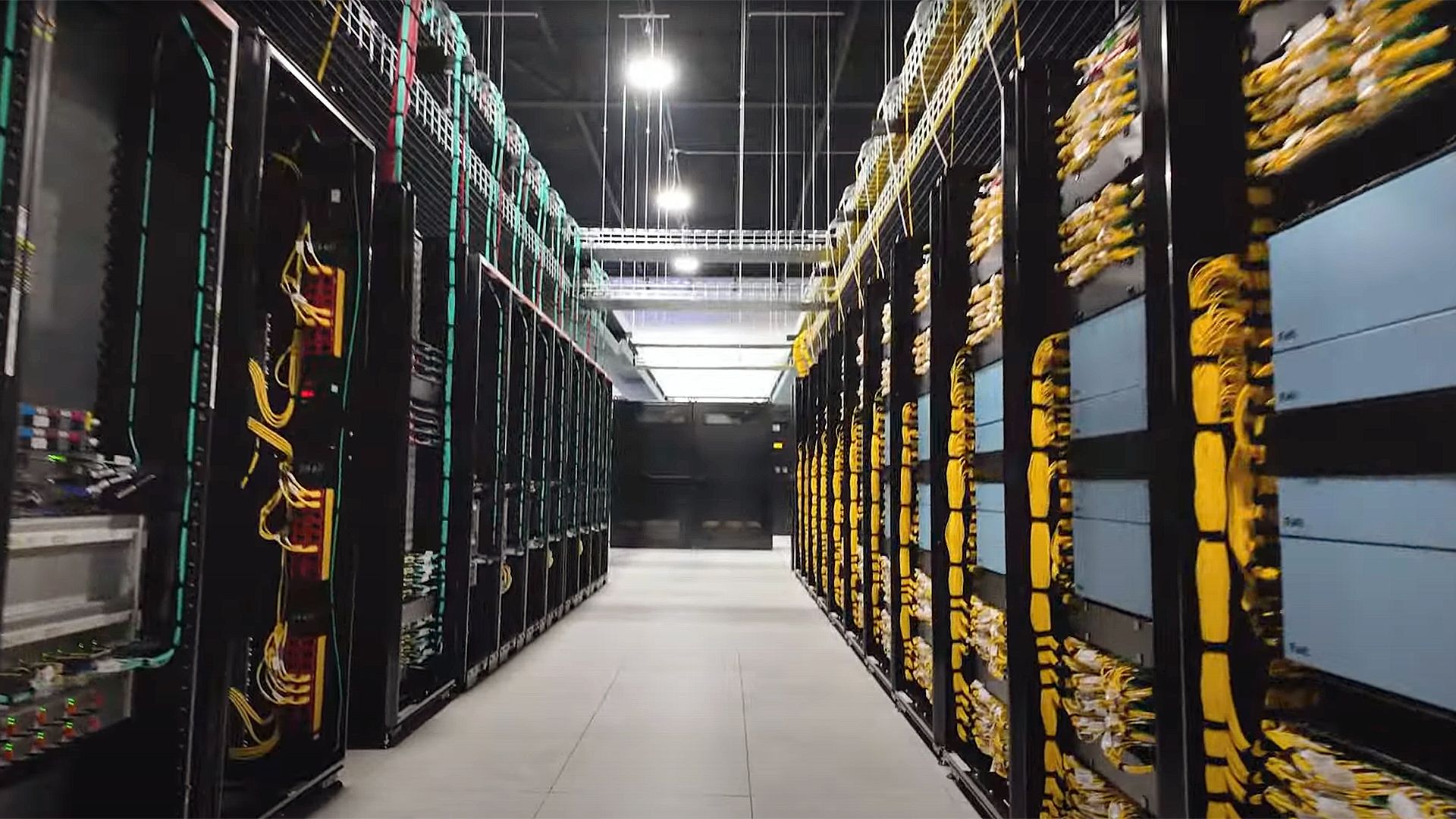
Imagine AI as a super-powered brain that needs a massive gym to train and stay fit. That gym is a data center—a giant warehouse full of computers crunching numbers non-stop. OpenAI, the company behind ChatGPT, teamed up with Oracle (a big cloud computing firm) and Crusoe (the site operator) for "Stargate," one of the largest AI data center projects ever announced. It was hyped at the White House last year as a game-changer for building the next generation of AI.
The main action is at a 1,000-acre campus in Abilene, Texas. Right now, it's got about 1.2 GW of power capacity—picture that as the output of a full nuclear reactor, enough electricity to power hundreds of thousands of homes during peak times. They were negotiating since mid-2025 to double it to 2.0 GW by adding more facilities. Oracle has been packing the place with Nvidia servers, which OpenAI uses to "train" (teach) and "deploy" (run) its AI models—like prepping a chef with endless practice runs before opening a restaurant.
But talks broke down. Why? Financing terms got too tricky—nobody could agree on who pays what. OpenAI kept shifting its "capacity projections," basically changing its mind on how much power and space it'd need down the road. Locals weren't thrilled either, pushing back on plans that might rely on coal or gas generators for all that juice (no nuclear mentioned). On top of that, reliability issues hit hard: earlier this year, winter weather messed up the liquid-cooling systems (fancy plumbing to keep hot servers from melting), taking several buildings offline for days.
Relations soured between Oracle, Crusoe, and OpenAI. Crusoe started shopping the extra space around. Enter Nvidia—they didn't want their pricey hardware sitting idle (especially versus rival AMD systems), so they gave Crusoe a $150 million deposit and helped line up Meta (Facebook's parent) as a new tenant. Meta hasn't confirmed yet, but it's interested in the unused expansion capacity. The existing 1.2 GW site keeps developing, with multiple facilities already running, and Oracle's broader 4.5 GW deal with OpenAI (across other spots, like near Detroit) is still on.
This isn't the first Stargate hiccup—past reports mention squabbles over who owns or controls these sites, involving players like SoftBank. It's like a big family project where cousins keep arguing over the deed to grandma's farm.
Why should you care?
Data centers like this are the unsung heroes (or power-hungry villains) behind every AI chat, image generator, or smart assistant you use. Without enough of them, AI can't "work out" to get smarter, faster, or handle more users. This cancellation signals growing pains in the AI boom: companies are racing to build these behemoths, but money fights, weather woes, and local pushback are slowing them down.
For everyday folks, it matters because AI is sneaking into your life everywhere—autofill in emails, photo edits on your phone, even doctors using it for diagnoses. If OpenAI can't scale Stargate as planned, their AI (like future ChatGPT versions) might improve slower than promised. That means your apps stay dumber longer, or you hit "servers busy" messages more often during peak hours. Power demands are insane—one GW equals a nuclear plant's output—so these delays squeeze energy grids, potentially raising your electric bill indirectly as utilities scramble. Meta jumping in? Good for them, but it fragments the race, possibly letting rivals like Google or Anthropic pull ahead.
It's not all doom—sites like Abilene are still humming at 1.2 GW, and other projects continue. But this shows AI's "gold rush" has real-world roadblocks, affecting how quickly and affordably super-smart tech reaches your pocket.
What changes for you
Practically speaking, don't expect ChatGPT to vanish tomorrow—the current setup keeps OpenAI's partnership with Oracle intact for 4.5 GW total capacity elsewhere. But here's the ripple effects:
-
Slower AI upgrades: Training big AI models needs massive compute power. With Stargate's expansion canned, OpenAI might delay releasing beefier versions of their tools. You won't get that ultra-smart personal assistant or flawless image generator as fast—think waiting an extra few months for your phone's AI camera to "see" better in low light.
-
Possible price bumps: More demand chasing limited data center space means higher costs for companies like OpenAI. They might pass that on: ChatGPT Plus (around $20/month now) could creep up, or free tiers get more limits/ads. Meta grabbing capacity? Their AI (in Facebook, Instagram, WhatsApp) might speed up, giving you slicker features there sooner.
-
App reliability: Reliability issues like the cooling failures highlight vulnerabilities. Extreme weather could cause more outages, meaning your AI-powered banking app or navigation glitches during storms.
-
Energy and environment: These centers guzzle power—2.0 GW expansion dodged local opposition to fossil fuels, but delays mean leaning on dirtier backups elsewhere. Your power rates might tick up 5-10% over years as grids strain (based on similar buildouts). On the flip side, Nvidia's involvement ensures more efficient Nvidia chips get deployed, potentially making AI greener long-term.
-
Competitive shifts: Meta's interest (nudged by Nvidia's $150M) could balance things—Facebook AI gets a boost, so Reels edits or ad targeting improve. But if OpenAI lags, you might switch to Meta's Llama models or others for free, smarter tools.
No immediate app changes today, but watch for OpenAI announcements on delays. If you're a heavy AI user (e.g., for work summaries or creative fun), bookmark alternatives like Meta AI.
The bottom line
OpenAI's Stargate expansion flop in Abilene isn't the end of their AI dreams—the site's at 1.2 GW and running, with 4.5 GW more planned elsewhere—but it's a wake-up call that building tomorrow's AI isn't as smooth as hype suggests. Fights over cash, flaky forecasts, and real-world glitches like frozen pipes are hitting the brakes, potentially slowing how fast tools like ChatGPT evolve for you. Meta might snag the scraps, keeping the site useful, but for regular people, expect slightly delayed AI magic in apps, possible minor cost creeps, and reminders that this tech gold rush strains power grids everywhere. The takeaway? AI's getting smarter daily, but growing pains mean patience—diversify your AI apps (try Meta's too) and keep an eye on energy bills. It's still early days; these bumps make the tech tougher in the end.
(Word count: 1,248)