
The short version
Oracle and OpenAI scrapped plans to expand their massive AI data center campus in Abilene, Texas, from 1.2 gigawatts to 2 gigawatts due to financing snags, winter weather damage, and delays in power readiness. The existing site—with two buildings already running AI workloads on Nvidia's top GPUs and six more coming by mid-2026—stays on track, as does their bigger 4.5-gigawatt deal across multiple locations. This shift means OpenAI is prioritizing newer, cheaper AI hardware elsewhere, which could make tools like ChatGPT smarter and less expensive for everyday users like you.
What happened
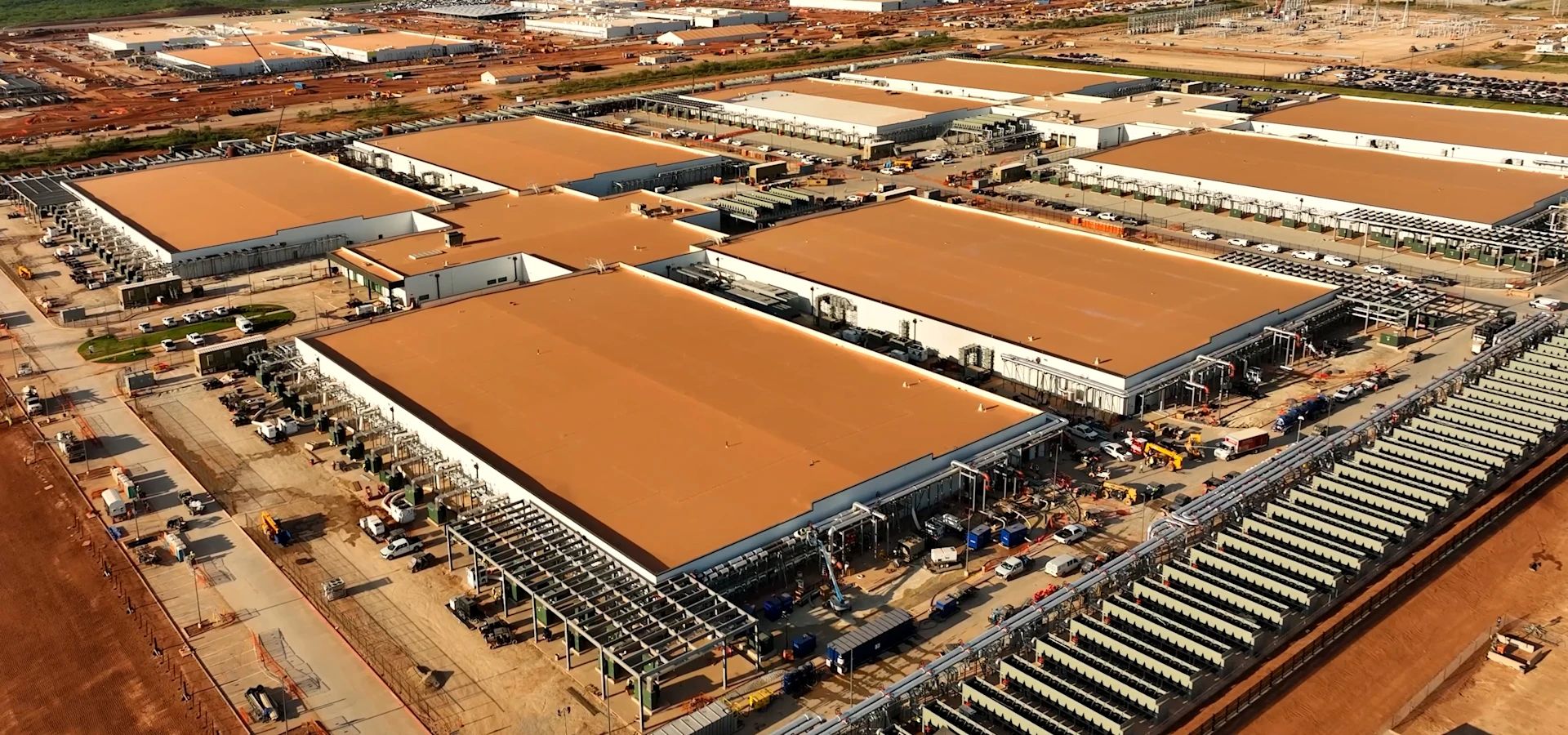
Imagine building a giant warehouse full of supercomputers to power AI like ChatGPT—think of it as the "brain gym" where these AIs lift weights (train) and flex (answer your questions). Oracle and OpenAI are partners in a huge project called Stargate, starting with a 1,000-acre campus in Abilene, Texas, developed by Crusoe on Lancium's Clean Campus. This site has eight buildings designed to handle a total of about 1.2 gigawatts of power—enough electricity to light up a small city and run racks of Nvidia GB200 Blackwell GPUs for AI training and everyday use (what the industry calls "inference," or answering queries in real time).
Two of those buildings are already operational, crunching AI tasks right now. The other six are set to finish by mid-2026. But here's where the plot twists: They had a separate expansion lease in the works to add 600 megawatts more, pushing toward 2 gigawatts total at Abilene. That got dropped earlier this month after talks fell apart over money, a winter storm knocked out liquid-cooling systems (fancy plumbing that keeps the hot GPUs from melting), and the local power grid won't be ready for about a year.
News outlets like Bloomberg and Reuters called it "canceled," sparking confusion. Oracle fired back on X (formerly Twitter), saying reports were "false and incorrect," emphasizing the main 1.2GW campus is fine and they've locked in leases for the full 4.5-gigawatt commitment to OpenAI across the U.S., including a new site near Detroit. OpenAI's compute boss, Sachin Katti, confirmed they considered the expansion but redirected capacity elsewhere. A fake LinkedIn post from a supposed OpenAI employee added fuel to the fire, but it was debunked.
The real killer? Timing with Nvidia's GPU roadmap. The expansion would've used current Blackwell GPUs, but by the time power's ready (around mid-2027), Nvidia's next-gen Vera Rubin chips will be out—shipping in the second half of 2026. Rubin promises about 10 times lower cost per "token" (think of tokens as the building blocks of AI responses, like words or word chunks), 5 times better performance for inference, and needing 4 times fewer GPUs for specialized training called mixture-of-experts. OpenAI and Nvidia inked a letter of intent in September 2025 for at least 10 gigawatts of Rubin systems. Why build outdated hardware now when newer stuff is cheaper and better soon? Nvidia's generations are speeding up: Rubin, then an "Ultra" variant in 2027, and secretive "Feynman" in 2028—details at GTC 2026.
Enter competitors: Meta is eyeing the scrapped Abilene expansion space from Crusoe, with Nvidia even chipping in a $150 million deposit to lure them. Oracle's shouldering over $100 billion in debt for Stargate, with negative free cash flow, showing the high-stakes money race behind AI.
Why should you care?
These data centers are the unsung heroes (or power hogs) making AI like ChatGPT, image generators, or voice assistants possible. Without enough "brain space," AI gets slower, more expensive, or dumber—directly hitting your pocket and experience. Scrapping this expansion but keeping the big 4.5GW plan means OpenAI won't waste money on yesterday's tech, potentially passing savings to you via cheaper subscriptions or faster responses. If power delays and GPU leaps keep happening, it could slow overall AI growth, making premium features pricier or less available. On the flip side, redirecting to Rubin could supercharge tools you use daily, like better search, writing help, or creative apps.
What changes for you
For regular folks, not much immediate disruption—ChatGPT and similar OpenAI tools keep humming on existing setups. But long-term:
- Faster, cheaper AI: Shifting to Rubin (10x lower cost per token, 5x inference speed, 4x fewer GPUs for training) means OpenAI can handle more users without hiking prices. Your $20/month ChatGPT Plus might deliver snappier answers or new features sooner.
- No app changes needed: Tools like Microsoft Copilot (powered by OpenAI) or apps using their APIs stay the same; this is backend shuffling.
- Potential cost ripple: Oracle's $100B+ debt and negative cash flow could mean broader industry price pressures if financing tightens, but OpenAI's 4.5GW (plus 10GW Rubin) scale suggests they'll keep innovating.
- Competitor wins: Meta grabbing Abilene space might boost their AI (like Llama models), giving you free alternatives to OpenAI.
- Energy impact: These gigawatt-scale sites guzzle power like small countries—1.2GW at Abilene alone. Delays highlight grid strains, possibly leading to higher electricity bills indirectly or greener pushes (Abilene's "Clean Campus"). By mid-2026, with full Abilene online and Rubin rolling, expect AI to feel more capable in your phone or browser—no waiting lists or lag during peak hours.
Frequently Asked Questions
### Is the main OpenAI-Oracle data center project canceled?
No, the core Abilene campus (1.2 gigawatts across eight buildings) is unaffected—two buildings are live with Nvidia GB200 Blackwell racks for training and inference, six more by mid-2026. The dropped part was just a 600MW expansion lease to hit 2GW there. Their broader 4.5GW agreement across U.S. sites, including near Detroit, is fully on track with leasing completed.
### Why did they scrap the expansion—will it delay ChatGPT?
Financing talks failed, winter weather broke liquid-cooling gear, and power won't be ready for a year—right when Nvidia's superior Rubin GPUs launch (H2 2026: 10x cheaper per token, 5x faster inference, 4x fewer GPUs needed). OpenAI redirected to newer tech elsewhere instead of building outdated Blackwell capacity. No short-term ChatGPT delays; existing setups cover it.
### What are gigawatts and why do they matter for AI?
Gigawatts measure power—like electricity for 1.2 million homes for Abilene's full build. AI "brains" (GPUs) need massive juice to train or answer queries; more gigawatts mean more capacity for smarter, faster AI without crashes. The 4.5GW total ensures OpenAI scales for millions of users like you.
### How does this affect Meta or competitors?
Meta might lease the abandoned Abilene expansion from Crusoe (Nvidia gave $150M deposit to help). This boosts Meta's AI efforts outside Stargate, potentially improving free tools like their Llama models. OpenAI stays ahead with 10GW Rubin commitment, but more players mean better choices and innovation for everyone.
### When will we see benefits from newer GPUs like Rubin?
Rubin ships second half of 2026, with OpenAI's 10GW deployment via Nvidia. Expect cheaper, faster AI by late 2026/early 2027—quicker ChatGPT responses, lower costs, advanced features. Nvidia's roadmap (Ultra 2027, Feynman 2028) means constant upgrades, revealed at GTC 2026.
The bottom line
This isn't a crisis—it's smart pivoting in the breakneck AI race. Oracle and OpenAI ditched a lagging 600MW Abilene add-on to chase Nvidia's game-changing Rubin GPUs (10x cost savings, massive speedups), keeping their 1.2GW site humming and 4.5GW empire expanding. For you, it means AI tools get better without the bloat: faster chats, creative boosts, and possibly lower prices as efficiencies kick in by 2026-2027. Watch for Meta's play and GTC news—the real winners are everyday users getting powerhouse AI without the drama. No action needed; just enjoy the upgrades coming your way.
(Word count: 1,248)