
The short version
Niantic Spatial, a company spun out from the makers of Pokémon Go, is using billions of photos taken by players chasing virtual Pokémon to create super-accurate maps that pinpoint locations within a few centimeters. This "world model" helps robots—like those delivering pizza or groceries—navigate city streets precisely, even where GPS fails in tall buildings or underpasses. For you, it means faster, more reliable deliveries without mix-ups, and it could expand to better navigation on your phone or in AR glasses.
What happened
Imagine you're playing Pokémon Go, pointing your phone at a park bench or city corner to catch a Pikachu. Every time you do that, your phone snaps a photo and tags it with exact details like where you were standing, which way you were facing, and even how fast you were moving. Niantic, the company behind the 2016 hit game that got 500 million people outside in just 60 days, collected billions of these images—30 billion, to be exact—from hotspots like battle arenas worldwide.
Fast-forward to now: Niantic spun out a new company called Niantic Spatial, which turned this massive player-generated photo album into a "large geospatial model." Think of it like training a super-smart dog to recognize every street corner by looking at pictures instead of sniffing poles. The result? A visual positioning system (VPS) that lets devices figure out exactly where they are—just a few centimeters accurate—by glancing at nearby buildings or landmarks. No more guessing.
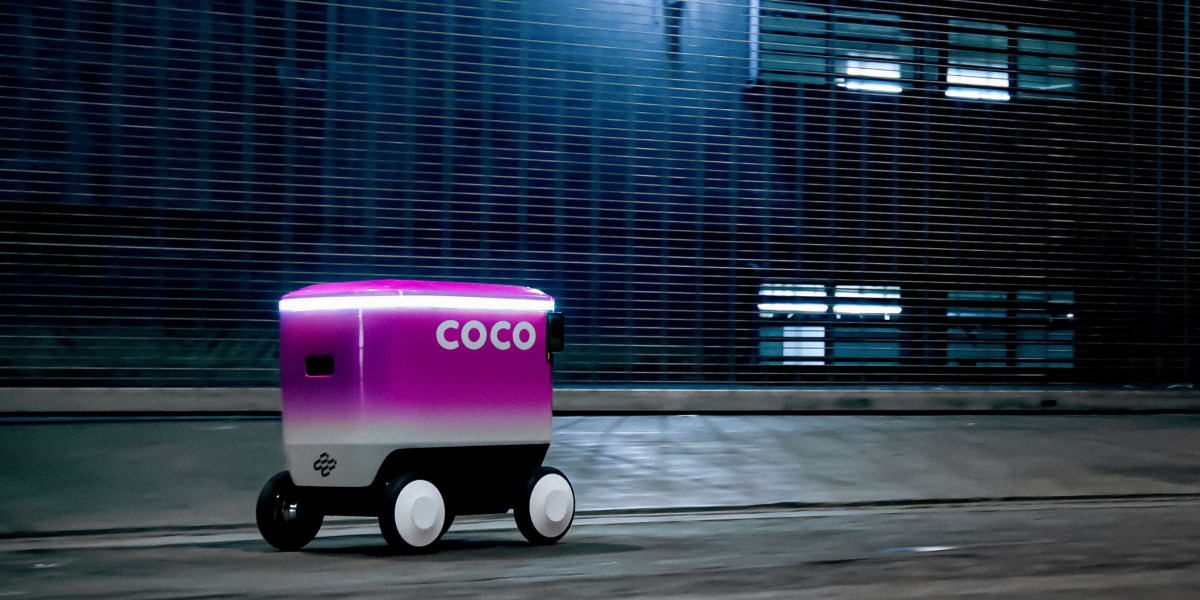
In their first big real-world test, Niantic Spatial teamed up with Coco Robotics, a startup with 1,000 pizza-and-grocery-hauling bots rolling through cities like Los Angeles, Chicago, Miami, Jersey City, and Helsinki. These suitcase-sized robots have already done over half a million deliveries, covering millions of miles. But cities are tricky: GPS signals bounce off skyscrapers like echoes in a canyon, making your phone's blue dot "wander" up to 50 meters—enough to put you on the wrong block. Niantic's tech fixes that by letting robots "see" their way around, just like Pokémon players did.
It's a pivot from gaming: Niantic sold Pokémon Go to Scopely (still 100 million players in 2024), and now they're betting big on robots and AR as the real future. As Niantic Spatial's CEO John Hanke put it, making Pikachu scamper realistically and robots deliver pizza safely is "the same problem."
Why should you care?
This isn't just nerdy tech—it's about making your daily life smoother. Delivery robots could beat human couriers at being on time, meaning your pizza arrives hot instead of cold and late. No more "sorry, wrong address" excuses in dense neighborhoods where GPS glitches. And it's bigger than food: think grocery runs, packages, or even medical supplies zipping to your door reliably.
For everyday folks, reliable robots mean cheaper, greener deliveries—no idling cars burning gas in traffic. If this scales, your phone's maps get pinpoint accurate too, helping you avoid wrong turns or find that hidden café. Plus, it's powered by crowdsourced data from games you already love, showing how your fun hunts are quietly building a better-mapped world.
What changes for you
Practically speaking, expect delivery apps like DoorDash or Uber Eats to integrate this tech soon, promising "exact arrival times" even in urban jungles. Coco's robots already trundle at 5 mph on sidewalks, carrying up to eight extra-large pizzas or four grocery bags—now with fewer lost detours.
Your Pokémon Go habit? It unknowingly helped train this, but the game keeps running under new owners. Looking ahead, this could power AR glasses for hands-free navigation (like seeing directions overlaid on the street) or self-driving cars that don't freak out in tunnels. Costs might drop as robots handle more "last-mile" trips efficiently, saving you pennies per order. No app changes needed yet—just better service showing up at your door.
Frequently Asked Questions
### Is this tech available for my phone or apps right now?
Not yet for consumers, but Niantic Spatial's VPS is already in testing with Coco Robotics for deliveries. It's designed for robots first, but the company plans to offer it to other devices like phones or AR glasses, potentially improving maps in apps like Google Maps or Apple Maps where GPS is spotty.
### Did Pokémon Go players know their photos were being used like this?
Players agreed to terms allowing location and image data collection for the game, but the scale for building this AI world model wasn't highlighted until now. It's all anonymized and used for mapping, similar to how Waze uses your drives to update traffic—your hunts helped create accurate urban maps without identifying you personally.
### How accurate is it really, and does it work everywhere?
Niantic claims a few centimeters accuracy using just a handful of photos of landmarks, trained on 30 billion images from over a million global hotspots. It shines in cities with "urban canyons," but coverage is strongest around Pokémon Go hotspots like parks and arenas—not every back alley yet.
### Will delivery robots replace human couriers soon?
Not fully—Coco's bots handle last-mile sidewalk trips to compete on reliability, but humans still manage pickups and complex spots. This tech makes robots more predictable (e.g., arriving exactly on time), which could mean more bot options in your delivery apps, potentially lowering prices through efficiency.
### What about privacy— is my data safe?
The images are stripped of personal info, focusing on locations, angles, and conditions. Niantic Spatial emphasizes it's for navigation smarts, not tracking individuals, much like how mapping apps use crowd data. No confirmed privacy issues in the reports, but always check app permissions.
The bottom line
Pokémon Go turned millions of players into accidental mapmakers, and now Niantic Spatial is cashing in by supercharging delivery robots to navigate like pros—down to centimeters—where GPS flops. For you, this means on-time pizzas, groceries, and packages without the frustration of lost bots or drifting maps, paving the way for cheaper, greener deliveries and smarter city tech. Play your games; the world just got a precision upgrade from your Poké Balls.
Sources
- MIT Technology Review: How Pokémon Go is giving delivery robots an inch-perfect view of the world
- Live Science: Gotta Catch 'Em All: How Pokémon Go covertly captured your data for years to train a massive AI model
- 404 Media: Pokémon Go Players Have Unwittingly Trained AI to Navigate the World
- Forbes: Pokemon Go Made Niantic Billions. Now It’s Ditching Gaming For AI.
- IGN: Pokémon Go Players Have Been Training an AI to Auto-Complete the Real World