
The short version
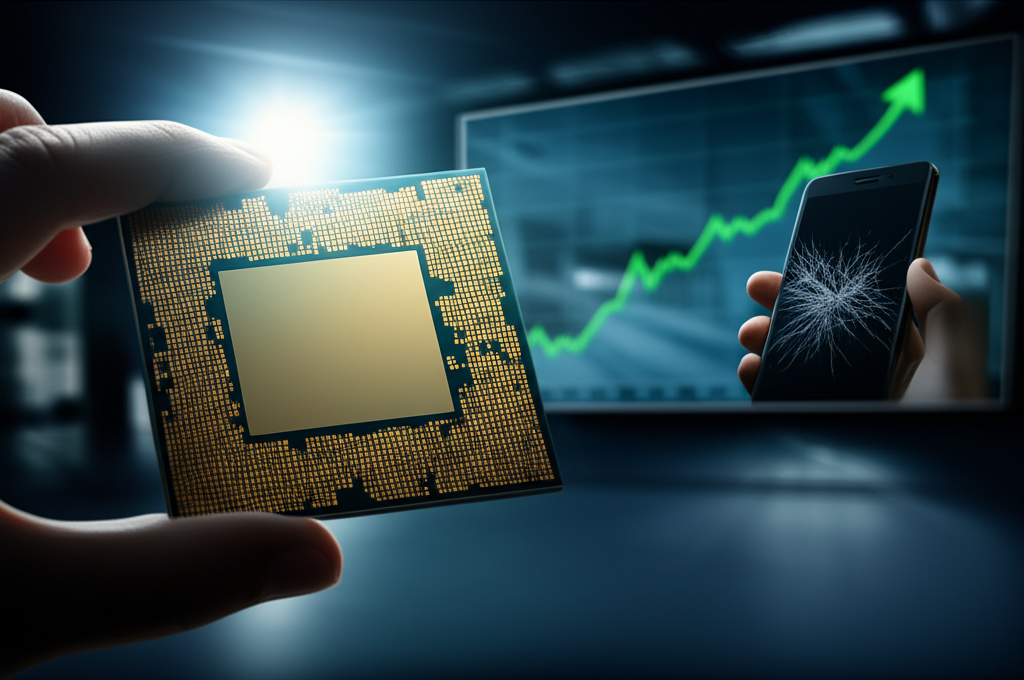
TSMC, the world's top chipmaker that builds the brains for AI tech like Nvidia's graphics cards, saw its sales soar 30% in early 2026 thanks to huge demand for AI hardware. But a shortage of memory chips—key parts for storing data in phones and computers—is slowing sales of high-end smartphones and PCs, even as AI keeps the company growing. For you, this means AI tools might get smarter and faster soon, but your next phone upgrade could cost more or have fewer fancy features due to the chip squeeze.
What happened
Imagine TSMC as the giant factory that makes the tiny computer chips powering everything from your smartphone's camera to the massive servers running ChatGPT. They're like the behind-the-scenes chef cooking up the ingredients for tech giants like Nvidia, AMD, and Broadcom—companies racing to build AI supercomputers.
In early 2026, TSMC's sales jumped 30% compared to last year, fueled by non-stop global hunger for AI hardware. Think of it as everyone suddenly wanting the hottest new kitchen gadget, so the chef's orders explode. They're forecasting nearly 30% revenue growth for the full year, and they've even bumped up predictions for 2025 to the mid-30% range because AI adoption is exploding—people and businesses want more computing power for smarter AI models.
But here's the catch: sky-high prices and shortages for memory chips (like the RAM in your laptop that holds temporary data, similar to short-term memory in your brain) are hurting demand for premium smartphones and PCs. Even fancy devices aren't selling as fast as hoped. Geopolitical tensions, like the US and Israel's strike on Iran, are also making companies nervous about building huge AI data centers, which could slow things down further. Still, TSMC calls AI demand "insatiable," meaning it's like an endless appetite that's keeping their profits surging—up 39% in recent quarters.
No jargon here: chips are the microscopic circuits that make devices "smart." TSMC doesn't design them; they just manufacture them perfectly at scale, which is why they're the go-to for AI leaders.
Why should you care?
This isn't just boring business news—it's a peek into why your everyday tech feels the way it does. AI is transforming your life: it powers photo editing on your phone, recommends Netflix shows, and even helps doctors spot diseases faster. TSMC's boom means more powerful AI chips are coming, so tools like voice assistants or self-driving car tech could get way smarter and quicker.
But the memory crunch? That's hitting closer to home. High-end phones (think iPhone Pro models) and gaming laptops rely on those chips. Shortages mean companies might cut features, raise prices, or delay launches—directly affecting what you pay and what you get. If AI data centers slow due to world events, your cloud-based AI apps (like generating images or writing emails) might not improve as fast. On the flip side, TSMC's strength signals the AI "megatrend" is real and growing, which could lead to cheaper, better gadgets long-term as production ramps up.
What changes for you
Practically speaking, keep an eye on your next tech buy:
- Phone and laptop prices: Expect high-end models to cost more (maybe $100-200 extra) or stick with last-gen specs because memory shortages are sapping demand. Budget options might not feel the pinch as much.
- AI features in apps: Your phone's AI camera or PC's Copilot-like helper could get upgrades sooner, thanks to TSMC's AI chip surge—faster photo edits, better voice recognition, without draining battery as much.
- Everyday speed: Streaming, gaming, and video calls might improve as AI hardware floods in, but if data center builds stutter from global drama, cloud AI (like Google Gemini) could lag during peak times.
- Longer waits: New gadgets might launch later in 2026, so if you're shopping, consider mid-range now. No immediate panic—TSMC's still crushing it overall—but this is why your upgrade cycle feels pricey lately.
Frequently Asked Questions
### Why is TSMC such a big deal for AI?
TSMC makes the advanced chips that power AI from companies like Nvidia, which build the hardware for tools you use daily. Their sales jumping 30% shows AI demand is real and growing, meaning better AI in your apps, but shortages elsewhere could slow phone upgrades.
### Will my phone or computer get more expensive?
Yes, likely for premium models—memory chip crunches are driving up costs and hurting sales of high-end smartphones and PCs. You might pay more for top features or see delays, but everyday devices should stay affordable.
### How does this affect AI tools I use, like ChatGPT?
Strong TSMC growth means more AI chips for faster, smarter systems—your AI image generators or assistants could improve. But if data center builds slow from global events, cloud AI might not speed up as quickly.
### Is the AI boom slowing down?
Not at all—TSMC calls demand "insatiable" and raised forecasts to 30%+ growth. Memory issues are a hiccup for consumer gadgets, but AI hardware is the star, strengthening the long-term trend.
### When will I see cheaper or better gadgets from this?
Short-term (2026): Possible price hikes on high-end stuff. Long-term: As TSMC scales AI production, expect faster AI features and eventually lower costs for everyone by 2027+.
The bottom line
TSMC's 30% sales leap proves AI is the hottest trend in tech, pumping out chips that make your digital life smarter—from phone cameras to Netflix picks. But memory shortages mean pricier or feature-light smartphones and PCs right now, so time your upgrades wisely and enjoy the incoming AI perks. This matters because it shapes what tech costs and delivers to you—watch for falling memory prices to unlock the full boom.
Sources
(Word count: 812)