
The short version
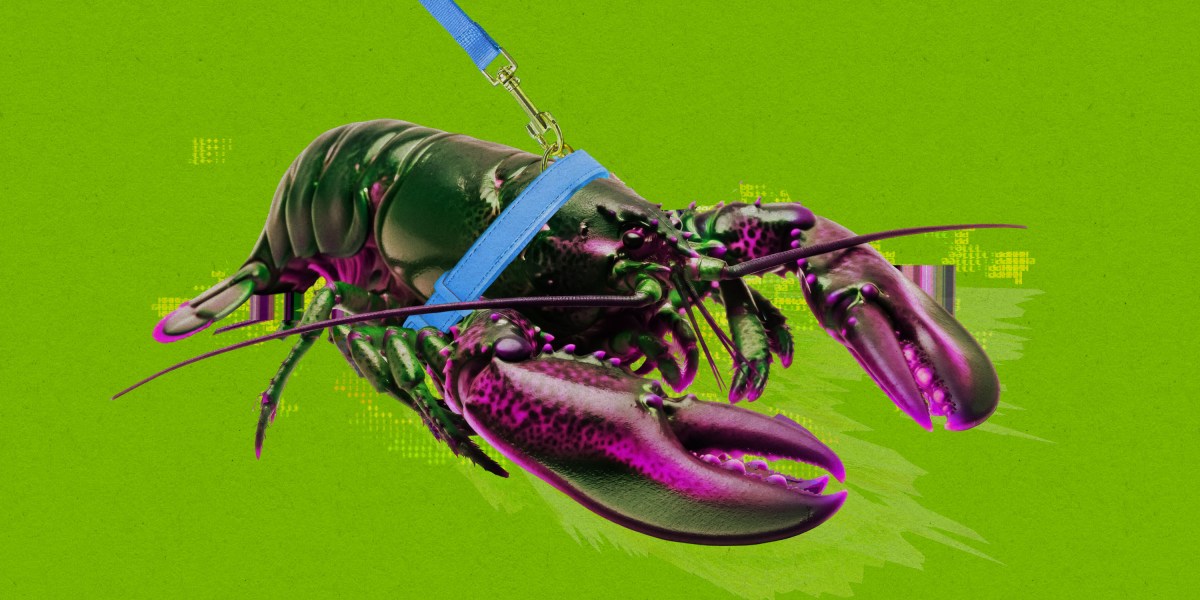
OpenClaw is a popular new open-source AI tool from China—nicknamed "lobster" for its logo—that acts like a smart robot assistant, taking over your computer or device to handle tasks on its own. It's exploding in popularity among regular folks like lawyers, doctors, kids, and even grandparents, sparking a mini gold rush where tech-savvy people charge $34 a pop to install it for non-techies. This frenzy is boosting big companies like Tencent and Zhipu, driving up their stock prices by 20%, and even getting local governments to hand out free computing perks—but it comes with real privacy risks if not set up right.
What happened
Imagine an AI sidekick that doesn't just answer questions—it logs into your apps, books your appointments, shops online, or organizes your files, all without you lifting a finger. That's OpenClaw, a free, open-source tool that's gone viral in China faster than a cat video. It started as a playground for programmers in January, but now everyone's talking about "raising a lobster." Tech whizzes like 27-year-old Feng Qingyang saw the hype and turned it into cash: he quit his job, hired 100 people, and has installed it for 7,000 customers at about $34 each. No coding needed from the buyer—just pay, and it's ready in 30 minutes via remote help.
Events are popping up everywhere, like packed meetups in Shenzhen with 1,000 shoulder-to-shoulder fans, influencers demoing it live to 20,000 viewers, and even 77-year-old grandparents begging their kids to set one up. Big players are jumping in: Tencent threw a free install party with lines of excited elders and kids, while Zhipu launched compatible tools. Local governments in places like Shenzhen and Wuxi are fueling the fire with cash rewards and free cloud computing for OpenClaw projects. Hardware's flying off shelves too—budget laptops and Mac Minis sold out as people buy dedicated machines to run it smoothly. Chinese tech stocks surged 20%, outpacing the market, because everyone sees dollar signs in this "lobster craze."
But here's the catch: Setting it up means typing commands in a scary black screen (like a command prompt from old movies), picking the right hardware, and walling off your personal data. Mess it up, and hackers could steal your info—think of it like giving a stranger the keys to your house.
Why should you care?
This isn't just a China thing—it's a sneak peek at how AI agents like OpenClaw could soon handle your daily grind, saving hours on boring tasks. For everyday people, it means AI isn't locked in chat apps anymore; it's invading your desktop like a helpful butler. But the hustle shows a gap: tech skills are gold right now, and if you're not handy, you're paying up. Privacy worries hit home—if your "lobster" sees your emails or bank apps, one wrong setup and your data's at risk. Globally, it signals open-source AI is beating hype from big U.S. firms, pushing companies like Tencent to innovate faster, which could mean cheaper, smarter tools trickling worldwide.
What changes for you
Right now, this is mostly buzzing in China, but it could reshape your routine soon. Want an AI to auto-reply emails, book doctor visits, or hunt deals? Tools like this make it real. If you're non-techy, expect services popping up globally—maybe $30-50 for setup, or pre-loaded laptops costing extra (like the sold-out Mac Minis hitting 10,000 RMB or ~$1,400 setups). Your apps won't change yet, but companies might add "OpenClaw-compatible" buttons, making AI agents plug-and-play. Costs could drop as hype grows, but watch for scams or data leaks—always use a separate device. For workers, it means less grunt work; for families, easier help for parents or kids. Stocks jumping shows investors bet big, so your retirement funds tied to tech (like Tencent) might benefit.
Frequently Asked Questions
### What exactly is OpenClaw and what can it do?
OpenClaw is a free, open-source AI agent—like a virtual robot—that controls your computer to do real tasks autonomously, such as browsing websites, filling forms, or managing schedules. It's nicknamed "lobster" in China due to its logo and has hooked everyone from programmers to grandparents because it's hands-off once running. Think of it as upgrading from a voice assistant like Siri to a full desk worker that clicks and types for you.
### Is OpenClaw safe to use? What are the risks?
It's powerful but risky if not installed right—your privacy could leak if it accesses personal files, emails, or apps without barriers, inviting hackers or data theft. Experts recommend a separate device (not your main laptop) and careful setup to partition data, like putting the AI in its own room. Services from pros like Feng help minimize this, but always vet providers.
### How much does it cost and how do I get it?
OpenClaw itself is free as open-source software, but setup services run about $34 per install in China, with hardware like laptops adding $300-1,400 for smooth running. Download it yourself if techy, or pay remote helpers—no coding needed. Big firms like Tencent offer free events now, but expect paid options as it spreads.
### Is this only in China, or will it come to the US/Europe?
It's exploding in China with government backing and company tie-ins, but as open-source, anyone worldwide can download and use it today. No US/EU versions mentioned yet, but the hype could inspire similar tools globally—watch for copycats from OpenAI or Google. Stocks of Chinese firms like Tencent are rising, hinting at international push.
### How is OpenClaw different from ChatGPT or other AI chatbots?
Chatbots like ChatGPT just talk and suggest; OpenClaw acts by controlling your screen, apps, and devices independently—like a personal assistant who logs in and works for you. It's open-source (free to tweak), runs locally on your hardware, and thrives on community add-ons like voice chat or animated trackers, making it more "alive" than text-only rivals.
The bottom line
China's OpenClaw craze proves everyday people crave AI that does stuff, not just chats—turning tinkerers into millionaires, stocks into rockets, and cities into fan hubs, all while waving red flags on privacy. For you, it's a wake-up: AI agents could automate your chores soon, but demand pros for setup to dodge risks. Grab it free if curious (on a spare device!), or wait for safer mainstream versions—either way, this "lobster" fever shows AI's going from gimmick to game-changer, making life easier if you're smart about it.
Sources
- MIT Technology Review
- The News
- Bloomberg: OpenClaw in China
- Bloomberg: China’s OpenClaw-Tied Stocks Rise
- Bloomberg: Tencent, Zhipu Shares Jump
- Digitimes: OpenClaw craze sees Mac minis sold out
(Word count: 912)