
The short version
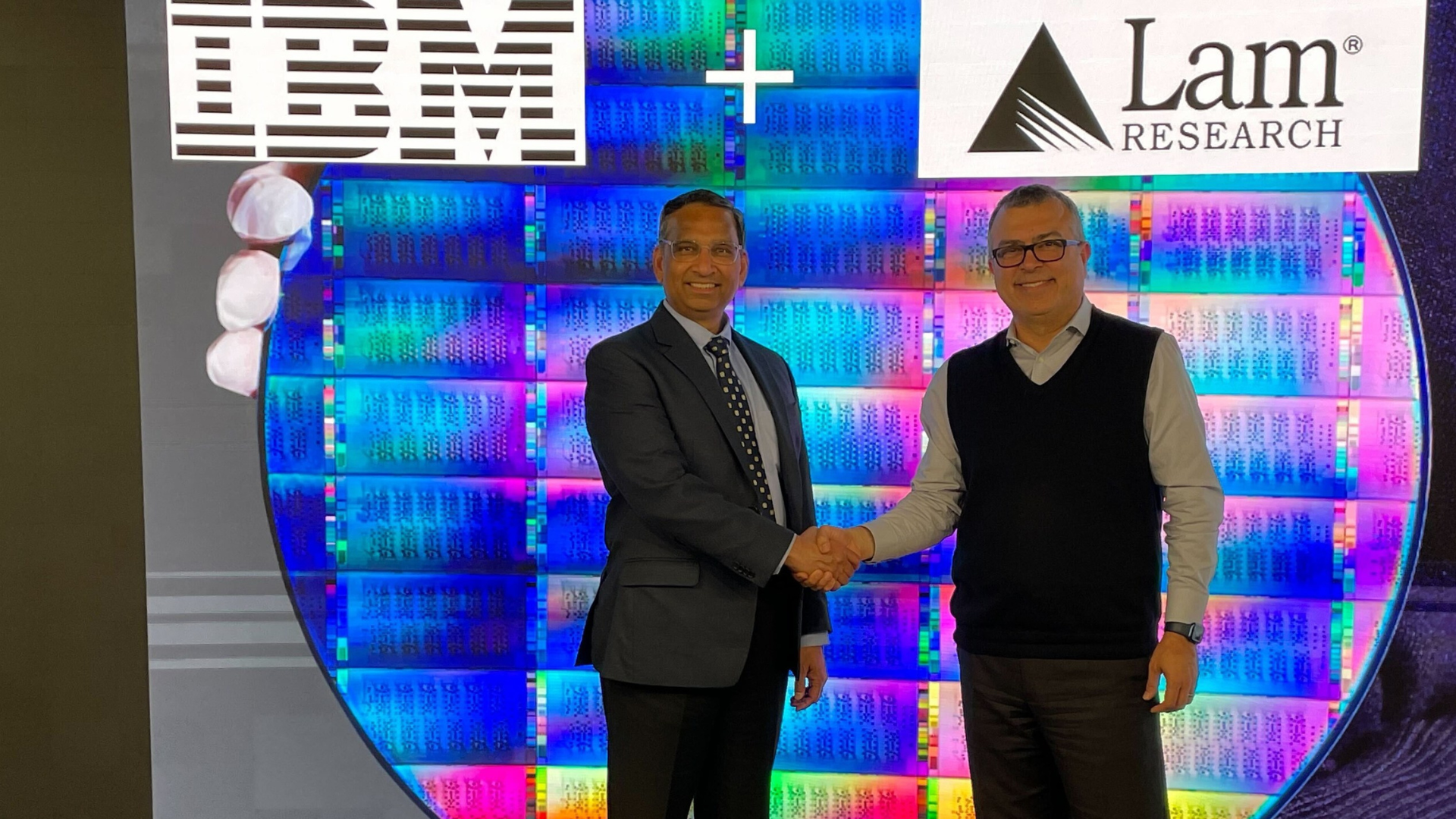
IBM and Lam Research just announced a five-year partnership to develop new tech that lets chipmakers cram even more power into computer chips smaller than 1 nanometer—think transistors tinier than a strand of DNA. They're using a special "dry resist" material and high-powered light tools (High NA EUV lithography) to make this happen at IBM's labs in New York. For you, this means faster, more efficient phones, laptops, and AI tools down the road, without batteries dying as quick or devices getting too hot.
What happened
Imagine trying to fit a million more people into your neighborhood without knocking down houses—you'd need super-precise blueprints and tools to build tiny, stacked apartments. That's basically what's happening with computer chips. Chips are made of billions of tiny switches called transistors that act like the brain's neurons, turning on and off to process data. For years, companies have been shrinking these transistors to pack more power into smaller spaces, like going from a bulky desktop to a slim smartphone.
IBM (a tech giant known for big research) and Lam Research (experts in chip-building machines) have teamed up before—they helped create 7nm and even 2nm chips. Now, they're going smaller than 1nm, which is insanely tiny (a human hair is about 80,000nm wide). The big breakthrough is "High NA EUV lithography," a fancy light-based printing method that etches patterns onto silicon wafers like a super-precise laser printer. Old methods use "wet" chemicals that get messy at these scales, causing errors. Lam's "Aether dry resist" is like a dry-erase marker instead—it's vapor-deposited, absorbs more light, needs less exposure, and cuts steps that could blur the tiny patterns. They'll test this on "nanosheet" transistors (stacked silicon sheets for more power without extra size) and "backside power delivery" (wiring power from the chip's back to free up the front for data).
This five-year project at IBM's Albany NanoTech lab builds on their decade-long teamwork, aiming for reliable, high-yield production. It's not ready yet, but it's a step toward chips that keep getting better for the AI boom.
Why should you care?
Smaller chips mean more computing muscle in everyday gadgets without making them bigger or hungrier for power. Right now, AI like ChatGPT or image generators guzzles energy, making data centers hot and pricey—your electric bill indirectly feels it through higher cloud service costs. These sub-1nm chips could make AI smarter and faster on your phone (no more waiting for cloud processing), laptops that last all day on one charge, and cheaper streaming or gaming because servers run efficiently.
Think of it like car engines: Shrinking transistors is like making engines smaller but more powerful, so your phone handles heavy apps without overheating or draining battery mid-day. For regular folks, this fights "Moore's Law slowdown"—the idea that chip progress was stalling—keeping tech affordable and advancing.
What changes for you
- Faster AI on your devices: Sub-1nm chips could run advanced AI locally, so your phone edits photos or translates languages instantly without internet, saving data and privacy.
- Longer battery life: Efficient transistors mean less power waste—your laptop might go 20 hours instead of 10, perfect for remote work or travel.
- Cheaper gadgets: Higher yields (fewer defective chips) lower production costs, so future iPhones or laptops might cost less or pack more features for the same price.
- Cooler-running tech: No more fan noise on gaming PCs or throttling on phones during video calls—smoother Zoom, Fortnite, or TikTok scrolls.
- Bigger picture for AI era: As AI demand skyrockets (think self-driving cars or personalized medicine), these chips keep pace, making services like Google search or Netflix recommendations quicker and smarter without jacking up your subscription fees.
Nothing changes tomorrow—these chips are years away—but it's progress ensuring your tech doesn't hit a wall.
Frequently Asked Questions
### What is a nanometer, and why does smaller matter?
A nanometer is a billionth of a meter—super tiny, like 1/100,000th the width of a hair. Smaller transistors mean more fit on a chip, boosting speed and efficiency, like upgrading from a single-lane road to a 10-lane highway without expanding the pavement.
### How is Lam's "dry resist" different from old methods?
Old "wet" resists are like painting with sloppy liquid that smears at tiny scales. Dry resist is vapor-applied like fog on a window—cleaner, absorbs more light for sharper prints, fewer steps, and higher success rates, making tiny chips cheaper to produce.
### When will we see these sub-1nm chips in phones or computers?
Not specified in the announcement, but as a five-year project building on past work (like IBM's 2nm chip in 2021), expect prototypes in a few years and consumer devices by late 2020s. It's aimed at production viability, so it could accelerate if tests go well.
### Does this help with AI specifically?
Yes—AI needs massive compute power, and these chips enable "3D scaling" (stacking parts like a skyscraper) for better performance. Your AI apps (like voice assistants or photo editors) could get way faster and use less energy.
### Is this just for big companies, or will it affect my gadgets?
It starts in labs but targets "logic devices" in phones, laptops, and servers. Past collabs led to real products, so yes—your next phone upgrade could benefit from this tech.
The bottom line
IBM and Lam's partnership is a big win for keeping computer chips shrinking and powering up, using smarter "dry" materials to conquer sub-1nm scales. For you, it promises snappier AI, longer-lasting batteries, and tech that stays ahead of exploding demands without breaking the bank. Watch for ripple effects in 3-5 years—it's the kind of behind-the-scenes innovation that makes your daily digital life smoother and cheaper. Exciting times ahead!
Sources
(Word count: 812)