
The short version
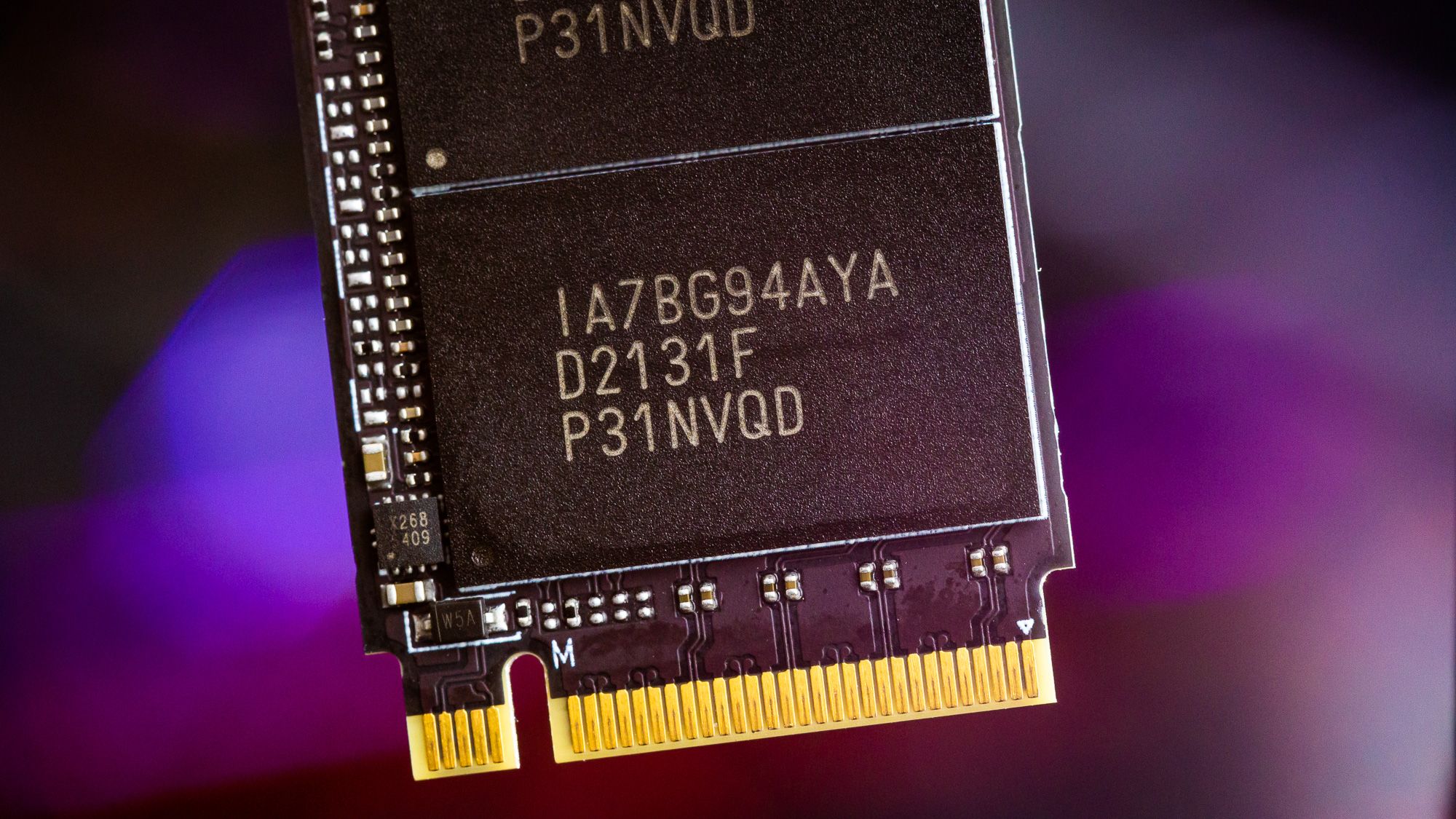
NAND flash is the memory technology inside your phone, SSD hard drive, and most gadgets that stores your photos, apps, and files quickly. Phison, a big maker of these chips, says prices shot up 50% overnight because AI data centers are gobbling up all the supply, creating a massive shortage. This means everyday tech like laptops and phones could get pricier soon, and companies are scrambling with cash shortages and low stockpiles.
What happened
Imagine NAND flash like the filing cabinets in your brain's office—they hold all your digital stuff super fast without moving parts, unlike old-school hard drives that spin like records. Phison CEO Khein-seng Pua just announced that some NAND makers jacked up prices by as much as 50% overnight. Why? A "severe shortage" caused by "insane demand" from AI companies building huge data centers. These AI giants—think cloud service providers (CSPs) and "AI hyperscalers" like the ones powering ChatGPT or image generators—need mountains of these chips to store and process data.
Phison, a Taiwanese semiconductor company, is now shipping directly to these big AI players, with their enterprise SSD (solid-state drive) solutions making up 30% of revenue. To cope, they're asking customers for faster payments—some even upfront—because their own suppliers are doing the same. It's like a game of hot potato with cash and chips: everyone wants priority.
To fight back, Phison signed long-term agreements (LTAs) with six NAND manufacturers and two DRAM suppliers worldwide. These deals focus on securing supply, not cheap prices—they're even negotiating prepaid NAND for priority access. Their inventory ballooned from NT$35.6 billion (about $1.12 billion USD) to NT$50 billion (about $1.57 billion USD) in months, but the CEO still warns: "our current concern is that both money and inventory are insufficient." They're borrowing $400-500 million to keep going, and demand from cloud/enterprise customers is still surging, boosting revenues despite higher costs.
Phison isn't skimping on the future: they're developing PCIe 6.0 samples by August 2026 and working on PCIe 7.0 (faster connections for these chips). Additional context paints a grim picture—every NAND manufacturer says 2026 is sold out, 8GB eMMC modules (used in phones and cars) jumped from $1.50 to $20 last year (a 13x increase), fulfillment rates are under 30%, and things could worsen as AI shifts from training models to "inference" (running them to generate stuff). Phison's CEO calls everyone "memory beggars." No benchmarks or direct competitive comparisons in the sources, but this highlights Phison pivoting to lucrative AI enterprise markets over consumer ones.
Why should you care?
This isn't just techie drama—it's your wallet and gadgets on the line. AI boom means your new phone or laptop might cost more because NAND shortages ripple down. SSDs in PCs could jump in price, slowing upgrades. AI services you use daily (like generating images or chatting with bots) might get smarter and faster long-term from all this investment, but short-term? Delays or price hikes. If companies can't get chips, consumer electronics firms could "shut down," per Phison—think fewer new TVs, cars with fancy infotainment, or even game consoles.
For everyday folks: Storage is everywhere. Your smartphone's quick photo saves? NAND. Gaming PC's lightning-fast load times? NAND-powered SSDs. Even car systems and cheap gadgets use eMMC NAND modules. With prices up 50% overnight and 13x yearly on some parts, and 2026 "sold out," expect higher costs passed to you. Phison's revenue is up from enterprise sales, but they're borrowing hundreds of millions—sign of industry stress.
What changes for you
- Higher prices for tech buys: Next SSD for your PC? Could cost 20-50% more soon. Phones, laptops, TVs—anything with fast storage. Example: That 8GB eMMC module for consumer/car use went from $1.50 to $20; multiply across devices.
- Slower upgrades or shortages: Fulfillment under 30% means delays. Want a new gaming rig? Might wait or pay premium.
- AI gets better, indirectly: More chips to hyperscalers = faster AI tools you use (e.g., better photo editing apps). But if consumer chip supply dries up, your AI-powered phone features lag.
- Payment squeezes trickle down: Companies demanding upfront cash could mean retailers hike prices or limit stock.
- Long-term wins?: Phison's PCIe 6.0 (Aug 2026) and PCIe 7.0 mean future gadgets scream faster, but you'll pay for it amid shortages.
- No free lunch: Phison isn't using cheap old inventory for profits—they're riding high prices, so no discounts coming.
Practically: Check prices now before buying storage-heavy gear. If you're building a PC, stock up on SSDs. For AI fans, services stay reliable as hyperscalers pay premiums, but your personal tech feels the pinch.
Frequently Asked Questions
### What is NAND flash, and why is it suddenly so expensive?
NAND flash is the speedy, durable memory chip in your phone, SSD, and gadgets—think of it as a super-efficient digital filing cabinet. Prices spiked 50% overnight due to AI data centers hoarding supply; even small 8GB modules jumped 13x from $1.50 to $20 last year. This shortage means 2026 is already "sold out" per manufacturers.
### How does this AI demand affect my phone or laptop?
AI companies are buying most NAND for data centers, leaving less for consumer gadgets. Expect SSDs, phones, and laptops to cost more (potentially 20-50% hikes) with possible shortages—your next upgrade might be pricier or delayed. Phison's shift to enterprise sales (30% revenue) worsens consumer supply crunch.
### Will this shortage last, and what's Phison doing about it?
Yes, CEO warns it's worsening into 2026 with "insufficient money and inventory"; they're signing LTAs with 6 NAND and 2 DRAM suppliers, pre-paying for priority, and borrowing $400-500M. Inventory grew to $1.57B USD, but demand outpaces—fulfillment under 30%.
### Is Phison the only company hit, or is this industry-wide?
It's industry-wide—every NAND maker reports 2026 sold out, driven by AI build-out. Phison's pivoting to cloud/AI clients with direct shipments and upfront payments, boosting their revenue but squeezing consumers. Competitors face same "memory beggar" status.
### When will prices drop, and what about future tech like PCIe 6.0?
No timeline—shortages could shut consumer firms; AI inference demand ramps it up. Phison delivers PCIe 6.0 samples by August 2026 (faster chip connections) and works on PCIe 7.0, promising speedier future gadgets if supply stabilizes.
The bottom line
Phison's warning of 50% overnight NAND price hikes and "insufficient money and inventory" spotlights how AI's explosive growth is starving everyday tech of essential chips, driving up costs for your phones, PCs, and more. While AI services you love get a boost from deep-pocketed buyers, regular folks face pricier gadgets, delays, and shortages—stock up now and brace for 20-50% hikes. Long-term, innovations like PCIe 6.0 in 2026 could make tech faster, but only if the industry doesn't implode first. Watch prices closely; this ripple hits your next big purchase.
(Word count: 1,248)