
The short version
New Mexico's $70 billion sovereign wealth fund – basically the state's giant piggy bank from oil riches – is betting big on turning empty desert land into a buzzing hub for futuristic tech like AI data centers, quantum computers, nuclear fusion, defense gadgets, and advanced factories. They're pouring hundreds of millions, including a fresh $185 million slice into quantum startups that set up shop locally, plus matching funds from the U.S. military's DARPA and the state itself for a total $315 million quantum push. This could create jobs and supercharge AI tools you use every day, but it's early days with massive projects like a $165 billion data center complex and OpenAI ties just getting preliminary nods.
What happened
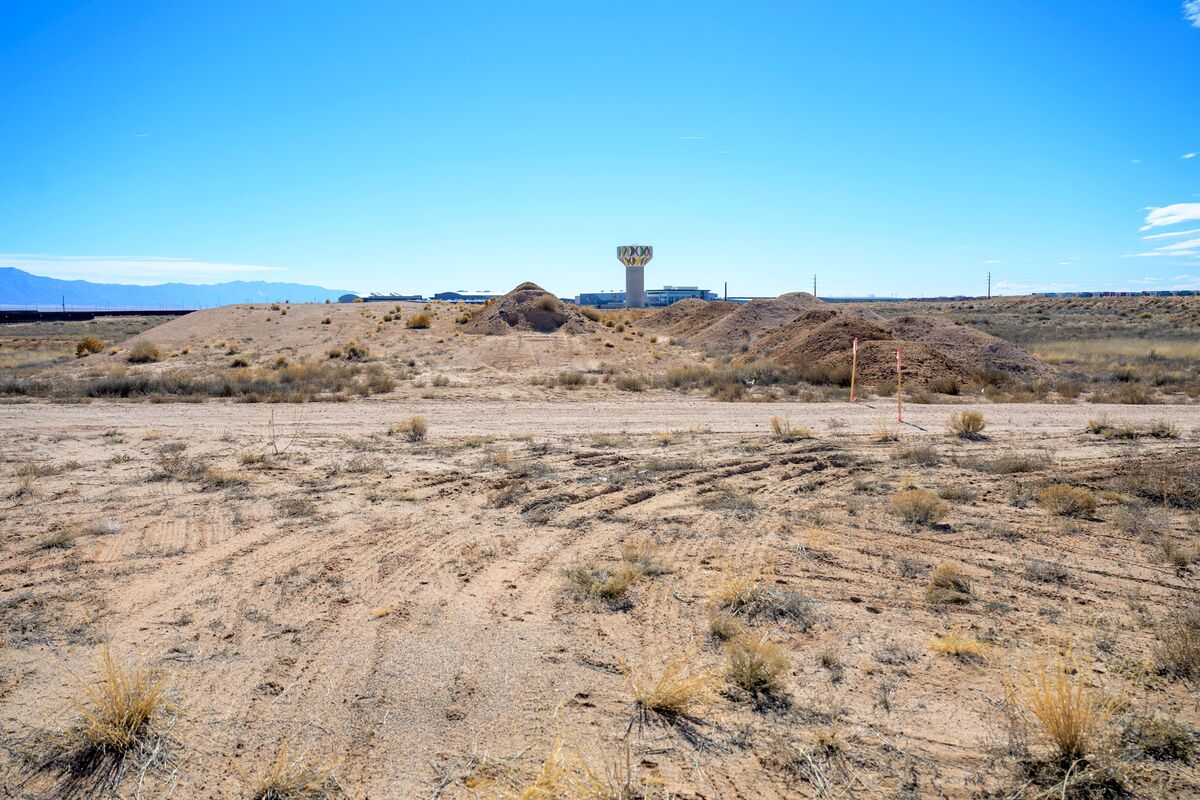
Imagine New Mexico as a sleepy rancher with a massive oil fortune tucked away – that's their $70 billion sovereign wealth fund, built from years of pumping black gold out of the ground. Instead of just sitting on the cash, they're playing venture capitalist, handing it out to startups in hot fields like nuclear fusion (think endless clean energy from smashing atoms), defense tech (smarter weapons and security gear), advanced manufacturing (robot factories making super-precise stuff), quantum computing (computers that solve impossible problems by using quantum weirdness instead of regular bits), and huge AI data centers.
The latest moves? They've committed $185 million from the fund to private investors who'll back quantum companies that plant roots in the state – keeping jobs and ideas local. Add $60 million from DARPA (the Defense Department's mad-science wing) and another $60 million from state coffers, and you've got $315 million aimed at making New Mexico a quantum hotspot. Separately, a whopping $165 billion AI and data center mega-complex in the southern desert just got early approval, with ties to OpenAI's "Stargate" supercomputer plans funded by big players like Blue Owl's $3 billion investment. Reddit buzz calls it a $1.7 billion state transformation bet. It's all about luring brainiacs and builders to the desert, where cheap land, sun for solar power, and cool temps make it perfect for energy-hungry tech.
No jargon needed: Picture the desert like a blank canvas. Data centers are giant warehouses full of computers that power ChatGPT or image generators – they guzzle electricity like a city block of fridges. Quantum tech is the next level, cracking codes or designing drugs in seconds what takes normal computers years. Fusion? Unlimited power without coal or nukes' waste. The fund's saying, "Come build here, and we'll fund you."
Why should you care?
This isn't just some far-off state flexing – it could make your phone's AI smarter, your energy bills lower, and your job options wider. AI data centers like the ones OpenAI wants need insane power and space; New Mexico's desert setup means they can build 'em cheap and green, speeding up the AI boom. Faster AI means better Siri, quicker medical discoveries (like new drugs via quantum sims), or self-driving cars that actually work. Fusion success? Goodbye sky-high electric bills from fossil fuels. Defense tech might mean safer gadgets in your home, like unhackable smart locks.
For everyday folks, it's personal: If you're job-hunting, thousands of high-paying gigs in tech construction, ops, or even support roles could pop up. AI getting a turbo-boost helps apps you love – think free photo editors or writing helpers evolving faster. But watch for risks: These projects need billions and years; if they flop, it's taxpayer-linked money down the drain.
What changes for you
Practically speaking, not much flips tomorrow – these are long-haul bets, with approvals just starting and full builds years out. But here's the ripple:
-
Cheaper, faster AI tools: OpenAI's Stargate data center here means their ChatGPT or image generators train quicker. Your free apps get upgrades sooner – no waiting for slower rivals.
-
Job boom for regular people: Not just PhDs – think construction for the $165B complex (thousands of spots), maintenance for data centers, or factories needing welders and machinists. New Mexico locals get first dibs via the "local ties" rule, but it could draw workers nationwide, easing tech job crunches elsewhere.
-
Lower energy costs long-term: Desert solar + fusion chases could make power plentiful and cheap. If it scales, your utilities drop; AI servers run greener, cutting climate guilt on your Netflix binge.
-
Everyday tech perks: Quantum hubs might speed up things like personalized medicine (your doc gets better cancer treatments faster) or secure banking apps that hackers can't touch.
No app changes yet, no price hikes – it's upside potential. If you're in New Mexico, property values might climb near hubs; outsiders, consider a move for opportunity.
Frequently Asked Questions
### Is this just for tech experts, or will regular jobs come from it?
It's designed to create all kinds of jobs, not just coder gigs. The quantum push emphasizes local operations for intellectual property and employment, meaning construction, logistics, manufacturing, and service roles alongside high-tech ones. Expect thousands of positions as data centers and factories ramp up, helping everyday workers like you or your family.
### How does this affect the AI I use daily, like ChatGPT?
By hosting massive data centers for OpenAI and others, it speeds up AI training – those giant computer farms process data way faster here thanks to cheap land and power. You'll notice smarter, quicker responses in apps over time, with no extra cost since most AI tools stay free or subscription-based.
### Will this make my energy bills go up or down?
Short-term, no direct hit – it's funded by oil wealth, not your taxes. Long-term, success in fusion and solar-powered data centers could flood the grid with cheap clean energy, potentially lowering bills nationwide as tech spreads. Failures won't spike costs since it's a sovereign fund play.
### When can we expect to see these projects finished?
Preliminary approvals are in, like for the $165B data center, but full builds take years – think 3-5 for initial phases, a decade for fusion or quantum maturity. Investments like the $315M quantum package start flowing now to lure companies, so job and construction news could hit in months.
### Is New Mexico's money safe, or could I feel the impact if it fails?
The fund's $70B from oil is like a state endowment – diversified bets mean one flop won't tank it. No direct hit to outsiders; locals might see indirect benefits or risks via economy, but it's positioned as low-risk growth compared to stock-picking.
The bottom line
New Mexico's oil-funded push to desert-ify into a tech oasis – with $315M for quantum, billions for AI data centers, and bets on fusion/defense – is a bold swing at America's next Silicon Valley, but hotter and cheaper. For you, it means potentially zippy-er AI in your pocket, new job hunts without a CS degree, and a shot at cleaner power, all without upfront costs. Root for it: If they pull it off, everyday tech gets a massive upgrade; if not, it's a rich state's calculated risk. Keep an eye – your future fridge AI might thank the Land of Enchantment.
(Word count: 842)
Sources
- Bloomberg: Wealth Fund Bets It Can Turn the New Mexico Desert Into an Advanced Tech Hub
- FinTech Weekly: New Mexico Commits $315 Million to Quantum Computing Ambitions
- Cosmico: New Mexico invests $315 million to build a quantum computing hub
- Construction Briefing: Early-stage US$165bn data centre project advances in New Mexico, US
- Reddit: New Mexico Deploys $1.7 Billion to Transform State into a ...
- Ventureburn: Blue Owl to Invest $3B in OpenAI’s Stargate Data Centre