
The short version
A massive shortage of computer RAM (random access memory, the temporary storage that helps your PC or laptop run apps smoothly) has hit the US market, with even basic 32GB DDR5 kits now starting at $360—and cheaper ones selling out in seconds. This "RAMpocalypse" is caused by huge demand from AI data centers run by companies like Nvidia, Google, and Microsoft, which are gobbling up memory chips faster than factories can make them. Everyday folks building or upgrading PCs, gaming rigs, or even buying laptops will face higher prices and empty shelves, with no quick fix in sight.
What happened
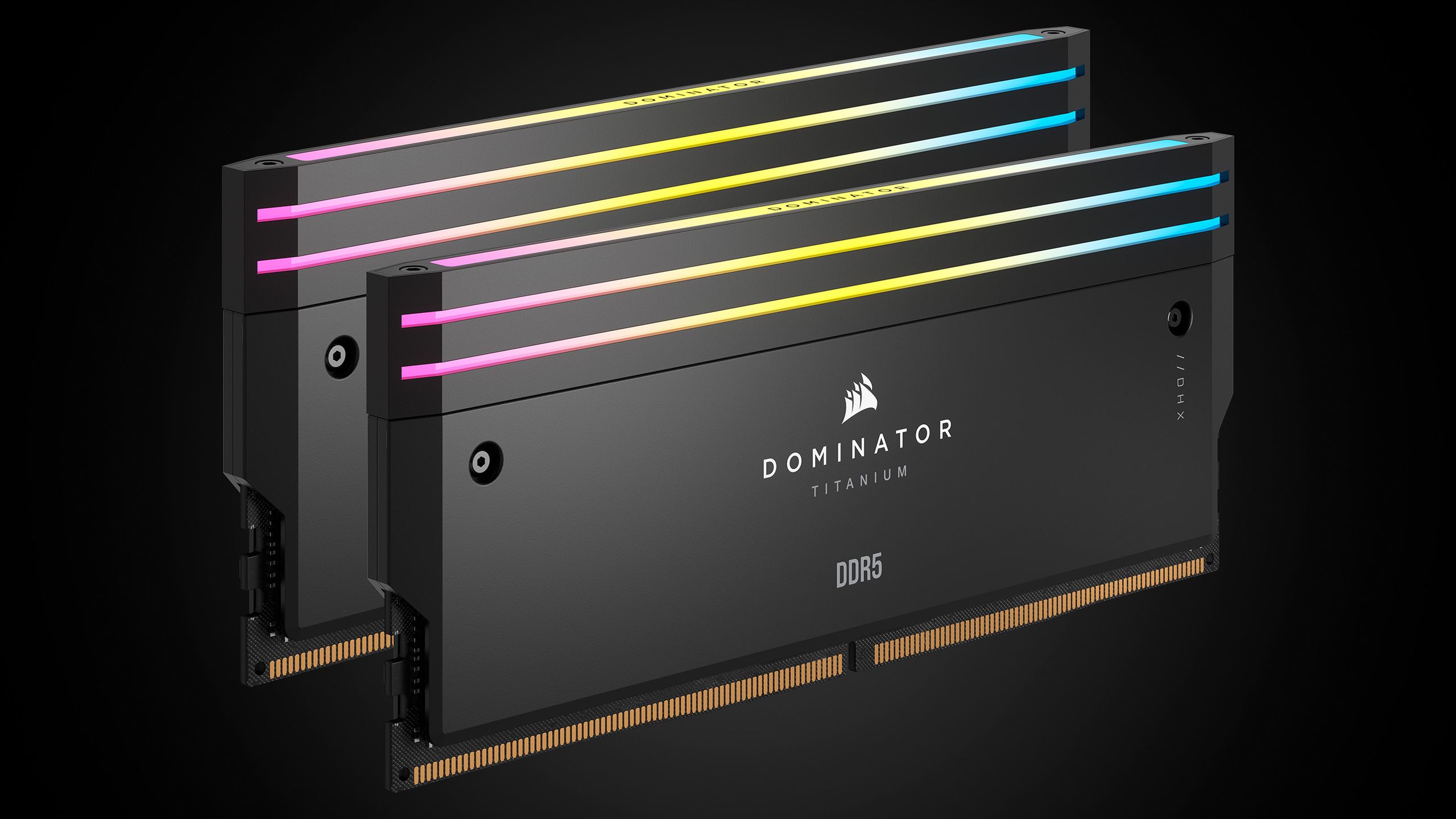
Imagine RAM like the short-term memory in your brain—it holds onto info while you're using apps, so everything runs fast without constant reloading. Right now, there's a huge crunch on this stuff, especially newer, faster types like DDR5. Retailers just started listing 32GB DDR5 kits (enough for smooth multitasking or gaming) at $359.99, but anything cheaper vanishes from online shelves in seconds, snapped up by computer programs called bots that buy in bulk to resell at huge markups.
Why? Big memory makers like Samsung, SK hynix, and Micron are pouring their factories and money into special high-end memory (like HBM and advanced LPDDR) needed for AI supercomputers, not everyday PC parts. AI giants—Nvidia for the chips, Google and Microsoft for the data centers—are buying it all up for training massive AI models, outbidding everyone else. This has ripple effects: even older DDR4 RAM prices have jumped 300-400% (from $50 to $200 for a 32GB kit), and bots are hitting product pages 50,000 times an hour—six times more than real people. Security firms blocked over 10 million bot attempts. It's like a gold rush where AI companies are claiming all the gold mines, leaving scraps for regular buyers.
Prices for the chips themselves are skyrocketing too—a single DDR5 chip went from about $7 to $27 in late 2025. This isn't a blip; production lines are switching to AI-focused memory, so shortages could drag into 2026.
Why should you care?
This hits your wallet directly if you use any computer, phone, or gadget. AI's explosion is great for smarter chatbots and tools, but it's sucking up the building blocks of all electronics, driving up costs for everyone. No more cheap RAM upgrades means slower, pricier PCs and laptops. Think about it: that gaming rig you wanted to build? Budget just ballooned. New laptop for work or school? It'll cost more. Even smartphones, Chromebooks, cars with fancy screens, and SSD storage (like bigger hard drives) are getting pricier because they all use the same basic memory tech. AI might make life easier in some ways, but right now, it's making your tech upgrades harder and more expensive.
What changes for you
- PC builders and gamers: Forget snagging 32GB DDR5 under $360—it's gone instantly. DDR4 deals are toast too, with prices 4x higher. Your next upgrade could cost hundreds extra, forcing compromises on speed or capacity.
- Laptop and everyday users: Chromebook shipments might slow, and prices rise as memory shortages hit. Multitasking (like 20 browser tabs plus Zoom) feels sluggish without enough RAM, so expect fewer budget options with solid performance.
- Phone and gadget buyers: AI demand is spilling over, making phones, tablets, and even car electronics more expensive. No direct "out of stock" yet, but watch for price hikes.
- Resellers and bots: Scalpers are thriving, using AI bots to hoard stock, so you compete with machines for what's left.
- Long-term: Factories aren't ramping up consumer RAM fast enough, so prices stay high through 2026. If you're shopping now, buy soon or go used/refurbished—but even those are scarcer.
In short, if you're not buying top-shelf AI gear, you're stuck paying more for less availability. It's a classic supply-demand squeeze: AI wins, consumers lose.
Frequently Asked Questions
### Why is RAM suddenly so expensive?
AI data centers need tons of specialized memory to power huge models, so manufacturers prioritize that over regular PC RAM. This starves the consumer market, spiking prices—even for older types like DDR4—and bots scoop up stock to resell higher.
### How bad is the shortage? Will it affect my current PC?
It's severe: 32GB DDR5 kits under $360 are wiped out in seconds, and prices have doubled or quadrupled since mid-2025. Your existing PC is fine unless you're out of RAM already, but upgrades will cost way more—no cheap fixes for slow performance.
### Is this just for gamers, or does it hit regular people?
Everyone feels it: laptop buyers, students needing Chromebooks, phone upgraders, even cars with digital dashboards. Shortages slow shipments and raise prices across gadgets that use memory chips.
### When will prices go back down?
Not soon—industry experts say 2026 at earliest, as factories focus on AI memory. Production isn't expanding fast enough for consumers, and demand keeps growing.
### Can I avoid this? What should I do?
Buy now if you need an upgrade, check used markets, or stick with what you have. Avoid low-stock listings to dodge bots. For new builds, budget 2-4x more for RAM and consider waiting if you're not desperate.
The bottom line
The AI boom is creating a "RAMpocalypse" where everyday computer memory is scarce and pricey because tech giants are hoarding chips for data centers. For you, this means higher costs for PC upgrades, laptops, phones, and more—no more bargain RAM, with shortages likely lasting into 2026. It's a reminder that AI's benefits come with trade-offs: smarter tech now, but expensive basics later. If you're planning a tech purchase, act fast or brace for sticker shock—talk to friends before buying to share deals.