
The short version
Facial recognition software used by Fargo police wrongly identified Tennessee grandmother Angela Lipps as a bank fraud suspect, leading to her arrest at gunpoint and nearly six months in jail across Tennessee and North Dakota. She was proven innocent only after her bank records showed she was 1,200 miles away at home, but by then she'd lost her home, car, and dog. This real-life nightmare shows how AI tools in policing can destroy innocent lives if not double-checked—your face could be next if police rely too heavily on this tech.
What happened
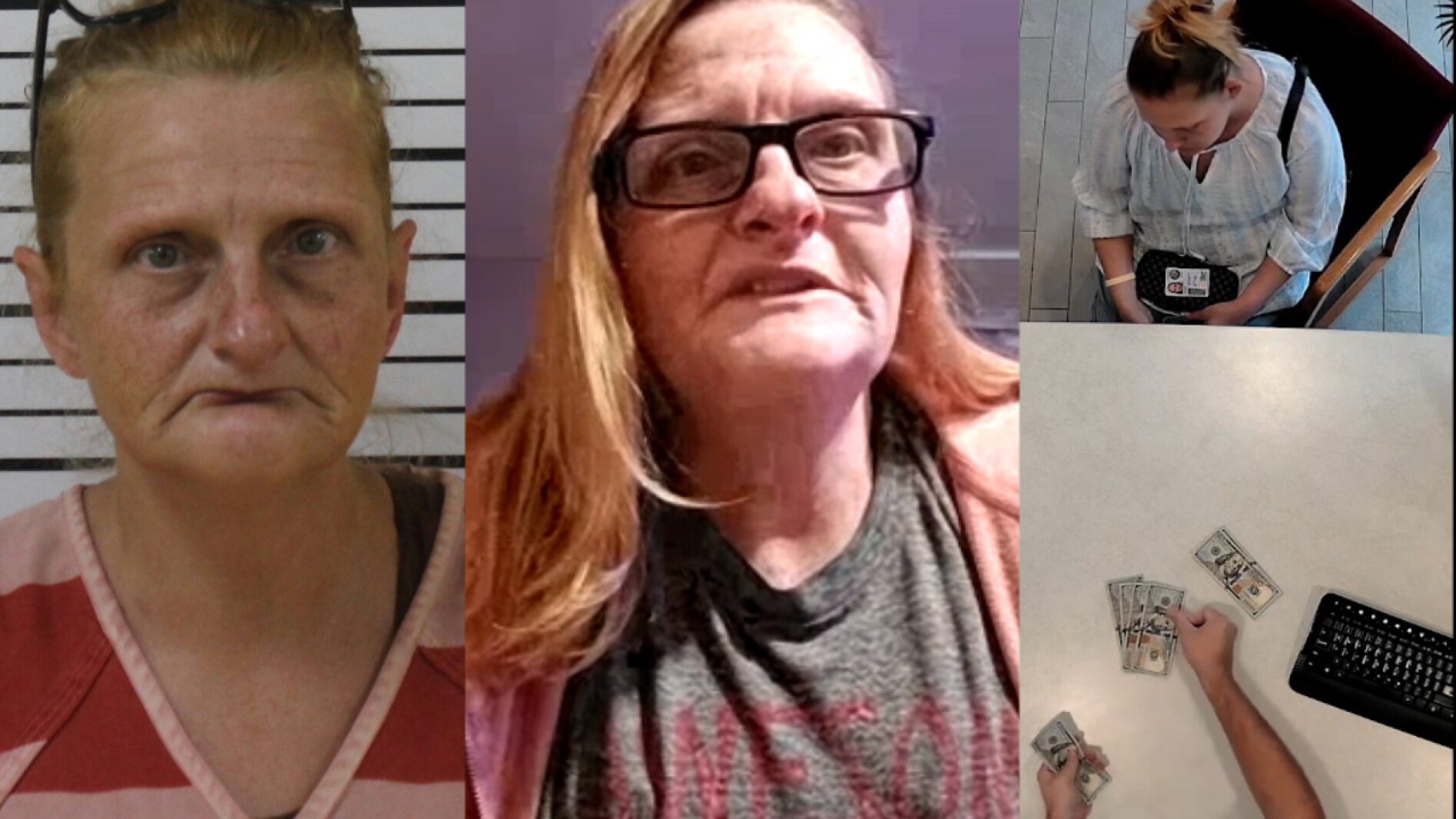
Imagine you're at home babysitting your grandkids, minding your own business, when U.S. Marshals burst in with guns drawn and haul you away because a computer program glanced at a blurry bank camera photo and decided you look like a criminal halfway across the country. That's exactly what happened to 50-year-old Angela Lipps, a Tennessee mom of three grown kids and grandma to five, on July 14 last summer. She'd never set foot in North Dakota, never flown on a plane, and her travels stuck to neighboring states—yet facial recognition software flagged her as the prime suspect in an "organized bank fraud case" in Fargo.
Here's how it went down, step by step, like a bad dream you can't wake from. Fargo police were investigating fraud where a woman used a fake U.S. Army military ID to pull out tens of thousands of dollars from banks. They had surveillance video of her but couldn't ID her manually, so they turned to facial recognition software—a tool that scans photos and matches faces using AI algorithms, kind of like how your phone unlocks when it "recognizes" your face. The software pointed straight at Lipps. A detective then checked her social media pics and Tennessee driver's license photo, noting similarities in "facial features, body type, hairstyle, and color." No phone call to her, no questions asked—just charges filed for four counts of unauthorized use of personal info and four counts of theft.
Lipps got arrested in Tennessee as a fugitive, held without bail for nearly four months (108 days) in a local jail. North Dakota cops finally flew her up on October 30, and she appeared in court the next day. Her lawyer, Jay Greenwood, immediately pulled her bank records. Boom—proof she was home in Tennessee the whole time: depositing Social Security checks, buying cigarettes at a gas station, grabbing pizza, even using Cash App for Uber Eats. Police interviewed her for the first time on December 19—over five months after her arrest. Charges dismissed Christmas Eve. She walked out into Fargo snow with summer clothes, no coat, stranded and terrified, having lost everything.
Pull quote: "If the only thing you have is facial recognition, I might want to dig a little deeper," said her lawyer Jay Greenwood. (And they didn't—until it was almost too late.)
This wasn't some sci-fi glitch; it's a verified case from police files obtained via open records request. Lipps told reporters, "It was so scary, I can still see it in my head, over and over again." She's still rebuilding her life, but the damage is done.
Why should you care?
This isn't just one grandma's horror story—it's a wake-up call that AI facial recognition is already in everyday policing, and one wrong match could upend your life. Think about it: police departments across the U.S. use these tools daily for everything from traffic stops to fraud busts. If a computer says your face matches a suspect (even if you're innocent and states away), you could be arrested, separated from family, and stuck in jail for months without a real investigation. No alibi checks, no simple phone call—just blind trust in the tech.
For regular folks like you and me, it means your privacy and freedom are on the line every time a camera scans a crowd or a bank lobby. We've all got our faces online—social media, driver's licenses, even grocery store loyalty apps feed these systems. One bad photo, one lighting glitch, and poof, you're a suspect. Lipps lost her home, car, and dog while jailed; imagine that hitting you—missing kids' birthdays, job gone, savings drained on legal fights. And it's not rare: similar cases pop up, like Reddit threads buzzing about bodycam footage of an innocent man arrested over AI mis-ID (with three forms of ID ignored). This erodes trust in police and tech, making us all wonder: who's accountable when AI screws up?
What changes for you
Right now, nothing "changes" overnight—no new laws from this single case—but it spotlights a growing risk as more police adopt AI tools without safeguards. For everyday users:
- If you're ever pulled over or investigated: Ask if facial recognition was used. Demand they verify with alibis, calls, or records first—don't let "the computer said so" be enough.
- Your data exposure: Your driver's license photo or social media could be scanned without your knowledge. Opt out where possible (some states let you), and think twice about public face pics.
- Family impact: Like Lipps babysitting grandkids when arrested, you could be yanked from daily life. Bail might be denied as a "fugitive," costing months.
- No cost to you directly, but lawsuits could lead to taxpayer-funded payouts (Lipps is suing). Long-term, expect pushes for rules like "human review mandatory" or bans in high-stakes use—similar to how Europe regulates AI risks.
- Apps and daily life: Your phone's face unlock is "good enough" for convenience, but policing versions lack the same accuracy (they match across angles, ages, races—often failing minorities worse). If you're pulled into a fraud probe (happens more with digital banking), AI could flag you falsely.
Bottom line: This pushes for you to stay vigilant—know your rights, record interactions, and advocate for "AI + human checks" policies.
Frequently Asked Questions
### What is facial recognition software, and how does it work?
Facial recognition is AI tech that analyzes photos or videos to match faces, like a super-smart photo album scanner spotting lookalikes. It measures things like distance between eyes, nose shape, and jawline, then compares to databases of driver's licenses or social media. In Lipps' case, it wrongly matched blurry bank footage to her online pics—but it's not foolproof, especially with poor video quality, hairstyles, or lighting.
### Could this happen to anyone, or just people with public photos?
It could happen to anyone whose face is in a database—driver's licenses, mugshots, or social media (which police can access). Lipps had public social profiles; even private ones get scraped sometimes. If you've got a license or post selfies, you're at risk—no consent needed for police use.
### Why didn't police check her story before arresting her?
They relied heavily on the AI match and visual similarities, without calling her first. She sat in jail 108 days before extradition, and wasn't interviewed until five months in. Her lawyer says they should've dug deeper—like asking for bank records upfront—instead of treating AI as gospel.
### Is Angela Lipps getting compensation, and who's to blame?
Charges were dismissed Christmas Eve 2025, but details on lawsuits aren't confirmed yet—she's working to rebuild after losing her home, car, and dog. Blame falls on police for not verifying beyond AI; the software maker isn't named. Similar cases have led to settlements.
### Will this lead to changes in how police use AI?
Not yet confirmed, but high-profile cases like this spark calls for reforms—mandatory human oversight, accuracy audits, or bans for arrests alone. Watch for state laws; North Dakota might review after this.
### How accurate is police facial recognition, really?
The source doesn't give benchmarks, but Lipps' case shows it can fail spectacularly (1,200-mile wrong ID). Studies (not in this source) note error rates up to 100x higher for non-white faces, but here it's about over-reliance—no numbers on this specific software.
The bottom line
Angela Lipps' six-month jail nightmare—arrested at gunpoint over a faulty AI face match she couldn't fight from a cell—is a stark reminder that facial recognition in policing can wreck innocent lives without basic checks like a phone call or bank records. For you, it means treating "AI identified you" like a yellow flag, not a guilty verdict: demand proof, know you can fight extradition, and push for rules ensuring humans trump machines. This viral story (blowing up on Reddit, Guardian) could spark real change—stay informed, protect your data, and remember: tech serves us, not the other way around. Your freedom might depend on it.
(Word count: 1,248)
Sources
- Grand Forks Herald: AI error jails innocent grandmother for months in North Dakota fraud case
- The Guardian: Tennessee grandmother jailed after AI facial recognition error links her to fraud
- InForum: AI error jails innocent grandmother for months in Fargo fraud case
- Duluth News Tribune: AI error jails innocent grandmother for months in North Dakota fraud case