
The short version
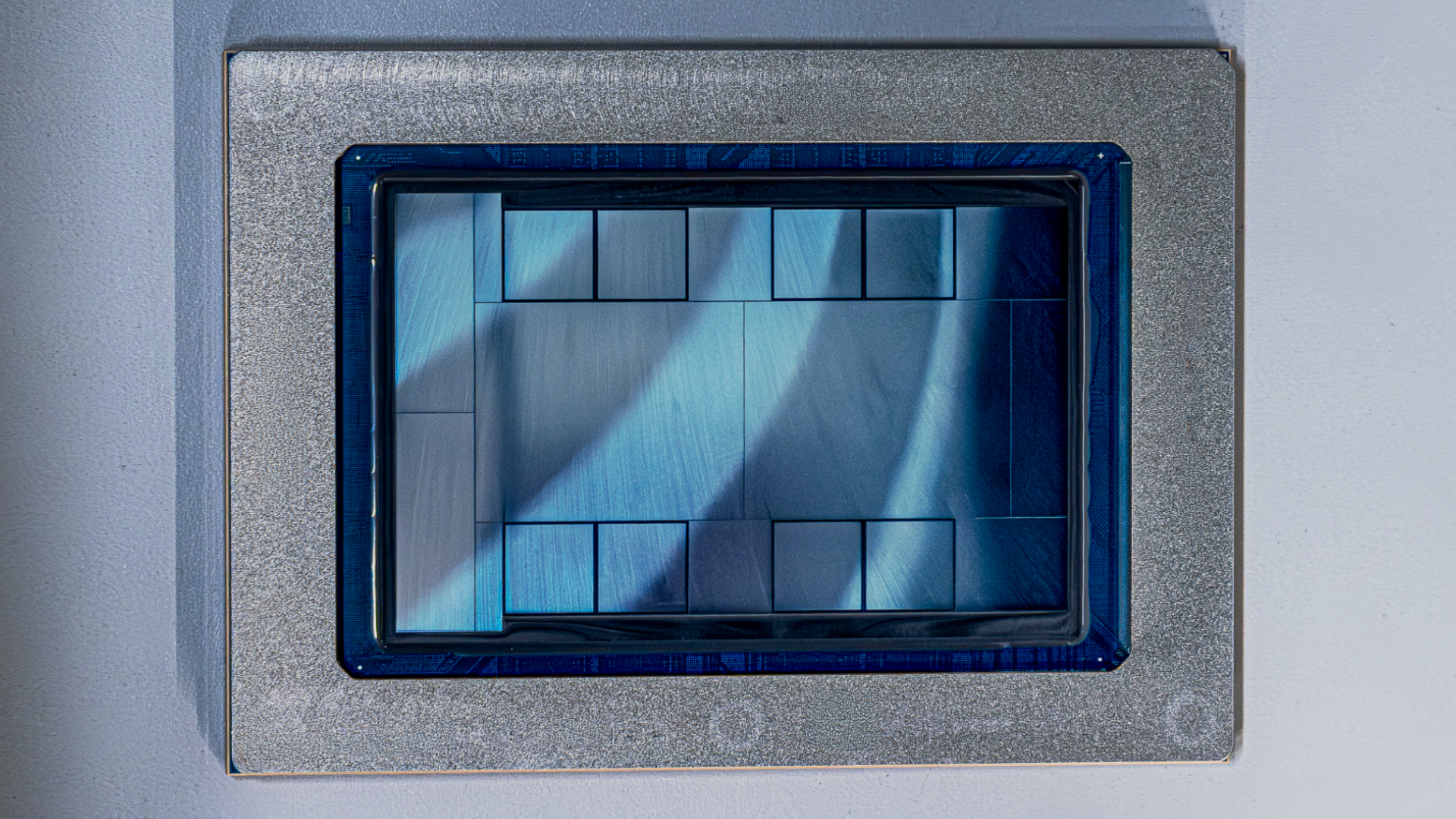
Meta's MTIA chips are custom-built computer brains designed by Meta (the company behind Facebook and Instagram) in partnership with Broadcom to run AI tasks super efficiently, especially "inference"—the part where AI generates responses like recommendations or chat replies. They've announced four new versions (MTIA 300, 400, 450, and 500) coming out every six months over the next two years, with big boosts in speed and memory for handling AI on a massive scale. This helps Meta cut costs and speed up features you use daily, like personalized feeds and ads, without relying solely on chips from companies like Nvidia.
What happened
Imagine your phone's brain is a busy chef in a kitchen. Training an AI is like inventing a new recipe from scratch—it takes tons of ingredients (data) and powerful ovens (computers). But "inference" is like serving that recipe to millions of customers super fast: dishing out personalized meals without wasting energy on recipe tweaks. Meta's MTIA chips are specialized for this serving phase, not the inventing one.
Meta just revealed four generations of these chips: MTIA 300 is already making chips for ranking posts and recommendations (like why you see certain Instagram pics first). MTIA 400 is finishing lab tests and heading to data centers soon. The stars of the show, MTIA 450 and 500, are tuned for inference and will roll out in 2027. Each new version packs way more "bandwidth" (think superhighway lanes for data to zip through) and computing power—HBM bandwidth jumps 4.5 times overall, and raw compute power leaps 25 times from first to last.
They're built with Broadcom's help, use the same physical setup (like Lego bricks that swap easily), and drop every six months—twice as fast as the usual 1-2 years for new chips. Meta's already using hundreds of thousands of these in their apps for things like ad suggestions and content feeds. It's all designed to plug right into popular AI software without headaches, and it comes after Meta's $100 billion deal with AMD, showing they're diversifying away from Nvidia dominance.
In simple terms: Meta's cooking up faster, cheaper AI hardware at home instead of always buying from the big chip store down the street.
Why should you care?
These chips make AI run smoother and cheaper behind the scenes for Meta's 3+ billion users. Faster inference means your Facebook feed loads recommendations in a blink, Instagram suggests Reels that actually hook you, and AI chatbots or image generators respond quicker without glitches. For you, it translates to less waiting, more spot-on content, and potentially lower costs passed on (Meta spends billions on AI infra—custom chips could save money that keeps services free).
On the bigger picture, Meta's move pressures the AI chip market. If big tech builds its own hardware, prices for AI services might drop long-term, making tools like Meta AI smarter and more accessible. No more "AI is slow or expensive" excuses—your daily scroll gets a turbo boost, and future features (like better ad targeting or AR filters) arrive sooner.
What changes for you
Nothing flips overnight—Meta's apps won't update tomorrow. But here's the practical ripple:
-
Smoother experience: Expect zippy AI features. One rack in Meta's data centers holds 72 MTIA 400 chips; scaled up, your feed ranks billions of posts instantly, so you see friends' stories first, not random stuff.
-
Free and fast stays that way: Meta powers free apps with ads and recommendations. Cheaper chips mean they spend less (they've deployed hundreds of thousands already), possibly funding more AI goodies like advanced search or creative tools without price hikes.
-
No app changes needed: Use Facebook, Instagram, WhatsApp as always. Behind the scenes, AI gets 25x more powerful for inference, so chatbots answer smarter, ads feel less spammy (more relevant = less annoyance).
-
Broader AI wins: This pushes competition. Nvidia's great for training but power-hungry for serving AI; Meta's inference-focused chips use less energy per task. Over time, AI everywhere (not just Meta) gets efficient, meaning faster web AI, cheaper cloud services, and greener data centers.
If you're a creator or business, targeted ads improve, boosting reach without extra spend.
Frequently Asked Questions
### What are MTIA chips and what do they do?
MTIA stands for Meta Training and Inference Accelerator—custom chips Meta builds for AI work. They're especially good at "inference," which is using a trained AI to make quick decisions, like suggesting your next video or ad. Think of them as speedy waiters serving AI results to billions, unlike bulky ovens for cooking new AI models.
### When will these new chips be available, and how often?
MTIA 300 is already in production. MTIA 400 is testing now and deploying soon. MTIA 450 hits early 2027, MTIA 500 later that year. New versions come every six months, letting Meta upgrade fast without rebuilding data centers.
### How are these different from Nvidia chips?
Nvidia chips (like H100/H200) excel at training massive AI but use extra power for inference. Meta's MTIA chips prioritize inference with higher memory bandwidth (up to 27.6 TB/s in MTIA 500 vs. less in Nvidia equivalents) and lower overhead, making them cheaper and more efficient for everyday AI tasks like feeds and ads.
### Will this make Facebook or Instagram better or cost more?
It should make them better—faster, smarter recommendations and AI features without slowdowns. Services stay free; custom chips help Meta save billions, potentially improving quality or adding features without raising prices.
### Does this affect AI outside of Meta's apps?
Indirectly, yes. Meta's push reduces reliance on Nvidia, sparking competition that could lower AI costs industry-wide. Your non-Meta AI tools (like Google or ChatGPT) might get faster/cheaper as chip prices drop and efficiency rises.
The bottom line
Meta's four new MTIA chips are a smart play to supercharge AI inference, delivering huge speedups every six months while cutting costs on the hardware that powers your social feeds and ads. For everyday folks, it means snappier apps, more relevant content, and reliable free AI features without the wait—Meta's handling the heavy lifting so you don't notice the magic. Keep an eye on 2027; as these roll out, expect your Meta experience to feel noticeably slicker, and it could nudge the whole AI world toward faster, greener innovation.
Sources
(Word count: 842)