
The short version
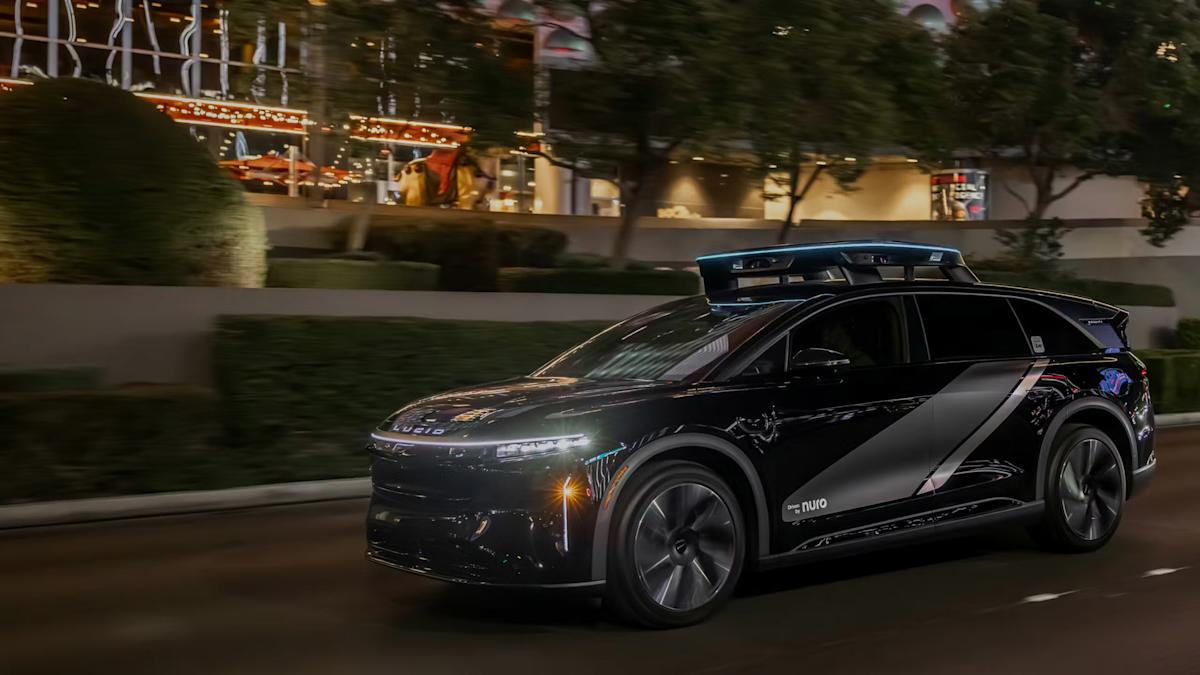
Nuro is a U.S. startup making self-driving vehicles, backed by big names like NVIDIA, Uber, and Toyota, and it's now testing a small number of its robot cars on Tokyo's busy streets with human drivers behind the wheel for safety. This is their first test outside the U.S., in a tough spot with narrow roads, crowds, and driving on the left side—think of it like training a new driver in the world's trickiest traffic jam. It could lead to cheaper, safer rides through Uber in places like San Francisco soon, and eventually more self-driving options worldwide.
What happened
Imagine teaching a car to drive itself in a video game where the streets are super narrow, packed with pedestrians and bikes, and everyone drives on the opposite side from what you're used to—that's Tokyo for Nuro's self-driving tech. The company, which has already done grocery deliveries with 7-Eleven in California, sent a "handful" of vehicles to Japan for real-road tests. Japanese rules require a human safety driver ready to take over, so it's not fully driverless yet. Nuro's CEO called it a "pressure test" to prove their system can handle wild, unfamiliar conditions without needing to memorize every street rule. They're aiming for "Level 4" self-driving, which means the car could handle almost everything on its own in certain areas, like a busy city zone.
This builds on partnerships: Uber plans robotaxis with Nuro and electric car maker Lucid starting in San Francisco this year, scaling to thousands by 2027. Meanwhile, Google's Waymo is also testing in Tokyo with local taxi companies and Toyota since April 2025. Nuro wants to be more flexible—not just rides, but deliveries or other uses—unlike Waymo's ride-focused approach.
Why should you care?
Self-driving cars like Nuro's promise rides that are safer (no distracted humans crashing), cheaper (no driver pay), and always available (no waiting for a taxi in the rain). If they nail tough spots like Tokyo, it speeds up rollout everywhere—including your city—meaning fewer car accidents, less traffic hassle, and easy access for people who can't drive, like kids or the elderly. For Uber users, this could slash ride costs over time and add cool options like autonomous grocery drops.
What changes for you
Right now, nothing immediate unless you're in San Francisco testing Uber's upcoming robotaxi service this year. But success in Tokyo boosts confidence in Nuro's tech, paving the way for wider Uber rollouts by 2027 with up to 100,000 self-driving vehicles. You might hail a driverless Uber ride that's 20-30% cheaper, safer on crowded roads, or even get robot deliveries to your door. No more surge pricing during rush hour or worrying about rude drivers—your phone app just works.
Frequently Asked Questions
### Is Nuro's self-driving tech safe for real roads yet?
Not fully—Japanese law requires human safety drivers during these Tokyo tests, so a person is ready to grab the wheel if needed. Nuro prepped with simulations, closed-track runs in Las Vegas, and "shadow mode" where the AI practices without controlling the car. It's a step toward full self-driving in limited areas, but still in early testing.
### When can I ride in a Nuro robotaxi?
Uber plans to launch a robotaxi service with Nuro and Lucid in San Francisco this year, but details like exact dates aren't confirmed. Bigger rollout with up to 20,000 robotaxis could start by 2027. Outside the U.S., like Tokyo pilots with Uber or others, it's not announced yet.
### How is Nuro different from Waymo?
Waymo focuses mostly on robotaxi rides and has been testing in Tokyo since April 2025 with local taxis and Toyota. Nuro's tech is a flexible "platform" for rides, deliveries (like with 7-Eleven), or other uses, and it adapts to new places quickly without city-specific training. Both aim for advanced self-driving, but Nuro eyes broader applications.
### Will this make Uber rides cheaper or more expensive?
Likely cheaper long-term—no human driver means lower costs passed to you, especially with Uber's scale-up to thousands of autonomous vehicles by 2027. Early tests might not affect prices yet, but success in tough markets like Tokyo could speed that up everywhere.
### Is Nuro expanding beyond Tokyo and the U.S.?
This is their first international test, but no other countries are confirmed. Uber's also working with Nissan and Wayve for Tokyo pilots by late 2026, hinting at Japan growth. Nuro's "universal" system is built to work globally, so more spots could follow if tests go well.
The bottom line
Nuro's Tokyo tests are a big win for self-driving tech, proving it can tackle chaotic streets abroad and setting up real robotaxi rides via Uber soon—think safer, cheaper trips without a human driver. For you, it means autonomous rides and deliveries could become everyday reality faster, cutting costs and hassle in your Uber app. Keep an eye on San Francisco launches this year; if they succeed, your city might be next.