
- What: Primate Labs issued a validity warning for benchmarks involving Intel’s Core Ultra 200S Plus and 300 series processors.
- The Issue: Intel’s new Binary Optimization Tool (iBOT) modifies instruction sequences to improve IPC, creating scores that Geekbench deems "inconsistent."
- Performance Impact: The tool reportedly boosts specific workload scores by up to 40% and overall multi-core scores by roughly 8%.
- Detection: Primate Labs confirmed it currently has "no way to detect" if a benchmark was run with iBOT enabled or disabled.
Primate Labs, the developer behind the industry-standard Geekbench 6 benchmarking suite, has issued a formal warning regarding Intel's new Core Ultra 200S Plus processors, claiming that Intel's Binary Optimization Tool (iBOT) produces "inconsistent" and potentially invalid performance results. The discrepancy arises from iBOT’s ability to modify instruction sequences in real-time, which reportedly boosts individual workload scores by as much as 40% while remaining undetectable by the benchmarking software.
The iBOT Controversy: Optimization or Manipulation?
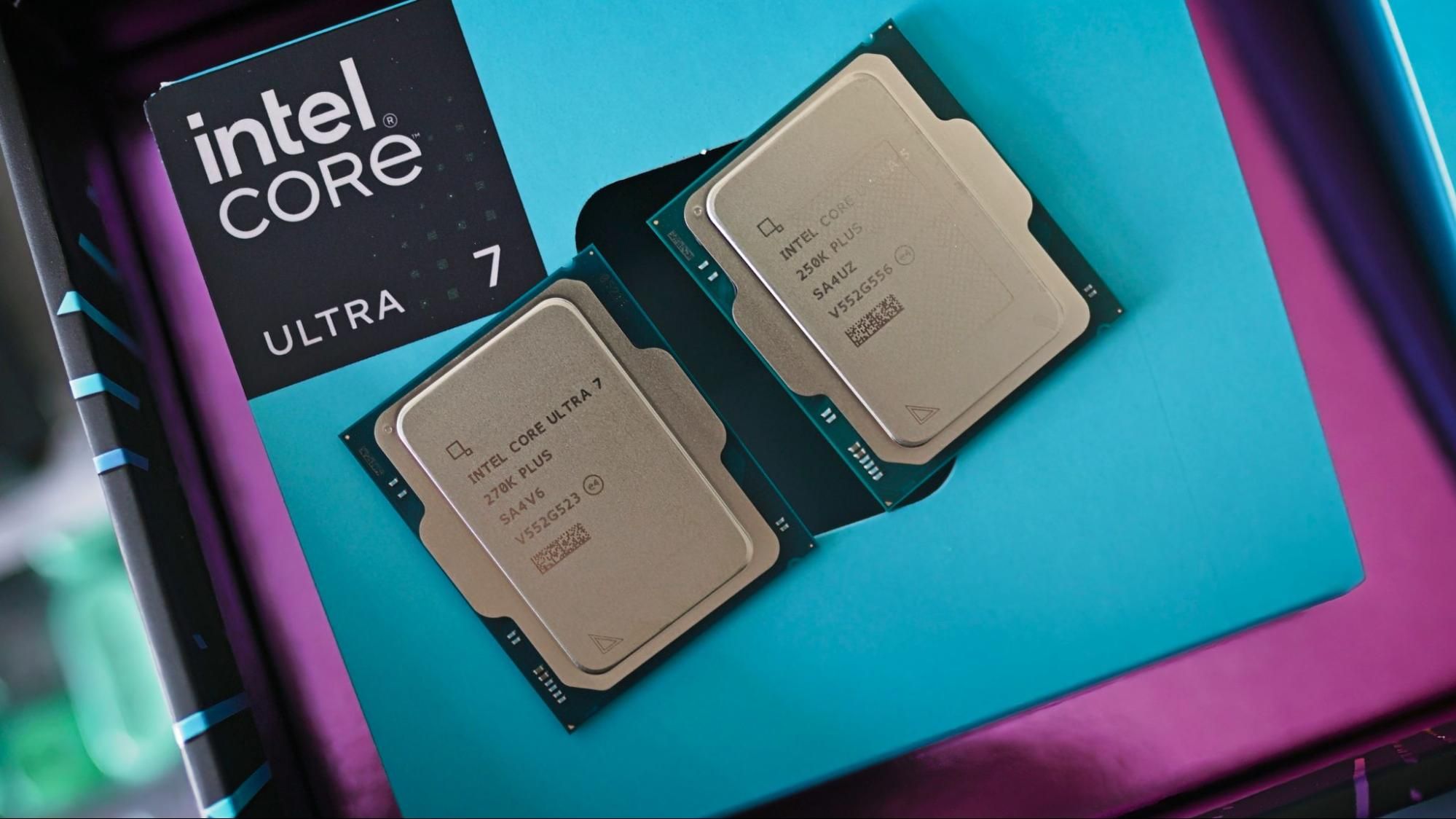
The controversy centers on the release of Intel’s latest "Plus" series chips, specifically the Core Ultra 7 270K Plus and the Core Ultra 5 250K Plus. These processors utilize Intel’s Binary Optimization Tool (iBOT), a software layer designed to improve Instructions Per Clock (IPC) performance. According to a report from Tom's Hardware, the tool functions by reordering and modifying instruction sequences within executables to maximize hardware efficiency.
However, Primate Labs argues that these modifications happen in an "unclear" fashion. Because the tool alters the way the benchmark code is executed on the fly, the resulting scores no longer represent a standardized "apples-to-apples" comparison with other processors that do not use such optimizations.
"When run under the tool, some Geekbench 6 workload scores increase by up to 40%, and overall scores increase by up to 8%," the Geekbench team stated in an official blog post. "Since the tool modifies the benchmark, and it is unclear to both Primate Labs and the general public how these changes occur, results generated with the tool are not comparable."
A "Black Box" for Benchmarking
The primary technical hurdle for Primate Labs is the transparency of the iBOT software. Currently, Geekbench 6 has no mechanism to identify when iBOT is active during a benchmark run. This creates a "black box" scenario where a user might see a record-breaking score online without knowing if it was achieved through standard hardware performance or via the iBOT optimization layer.
The impact is not limited to the 200S Plus series. Reports from Tweaktown and VideoCardz indicate that the warning will also apply to upcoming 300 series CPUs that support the utility. Because the tool modifies the binary execution of the benchmark itself, Primate Labs has taken the step of flagging these results as potentially invalid to maintain the integrity of their browser database.
Impact on Developers and the Industry
This development creates a significant rift in how hardware performance is communicated to consumers and developers. For years, Geekbench has served as a neutral ground for comparing silicon across different architectures, including x86, ARM, and RISC-V.
For developers, the iBOT tool presents a dilemma. While the 40% boost in specific workloads sounds impressive, if that performance is achieved through proprietary binary rewriting that doesn't translate to real-world, unoptimized applications, the benchmark becomes a poor predictor of actual software performance.
The industry impact is immediate:
- Reviewers: Hardware reviewers must now exercise extreme caution, as standard testing protocols may inadvertently include iBOT-boosted results, skewing comparative charts against AMD or previous-generation Intel chips.
- Consumers: Buyers looking for the fastest IPC performance may be misled by "synthetic" gains that require specific software layers to manifest.
- Competitive Landscape: This move by Intel suggests a pivot toward software-assisted performance gains as traditional transistor-level IPC improvements become harder to achieve.
"This changes how we must view the competitive landscape," noted industry analysts. "If one manufacturer is allowed to rewrite the benchmark's code during execution, the metric of 'raw performance' effectively dies."
What’s Next for Intel and Geekbench
Primate Labs has announced it will display a temporary warning on all benchmark results generated by CPUs supporting Intel's new Binary Optimization Tool. This is a stop-gap measure while the team investigates more permanent solutions, such as developing a method to detect the presence of iBOT during the execution phase.
Intel has positioned iBOT as a legitimate tool for extracting maximum performance from its latest architecture. However, the company faces an uphill battle in convincing the benchmarking community that these optimizations should be considered "standard" rather than "synthetic."
For now, the Core Ultra 200S Plus series remains under a cloud of technical scrutiny. Until Geekbench can reliably distinguish between native hardware performance and iBOT-assisted scores, the "Plus" in Intel's latest naming convention may be viewed by enthusiasts with a degree of skepticism.