
- What: A Los Angeles jury found Meta and YouTube negligent for "dangerous" and addictive platform designs.
- Damages: $3 million in compensatory damages awarded; punitive damages pending.
- Liability Split: Meta is responsible for 70% ($2.1M) of the award; YouTube handles 30% ($900,000).
- Context: This is the first "bellwether" case to reach a verdict among thousands of similar lawsuits involving social media harm to minors.
In a historic ruling that could reshape the tech industry’s algorithmic landscape, a Los Angeles jury has found Meta and Google’s YouTube negligent for designing addictive features that harmed a young user. The verdict, delivered Wednesday, marks the first time a jury has held social media giants legally responsible for the "dangerous" nature of their platforms, ordering the companies to pay $3 million in compensatory damages to a 20-year-old woman identified as K.G.M.
The jury’s decision followed a high-profile trial that featured testimony from Meta CEO Mark Zuckerberg and the presentation of internal documents that plaintiffs argued proved the companies prioritized profit over user safety. The 10-to-2 vote determined that the tech giants knew their designs were hazardous but failed to warn the public, setting a significant legal precedent for thousands of pending lawsuits across the United States.
A "Bellwether" Defeat for Big Tech
The case was brought by K.G.M., who alleged that the platforms’ addictive features caused her severe harm during her childhood. While the lawsuit originally included TikTok and Snap, those companies opted to settle out of court for undisclosed amounts before the trial began. Meta and YouTube chose to fight the allegations, positioning this trial as a critical "bellwether" for the industry.
According to court documents and reports from NBC News, the $3 million award is intended to cover compensatory damages for pain, suffering, and financial burdens. Meta was saddled with the majority of the liability, ordered to pay 70 percent of the total, while YouTube was held responsible for the remaining 30 percent.
"This is the first time in history a jury has heard testimony by executives and seen internal documents that we believe prove these companies chose profits over children," said Joseph VanZandt, one of the lead attorneys for K.G.M., in a statement to The New York Times.
Zuckerberg’s Defense and Internal Documents
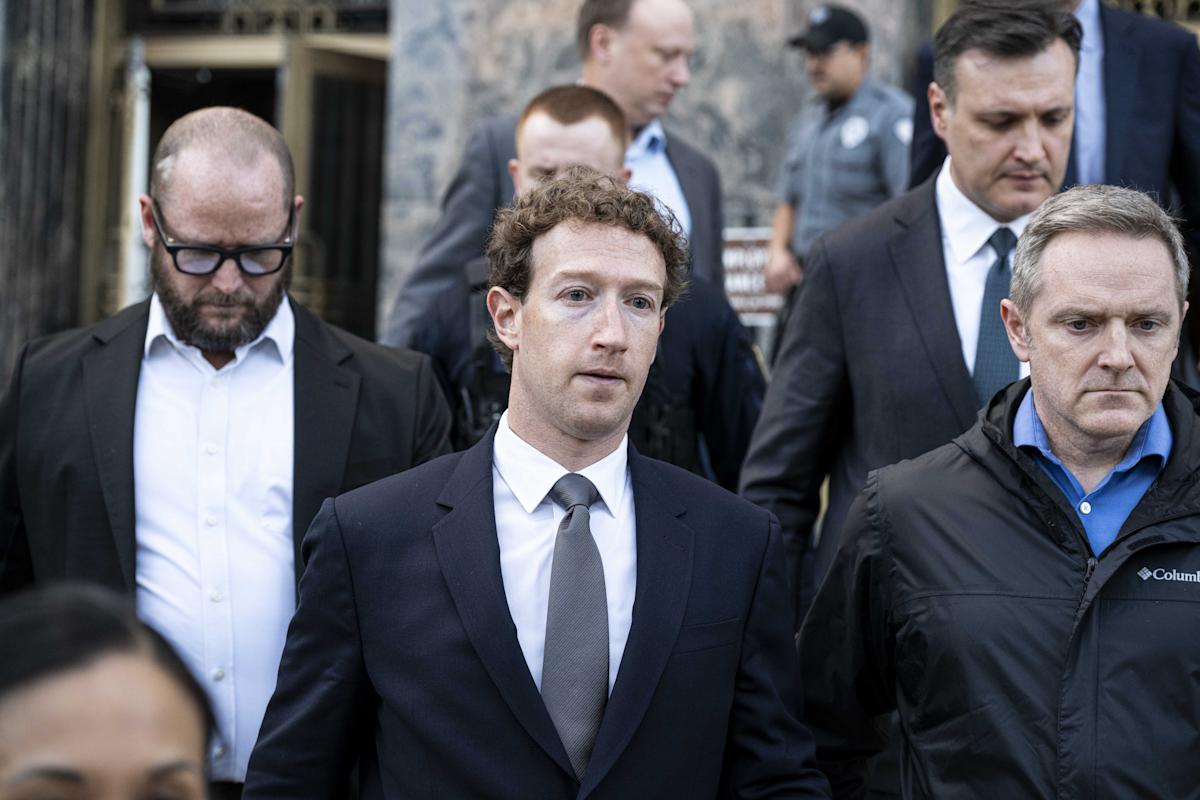
The trial saw Meta CEO Mark Zuckerberg take the stand in downtown Los Angeles on February 19, 2026. During his testimony, Zuckerberg defended the company’s practices, stating that Meta’s primary goal is to ensure Instagram is "useful" for its users. He repeatedly clashed with the plaintiff's legal team, accusing them of "mischaracterizing" his past statements regarding user engagement and safety.
Despite these defenses, the jury was presented with internal documents that suggested the companies were aware of the compulsive nature of their platforms. The plaintiffs argued that the features—ranging from infinite scroll to push notifications and algorithmic recommendations—were specifically engineered to exploit the brain chemistry of minors to maximize "time spent" on the apps.
In response to the verdict, a Meta spokesperson stated, "We respectfully disagree with the verdict and are evaluating our legal options." Google did not immediately provide a comment on the ruling.
Meta’s Mounting Legal Troubles
The Los Angeles verdict represents the second major legal blow to Meta in a 48-hour window. Just one day prior, a jury in New Mexico ruled against the company in a separate case involving child safety and sexual exploitation on Facebook and Instagram. In that instance, Meta was ordered to pay a staggering $375 million in penalties.
The back-to-back losses signal a shifting tide in how the legal system views the responsibility of social media companies. While tech firms have long been shielded by Section 230 of the Communications Decency Act—which generally protects platforms from liability for third-party content—this case focused specifically on the design and negligence of the platforms themselves rather than the content posted by users.
Impact on the Tech Industry
The verdict sends a clear warning to AI developers and social media engineers: engagement metrics can no longer be the sole driver of product design without considering legal liability. For years, the industry has operated under the assumption that "addictive" design was a hallmark of a successful product; this ruling suggests it is now a massive financial and legal risk.
"Today’s verdict is a referendum — from a jury, to an entire industry — that accountability has arrived," K.G.M.’s legal counsel said in a joint statement.
For developers and product managers, this could lead to a fundamental shift in how algorithms are tuned. Features that prioritize "rabbit holes" or maximize dopamine hits may be phased out in favor of "digital wellness" tools to avoid future negligence claims. The ruling also empowers thousands of other families who have filed similar claims, potentially leading to a massive wave of settlements or further billion-dollar jury awards.
What’s Next
While the $3 million in compensatory damages is a relatively small sum for companies with trillion-dollar valuations, the legal battle is far from over. The court has yet to decide on punitive damages, which are intended to punish the defendants and could be significantly higher than the compensatory award.
Meta has already indicated it will likely appeal both the Los Angeles and New Mexico verdicts. However, the precedent of a jury finding these platforms "negligent" and "dangerous" creates a precarious legal environment for Big Tech as they continue to integrate more advanced AI-driven recommendation engines into their core products.