
- What: OpenAI is sunsetting "Instant Checkout," its feature for direct in-chat purchases.
- Why: Friction with Amazon’s data policies and a shift toward dedicated retailer-specific applications.
- When: Pivoting immediately, with a broader ad-supported model targeting a 2026 rollout.
- Who: Impacting partners like Shopify, Walmart, and Etsy as the strategy shifts.
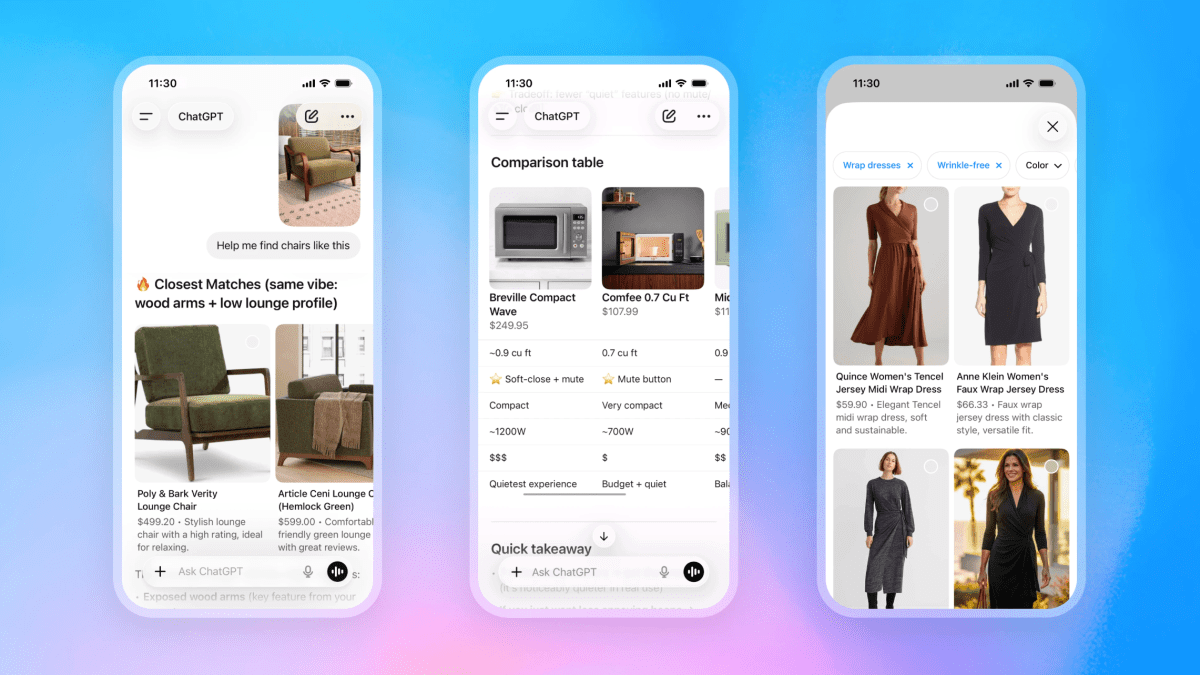
OpenAI is pulling the plug on "Instant Checkout," its ambitious feature that allowed users to purchase products directly within the ChatGPT interface, signaling a significant shift in the company's e-commerce strategy. The move marks a pivot away from direct native transactions toward a model focused on dedicated retailer applications and research-based shopping assistance. According to company announcements, OpenAI will now focus on working with retailers to create bespoke apps within the chatbot ecosystem rather than acting as a universal storefront.
The Friction with E-Commerce Giants
The decision to move away from a direct Amazon-like shopping experience comes amid technical and competitive hurdles. As reported by Modern Retail, one of the primary roadblocks has been Amazon’s refusal to allow ChatGPT to crawl its product pages. Due to Amazon’s robots.txt restrictions, ChatGPT’s shopping tools are often unable to surface specific Amazon listings.
In current tests, when users ask for product recommendations available on Amazon, the AI is forced to surface options from other retailers and suggests that the user manually "check if they’re available on Amazon." This friction has reportedly hampered the "Instant Checkout" vision, making it difficult for OpenAI to provide the seamless, comprehensive shopping experience it initially promised.
A New Strategy: From Storefront to Concierge
Instead of trying to replicate the Amazon "buy now" experience, OpenAI is doubling down on what it calls "agentic shopping." According to reports from CNBC, this involves deeper integrations with retailers like Etsy, Shopify, and Walmart. The goal is to allow these companies to build their own dedicated apps within ChatGPT, where the AI acts as a sophisticated research assistant that guides users toward a purchase, rather than the platform handling the payment itself.
This pivot suggests that OpenAI is prioritizing its strengths in natural language processing and research over the complex logistics of payment processing and direct retail management. By pulling retailers into its "orbit," OpenAI also aims to create a multiparty standoff that could eventually reduce its massive infrastructure dependence on Microsoft servers, as noted by industry experts in Fortune.
The Role of Advertising and the 2026 Roadmap
The retreat from Instant Checkout appears to be part of a broader preparation for the commercialization of ChatGPT. According to internal plans surfacing on Reddit’s r/singularity and other industry sources, OpenAI is preparing to test ads within ChatGPT in the United States.
The proposed ad model, targeting a 2026 rollout, will likely offer an ad-free version for premium users while introducing sponsored content to the free tier. This advertising framework is expected to integrate with the new retailer apps, allowing brands to bid for visibility during the "research" phase of a user’s shopping journey. For example, a user asking for "the best running shoes" might see a sponsored recommendation from a partner brand that leads directly into that brand’s dedicated ChatGPT app.
Impact on Developers and the Retail Landscape
For developers and e-commerce brands, this shift changes the technical requirements for partnering with OpenAI. Instead of a standardized checkout API, brands will likely need to invest in "agentic" capabilities—building tools that allow ChatGPT to navigate their specific inventories and brand logic.
This move also highlights a power shift in the AI-web relationship. By respecting robots.txt but prioritizing retailers who opt-in to its app ecosystem, OpenAI is creating a "pay-to-play" environment for data access. Retailers who block AI crawlers may find themselves excluded from ChatGPT’s recommendations, while those who build dedicated apps will gain direct access to the chatbot’s massive user base.
"This pivot suggests OpenAI is realizing that being a universal store is a logistical nightmare, whereas being an AI concierge is a scalable business model," according to industry analysis of the move.
What’s Next
OpenAI has not provided a specific sunset date for all legacy checkout features, but the transition to retailer-specific apps is already underway. Users can expect to see more "Shopping Assistant" features that emphasize "in-depth research" over quick-buy buttons in the coming months.
The industry will be watching closely to see if the potential $10 billion deal involving Amazon’s Trainium chips moves forward, as this could thaw the current data-sharing freeze between the two giants and potentially revive direct shopping features in a different form. For now, the focus remains on the 2026 ad rollout and the expansion of the ChatGPT app ecosystem.