
Rakuten Launches "Agentic" AI Ecosystem to Automate Tasks for Millions
- What: Full-scale launch of Rakuten AI, a multi-modal agentic platform.
- Availability: Accessible now via Rakuten Link for mobile subscribers and a standalone web beta for the public in Japan.
- Key Shift: Transitions from "reactive chat" to "proactive task execution" across shopping, fintech, and travel.
- Technology: Built on LLMs trained on trillions of Rakuten ecosystem interactions with deep Japanese cultural localization.
Rakuten Group has officially transitioned from conversational chatbots to autonomous agents with the full-scale launch of Rakuten AI. Unveiled during the 2025 Rakuten AI Optimism conference, the new platform is designed to act as a central entry point for the company’s massive ecosystem, allowing users to delegate complex tasks across shopping, travel, and fintech sectors.
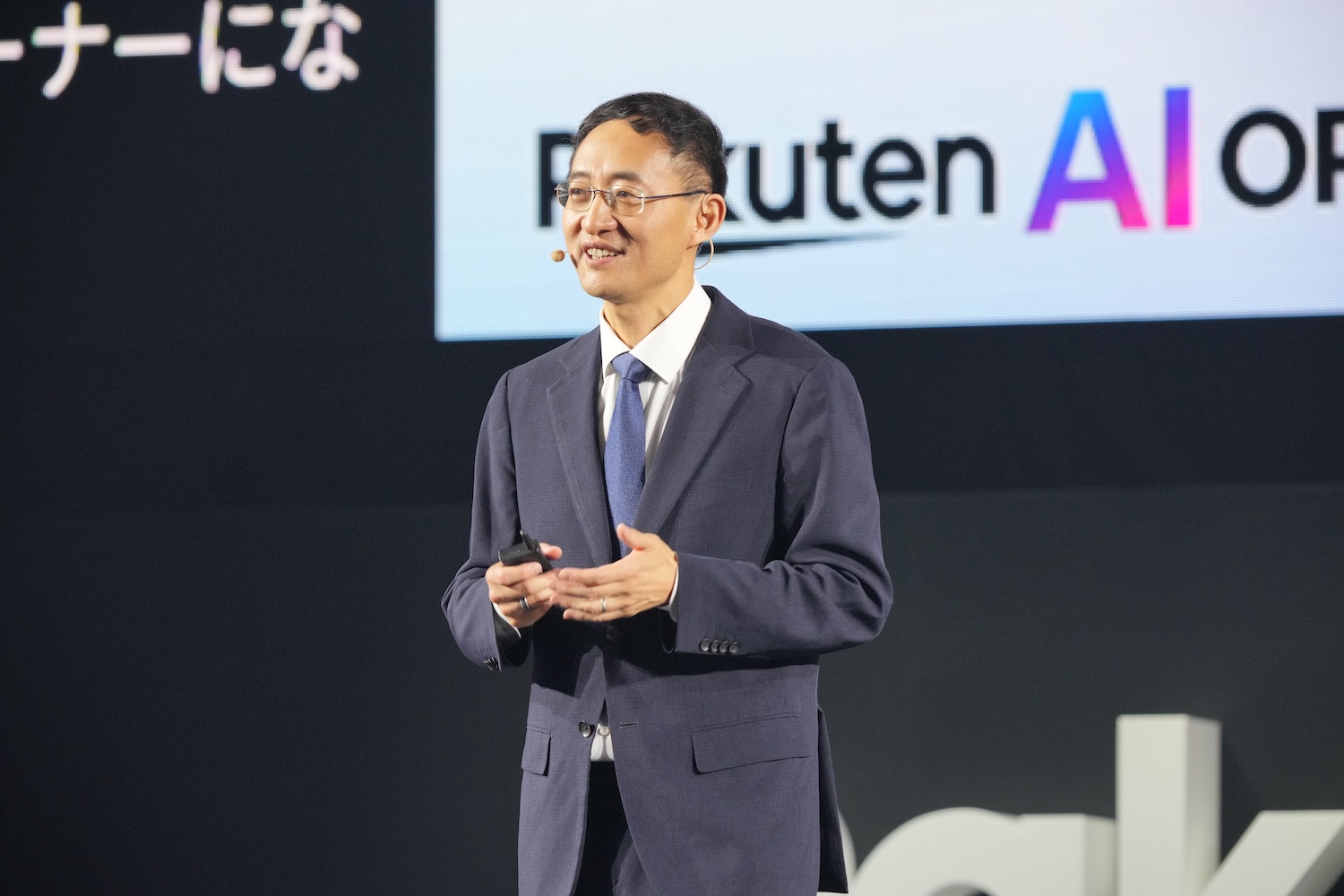
The announcement, led by Rakuten Group Chief Data & AI Officer Ting Cai, signals a fundamental shift in how the Japanese tech giant approaches artificial intelligence. Rather than simply answering questions, Rakuten AI is built to understand user intent and take proactive actions—a philosophy the company describes as the "agentic future."
From Chat to Task: The Agentic Evolution
The launch marks a departure from traditional generative AI models that primarily serve as research tools. According to Ting Cai, the industry is currently undergoing three major shifts: a move from chat to task, from research to action, and from human browsing to "agent browsing."
"For over 30 years, we designed sites to be operated by humans," Cai stated during his keynote. "Now, agents are able to browse the web and take actions on your behalf. Whether it’s booking hotels or purchasing items, agents can better understand your intent and get things done for you."
This "agentic" capability is powered by deep learning and large language models (LLMs) that have been integrated with Rakuten’s proprietary data. By leveraging trillions of historical interactions within the Rakuten Ecosystem, the agent is designed to provide highly personalized support that understands local Japanese context and cultural nuances—a significant competitive advantage against global AI models.
Multi-modal Capabilities and Technical Features
Rakuten AI is not limited to text-based interactions. The platform supports a variety of inputs and outputs designed to streamline the user experience:
- Multi-modal Search: Users can interact via text, voice-to-text, and image-based queries.
- Smart Suggestions: The system generates multiple AI-generated prompts for follow-up questions to guide users through complex workflows.
- Problem Solving: During a live demonstration, Rakuten AI showcased a "problem solver" feature capable of analyzing images of complex mechanical engineering math problems and providing step-by-step solutions.
- Productivity Tools: The suite includes integrated support for coding, translation, and image generation.
In a practical demonstration of its utility for business owners, the Rakuten AI product team showed the agent conducting market research for a new soy sauce product, planning an online store launch on Rakuten Ichiba, and generating marketing content and recipes simultaneously.
Strategic Integration and Access
Rakuten is rolling out the AI agent in phases to maximize its reach across its diverse business lines. Currently, the tool is available to Rakuten Mobile subscribers through the Rakuten Link mobile app. Simultaneously, a standalone web application has been launched in beta, available to anyone in Japan free of charge.
The company confirmed that later in 2025, Rakuten AI will be integrated directly into Rakuten Ichiba, Japan’s largest online marketplace. This integration will allow shoppers to use agentic search to navigate millions of product listings and automate the purchasing process.
"Rakuten AI is a powerful agent for your personal and professional life," said Cai. "It offers the full power of generative AI and a seamless integration experience with the rich Rakuten Ecosystem."
Impact on Users and the Industry
The shift toward an agentic ecosystem has significant implications for both consumers and professional users. For consumers, it reduces the friction of "human browsing," where a user must manually navigate multiple tabs and filters to complete a purchase or booking.
For professional users, Rakuten views this as a democratization of technical skill. Cai noted that with agentic AI, "everyone can become a software engineer, a business owner, or open a store." By automating the "doing" rather than just the "searching," Rakuten aims to lower the barrier to entry for its commercial platforms.
In the broader AI landscape, Rakuten’s move puts it in direct competition with global tech giants who are also racing toward autonomous agents. However, Rakuten’s massive dataset of Japanese consumer behavior and its deeply integrated ecosystem of over 70 services provide a "moat" of localized data that general-purpose LLMs may struggle to replicate.
What’s Next
Following the current beta phase and the mobile app launch, the next major milestone is the integration of Rakuten AI into the mobile version of the Rakuten Ichiba app, which is expected to occur between late 2025 and early 2026.
Rakuten also plans to continue "infusing AI into everything," with further expansions expected in wellness, education, and entertainment sectors. As the agent moves from beta to full integration, the company expects to see a surge in "agent-driven" commerce, where the AI handles the logistics of the transaction from discovery to checkout.
Sources
- Rakuten Today: Rakuten AI: Our agentic future starts here
- Rakuten Group: Rakuten Announces Full-Scale Launch of Rakuten AI
- Rakuten Group: Rakuten Integrates Cutting-Edge Agentic AI Tool into Rakuten Ichiba
All technical specifications, pricing, and benchmark data in this article are sourced directly from official announcements. Competitor comparisons use publicly available data at time of publication. We update our coverage as new information becomes available.