
The short version
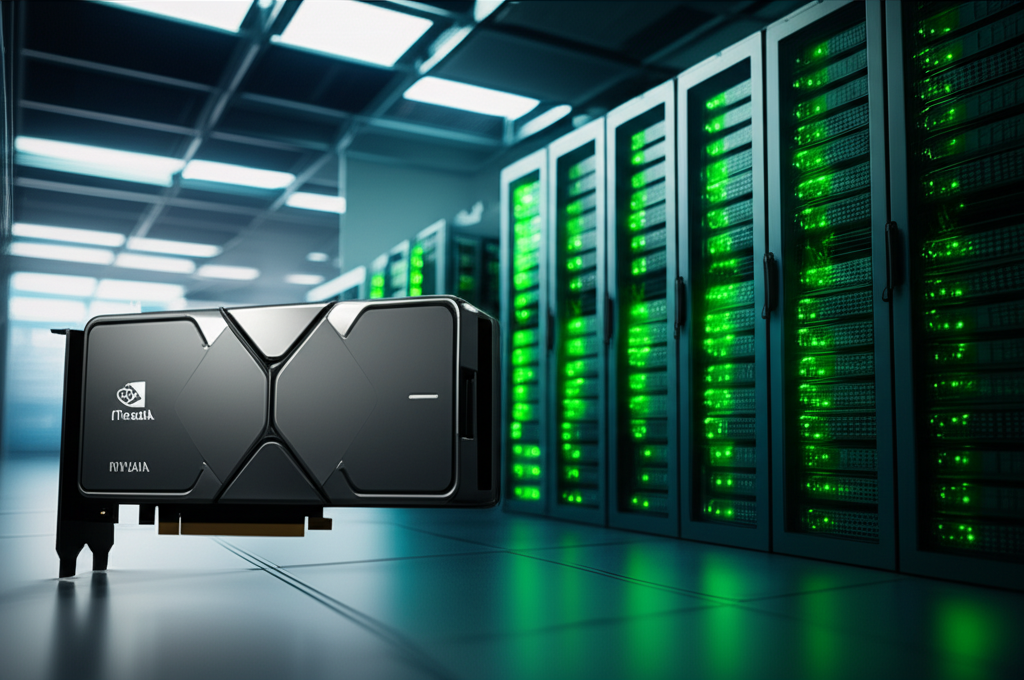
The massive demand for AI is causing a shortage of basic memory chips that go into everyday gadgets like phones, laptops, and cars. Companies like NVIDIA and Samsung are prioritizing chips for powerful AI systems, leaving less for consumer products. This means your next smartphone or even car could cost 20% more—or low-end options might disappear entirely—starting as soon as this year or 2026.
What happened
Imagine memory chips as the "storage shelves" inside your phone or car—they hold all the data and instructions that make devices work, from saving photos to running the navigation system. AI supercomputers need way more of these shelves because they crunch huge amounts of data to generate images, chat, or predict things.
Right now, AI's explosive growth is gobbling up these chips faster than factories can make them. Companies like NVIDIA (which powers a lot of AI) and Samsung (a big chip maker) are rushing to build more, but they're focusing on the fancy, high-capacity versions for AI data centers first. This leaves a shortage of the everyday chips we all rely on. It's like a bakery switching to bake only giant wedding cakes, so there's no bread left for sandwiches—prices for bread skyrocket because supply can't keep up.
Why should you care?
This isn't some far-off tech problem—it's hitting the stuff you buy every day. Your budget Android phone, laptop for work or school, tablet for streaming, or even the computer chips in your car could jump in price by up to 20%. Low-end devices might become too expensive to make profitably, so companies could stop selling cheap options altogether. No more "more features for less money" like we've gotten used to—instead, everything gets pricier just to keep the basics running.
What changes for you
- Shopping for a phone or laptop? Expect to pay more for the same model. A $500 phone might cost $600, and bargain-bin tablets could vanish.
- Buying a car? New vehicles use these chips for things like infotainment systems, safety features, and driver assists—prices could rise across the board, from economy sedans to SUVs.
- Upgrading gadgets? Hold off if you can; the crunch might ease later, but for now, it squeezes your wallet on everyday tech.
- Big picture: Electronics makers are deprioritizing "boring" consumer chips for AI's demands, similar to how car companies ditched cheap sedans during the pandemic for luxury profits. You might see fewer affordable choices overall.
The bottom line
AI's boom is great for smarter tech, but it's sparking a memory chip shortage that's set to make phones, cars, laptops, and more expensive—potentially by 20% or more starting this year into 2026. For regular folks, this means tighter budgets for upgrades and fewer cheap options, reversing the trend of gadgets getting better and cheaper. Keep an eye on prices when shopping, and consider if your current device can hang on a bit longer—the takeaway is AI's success is coming at a direct cost to your next purchase.
Sources
- Bloomberg Graphics: Why the AI Boom Will Make Phones, Cars and Electronics More Expensive
- TechBuzz: AI Boom Triggers Memory Chip Crisis, Phones and Cars at Risk
- Popular Mechanics: The AI Boom Will Make Tech More Expensive in 2026
- KOMO News: AI boom strains chip supply, pushing PC and smartphone costs up by 20%
- Rest of World: AI is dominating the world’s memory chips. That could make phones more expensive