
Why the AI Boom Will Make Phones, Cars and Electronics More Expensive
SAN FRANCISCO — Surging demand for AI is triggering a historic shortage of memory chips that are used across consumer electronics, potentially driving up prices for smartphones, laptops, automobiles and household devices as manufacturers compete for limited supply.
According to a Bloomberg analysis, the exponential growth in AI training and inference is consuming an ever-larger share of the world’s memory chip production capacity. This shift is forcing foundries to prioritize high-margin AI components over the standard DRAM and NAND chips that power everyday gadgets, creating supply chain pressure that analysts expect to intensify through 2026.
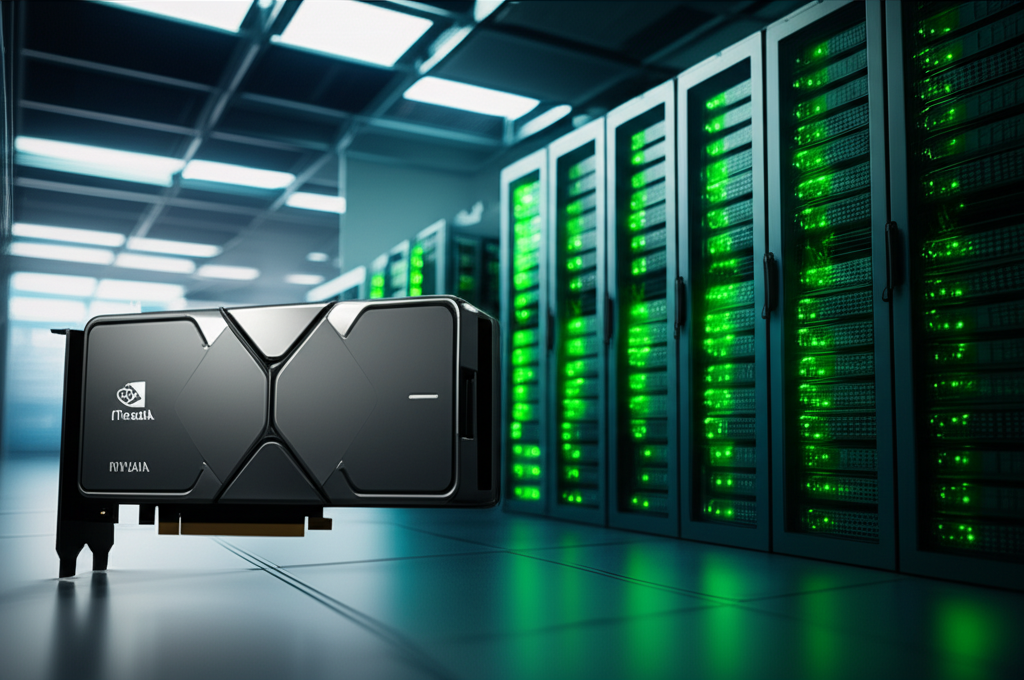
The shortage is already rippling through the industry. Major memory producers are reallocating production lines toward the advanced high-bandwidth memory (HBM) chips required by AI accelerators from companies like NVIDIA, leaving less capacity for the conventional memory used in consumer products.
How AI Is Reshaping Chip Production
NVIDIA’s explosive growth in data-center GPUs has created unprecedented demand for specialized memory. These AI systems require massive amounts of high-speed memory to handle the parallel processing of large language models and other neural networks. As a result, memory manufacturers including Samsung are shifting output toward these premium products.
Samsung, one of the world’s largest memory chip makers, has been rapidly expanding production of HBM chips to meet contracts with NVIDIA and other AI leaders. Industry reports indicate that this reallocation is deprioritizing older, lower-margin DRAM and NAND components that remain essential for smartphones, cars, appliances and PCs.
The Bloomberg report notes that meeting this exponential demand may prove both extremely expensive and, in some cases, physically impossible in the near term due to manufacturing constraints and the long lead times required to build new fabrication facilities.
Price Pressure Across Consumer Devices
Analysts warn that the memory crunch will translate into higher prices for a wide range of products. Smartphones — from budget Android devices to premium flagships — laptops, tablets and automobiles all rely heavily on the very memory components now in short supply.
Rising memory costs could make low-end devices economically unsustainable for electronics companies, according to Counterpoint Research. Some forecasts suggest computer and smartphone prices could rise by as much as 20% this year as manufacturers pass on increased component costs.
The automotive sector is particularly exposed. Modern vehicles contain dozens of electronic control units that depend on memory chips for everything from infotainment systems to advanced driver-assistance features. During the pandemic, automakers already shifted focus toward higher-margin luxury vehicles; the current memory shortage may accelerate that trend, further limiting availability of more affordable models.
Competitive Dynamics and Industry Response
The situation highlights the growing tension between the AI boom and the broader electronics ecosystem. While NVIDIA and hyperscale cloud providers drive massive revenue for memory suppliers through high-margin AI contracts, consumer electronics brands and automakers face squeezed margins and potential product delays.
Samsung and other memory manufacturers are investing heavily in new capacity, but the specialized nature of HBM production means new fabs cannot quickly pivot to alleviate shortages of standard memory chips. The capital expenditure required to expand production at the scale demanded by AI is substantial, contributing to the expectation of sustained price pressure.
Impact on Developers, Users and the Industry
For consumers, the memory shortage means the long trend of getting more computing power for less money may be interrupted. Everyday devices could become noticeably more expensive without corresponding improvements in features or performance.
Developers building AI-powered applications on consumer hardware may face higher costs for testing and deployment across target devices. The consumer electronics industry, which has relied on steadily declining memory prices, must now adapt to a new reality where AI demand sets the pace for component availability and pricing.
The situation also underscores the concentrated nature of the memory industry, where a handful of players like Samsung dominate production. This concentration amplifies the impact when demand from one sector — in this case AI — surges.
What's Next
The memory crunch is expected to continue pushing up prices for computers, smartphones, tablets and cars through at least 2026. Industry watchers will be closely monitoring new fab investments and whether memory suppliers can balance AI demand with the needs of the broader electronics market.
Longer term, the industry may see greater differentiation between AI-optimized devices and standard consumer products, with pricing reflecting the underlying memory cost differences.
Sources
- Bloomberg Graphics: Why the AI Boom Will Make Phones, Cars and Electronics More Expensive
- Rest of World: AI is dominating the world’s memory chips. That could make phones more expensive
- Popular Mechanics: The AI Boom Will Make Tech More Expensive in 2026
- KOMO News: AI boom strains chip supply, pushing PC and smartphone costs up by 20% this year