
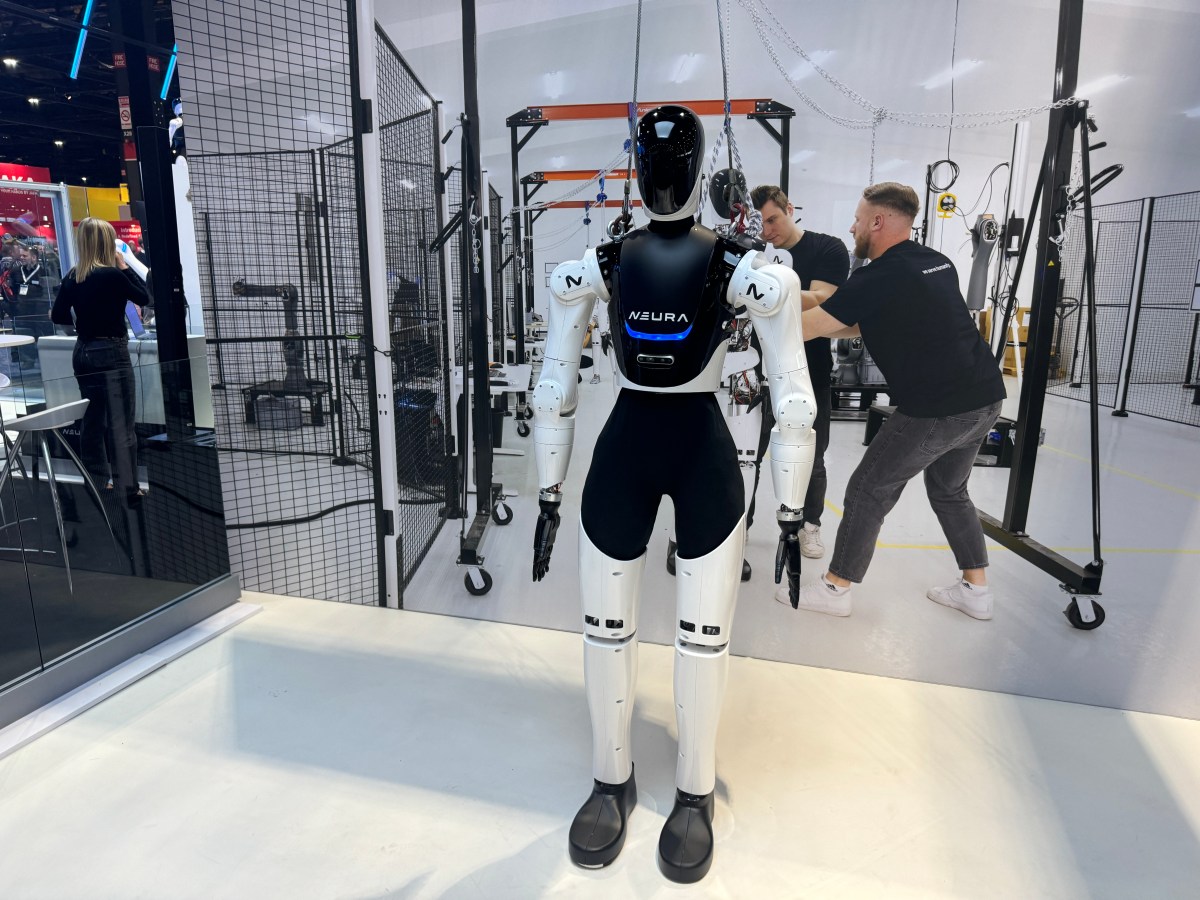
Qualcomm Partners with Neura Robotics to Build Next-Gen Physical AI
Key Facts
- What: German robotics startup Neura Robotics announced a long-term strategic collaboration with Qualcomm Technologies to develop next-generation robotics and physical AI platforms.
- When: The partnership was announced on Monday, March 9, 2026.
- Technology: Neura will use Qualcomm’s Dragonwing Robotics IQ10 processors as reference designs and its Neuraverse simulation platform (released June 2025) to test and optimize robots running on the chips.
- Focus: Accelerating deployment of humanoid and general-purpose robots for both domestic and industrial environments by building the “brain and nervous system” of physical AI systems.
- Context: Latest example of robotics startups partnering with major hardware and AI companies, following Boston Dynamics’ January 2026 tie-up with Google DeepMind.
Lead paragraph
German robotics startup Neura Robotics has formed a strategic collaboration with semiconductor giant Qualcomm to advance physical AI and cognitive robotics, the companies announced Monday. The partnership will integrate Qualcomm’s Dragonwing Robotics IQ10 processors with Neura’s hardware platforms and embodied AI software stack, aiming to create scalable, real-world robots capable of safe operation alongside humans in homes and factories. This deal represents the latest coupling between robotics innovators and established tech hardware providers as the physical AI sector heats up.
Body
The collaboration focuses on combining Neura’s cognitive robotics platforms and Neuraverse ecosystem with Qualcomm’s leadership in edge AI, connectivity, and specialized robotics processors. Specifically, Neura will adopt the Dragonwing IQ10 series — unveiled by Qualcomm at CES 2026 — as reference designs for its next-generation robots, including autonomous mobile robots (AMRs) and humanoids.
Neura’s Neuraverse robotic simulation and training platform, released in June 2025, will play a central role by allowing developers to test and fine-tune AI models on virtual versions of robots running Qualcomm’s IQ10 hardware before physical deployment. This closed-loop approach is expected to speed development cycles and improve safety and performance in real-world conditions.
“This collaboration marks a major step toward making physical AI real: open, scalable, and trusted,” said David Reger, CEO and founder of Neura Robotics, in the official press release. “By bringing together our cognitive robotics platforms and the Neuraverse ecosystem with Qualcomm Technologies’ leadership in edge AI and connectivity, we’re aiming to accelerate a future where cognitive robots operate safely alongside humans across industries and throughout everyday life.”
The announcement aligns with a growing trend of deep partnerships between robotics companies and larger technology providers. In January 2026, Boston Dynamics revealed a strategic partnership with Google DeepMind to accelerate development of its Atlas humanoid robot by leveraging DeepMind’s AI foundational models. While the Boston Dynamics-DeepMind deal centers on software models and Neura-Qualcomm focuses on specialized silicon and edge computing, both reflect the same underlying strategy: robotics firms are increasingly choosing close collaboration over traditional vendor-customer relationships.
According to the TechCrunch report, this approach allows robotics companies with strong software expertise to reach market faster and at lower cost by tapping into hardware partners that have already solved complex engineering challenges, such as building highly dexterous robotic hands or efficient power and thermal management systems. In return, companies like Qualcomm gain intimate insight into how their processors are being used in cutting-edge robotic applications, helping them refine future generations of chips.
The deal arrives as the physical AI market attracts increased attention from major semiconductor and AI players. Nvidia, in particular, has signaled strong interest in physical AI as the next major growth area for its technology. Industry observers expect a wave of similar partnerships as chipmakers and AI infrastructure companies seek early seats at the table in shaping how their hardware and software are deployed in embodied systems.
Impact
For developers and robotics companies, the Qualcomm-Neura partnership signals greater availability of optimized, production-ready reference designs that reduce the heavy lifting required to move from prototype to commercial deployment. By providing pre-validated hardware-software integration, the collaboration could lower barriers for startups trying to scale humanoid and general-purpose robots beyond research labs.
For end users in industrial and domestic settings, the focus on safe, cognitive robots that can operate alongside humans could eventually translate into more capable warehouse automation, assistive home robots, and flexible manufacturing systems. Qualcomm’s emphasis on edge AI processing is particularly important, as it enables low-latency decision-making without constant reliance on cloud connectivity — a critical requirement for real-world safety and reliability.
The partnership also strengthens Qualcomm’s position in the rapidly evolving robotics processor market. Having already introduced a full suite of robotics technologies in January 2026 targeting everything from household robots to full-size humanoids, Qualcomm is clearly positioning its Dragonwing platform as a foundational “nervous system” for the physical AI era.
What’s Next
While no specific product timelines or joint robot models were disclosed in the Monday announcement, the companies described the collaboration as long-term. Industry watchers anticipate that early reference designs and simulation results from the Neuraverse platform could begin appearing in Neura’s development roadmap within the next 12-18 months.
As more major players like Nvidia, Intel, and traditional automation firms enter the physical AI space, additional high-profile partnerships are widely expected. The formula of pairing specialized robotics software and simulation platforms with powerful, efficient edge processors appears poised to become a standard playbook for bringing capable, affordable humanoid and general-purpose robots into everyday use.
The collaboration between Neura Robotics and Qualcomm underscores a maturing ecosystem where software-first robotics startups and established semiconductor leaders are recognizing the mutual benefits of deep technical integration rather than arm’s-length supply relationships.
Sources
- TechCrunch: Qualcomm’s partnership with Neura Robotics is just the beginning
- Qualcomm News Release: NEURA Robotics and Qualcomm Enter Strategic Collaboration to Advance Physical AI and Cognitive Robotics
- Qualcomm: NEURA Robotics and Qualcomm Enter Strategic Collaboration
- RoboticsTomorrow: NEURA Robotics and Qualcomm Enter Strategic Collaboration
- Qualcomm: Qualcomm Introduces a Full Suite of Robotics Technologies