
Headline: Laptop Prices Expected to Soar 40% as AI-Driven Memory Crunch Intensifies
Key Facts
- What: Industry analyst firm TrendForce forecasts midrange laptop retail prices could rise by approximately 40% due to surging costs of RAM, SSD storage, and CPUs.
- Impact: A mainstream $900 laptop could climb to more than $1,200 as memory and processor components claim a larger share of the bill of materials (BOM).
- Cause: Explosive AI demand from companies like Nvidia, Microsoft, and Google is absorbing vast quantities of memory chips, driving up prices and tightening supply for consumer devices.
- Timeline: Price pressure is expected to intensify through 2025 and into 2026, with effects likely persisting beyond that period.
- Context: Combined memory and CPU costs in notebooks could rise from roughly 45% to nearly 58% of total BOM.
Lead paragraph
Laptop prices are set to increase sharply, with midrange models facing retail price hikes of around 40% as AI demand triggers a severe shortage of memory chips, storage, and processors, according to industry analyst firm TrendForce. A typical $900 notebook could climb to more than $1,200 as the combined share of memory and CPU costs within the bill of materials swells from about 45% to nearly 58%. The surge reflects the broader ripple effects of the artificial intelligence boom, which has seen major tech players consume record volumes of DRAM and other components.
Body
TrendForce’s analysis highlights how the AI industry’s voracious appetite for high-bandwidth memory is reshaping the economics of everyday computing devices. As hyperscalers and AI developers prioritize data center builds, consumer-facing markets such as laptops are experiencing the downstream consequences in the form of higher component prices and constrained supply.
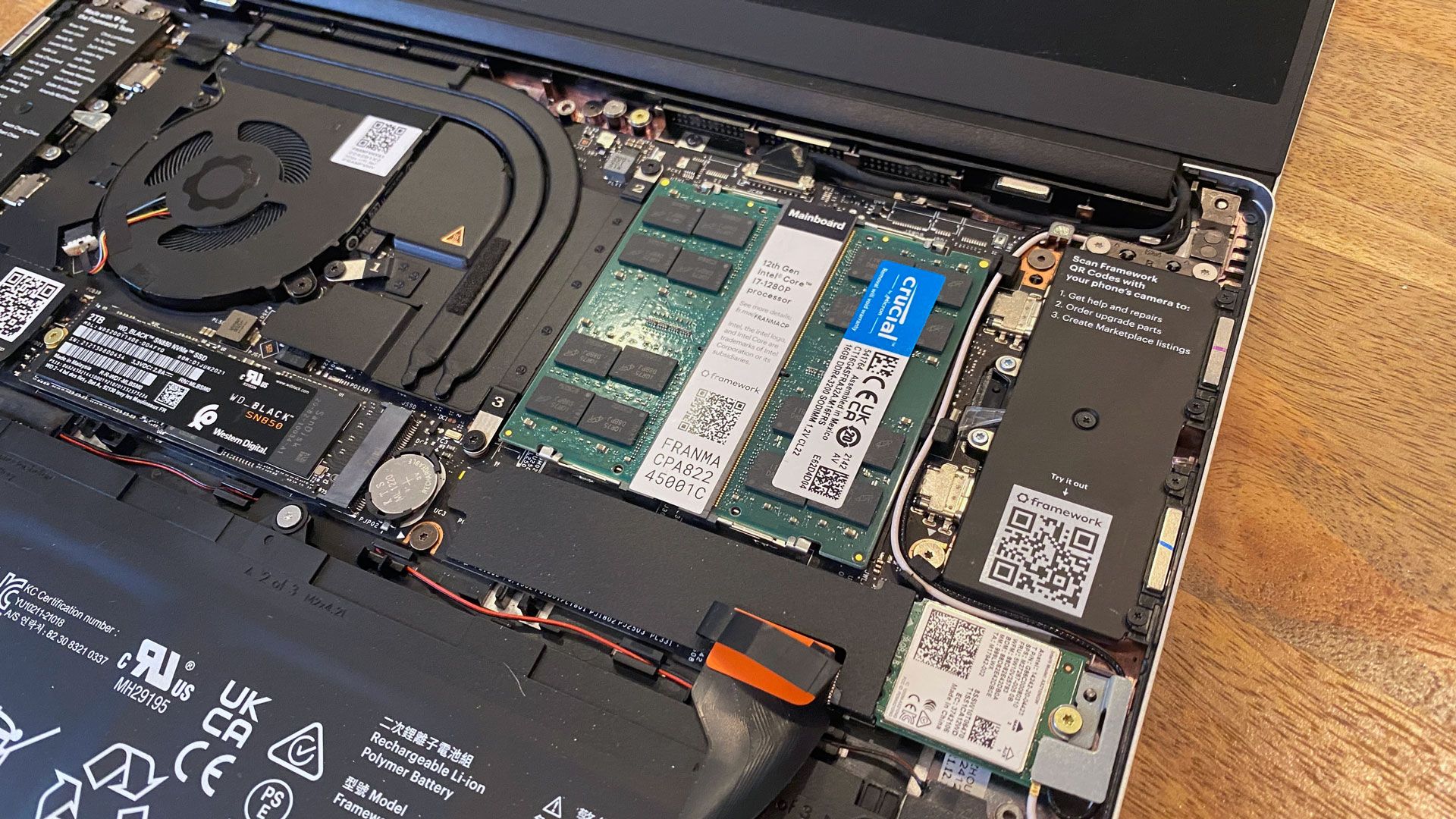
The memory crunch is not limited to a single component. DRAM prices have reportedly jumped 80% to 90% in recent months, according to data cited by Counterpoint Research. SSD and NAND flash costs are also climbing, while CPU prices continue to rise amid broader semiconductor supply chain pressures. When these increases are combined, TrendForce estimates the overall retail price impact on mainstream notebooks could reach 40%.
This dynamic is already visible in the premium segment. Kelt Reeves, president of boutique PC maker Falcon Northwest, told The New York Times that the cost of memory chips has tripled for his company, forcing price increases on high-end systems from approximately $5,800 to more than $7,000. “This isn’t a consumer-driven bubble,” Reeves said. “Nobody is expecting this to be a quick blip that’s going to be over with.”
Market Context and Competitive Landscape
The AI boom has created an unprecedented shift in component allocation. Companies such as Nvidia, Microsoft, and Google are securing massive volumes of memory to power training and inference clusters. This has left traditional PC and laptop manufacturers competing for a smaller pool of available chips, driving costs higher across the board.
Analysts warn that even if the AI investment cycle moderates, prices are unlikely to return to 2023-2024 levels quickly. “Once demand and supply have settled on higher pricing, it’s tough to bring that back down until there’s an increased amount of competition — something we’re not expecting anytime soon in established categories like phones and PCs,” said analyst Ubrani, as quoted in a Wirecutter report.
The situation is particularly challenging for midrange and entry-level laptops, which traditionally relied on cost efficiencies in memory and storage to keep retail prices accessible. As these components take up a much larger percentage of the total BOM, manufacturers will have limited options other than passing costs on to consumers or reducing specifications.
Impact Section
For consumers, the expected price surge means the era of relatively affordable laptops may be ending. Students, small businesses, and everyday users who depend on sub-$1,000 machines could face significantly higher costs, potentially slowing PC refresh cycles and affecting market growth.
Developers and IT departments planning fleet upgrades will need to budget for substantially higher per-unit costs. The price increases also come at a time when AI features are being integrated into consumer laptops, ironically making the devices more capable while simultaneously more expensive to acquire.
PC manufacturers face margin pressure as they navigate higher input costs. Some may attempt to offset the increases through design changes or by pushing higher-end configurations with better margins, but the overall direction for the industry points toward elevated pricing across the board.
The ripple effects extend beyond laptops. Similar pressures are expected to influence desktop PCs, gaming consoles, and even televisions that rely on the same memory and storage ecosystems.
What's Next
TrendForce and other analysts anticipate the supply-demand imbalance will persist through 2026, suggesting elevated laptop prices could become the new normal rather than a temporary spike. New memory production capacity is being added, but much of it is targeted at high-margin AI applications rather than consumer-grade components.
Industry watchers will be monitoring whether major foundries and memory suppliers can bring additional capacity online quickly enough to ease pressure on the PC market. However, given the continued massive investments in AI infrastructure, most forecasts suggest tight supply conditions will remain for the foreseeable future.
Consumers may see some relief if new competition emerges or if alternative memory technologies gain traction, but significant price reductions are not expected in the near term. For now, buyers are being advised to consider purchasing sooner rather than later if they need a new laptop within the next 12-24 months.
The situation underscores the growing interdependence between the AI sector and traditional consumer electronics markets. As AI continues to drive semiconductor demand, everyday technology purchases are increasingly subject to the economics of large-scale artificial intelligence deployment.
Sources
- Tom's Hardware - Laptop Prices Expected to Soar by Around 40% as AI Crunch Takes Hold
- Wirecutter / The New York Times - The Death of the Cheap Laptop Is Coming
- Wccftech - Laptop Prices Expected To Rise By 40% As Memory And CPU Prices Continue To Soar
- InfotechLead - Notebook Prices Could Jump 40% in 2026 as Memory and CPU Costs Surge
- The New York Times - How the A.I. Boom Could Push Up the Price of Your Next PC