
The short version
Laptop prices are expected to rise by about 40% for midrange models due to skyrocketing costs of key parts like memory (RAM), storage (SSDs), and processors (CPUs), driven by the huge demand from AI companies. A typical $900 laptop could soon cost over $1,200, according to industry analysts at TrendForce. This "AI crunch" means everyday buyers like you might pay more for your next computer, with no quick relief in sight.
What happened
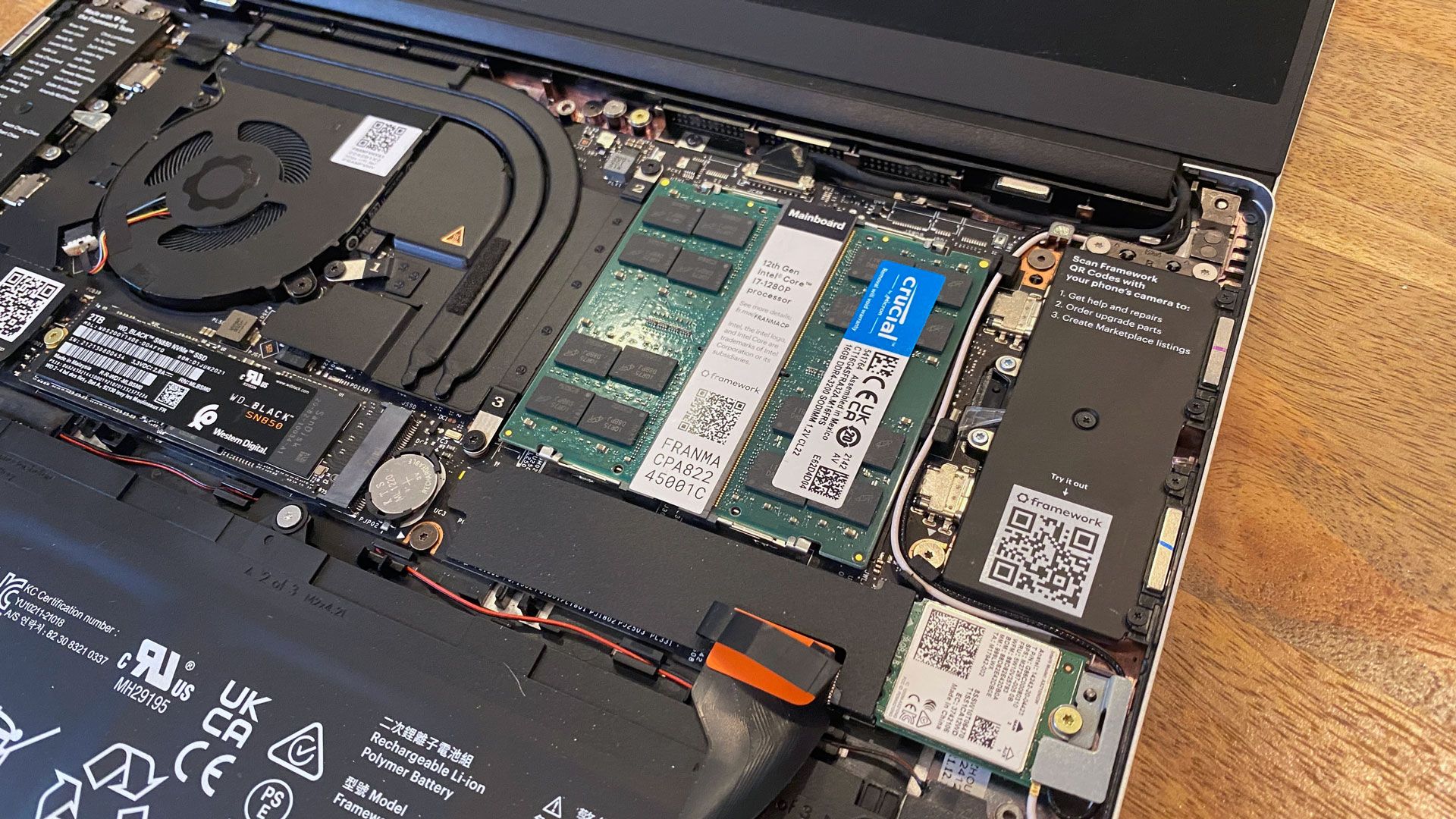
Imagine laptops as cars: the engine (CPU), the gas tank and trunk space (storage), and the brain that remembers your maps and music (RAM) are all getting way more expensive to make. Why? AI tech—like the systems powering ChatGPT or image generators—needs massive amounts of these parts to crunch huge piles of data super fast. Big players like Nvidia, Microsoft, and Google are snapping them up in record numbers, leaving less for regular laptops, phones, and even TVs.
Analysts at TrendForce say this squeeze is hitting midrange laptops hardest—the ones most people buy for work, school, or streaming. Right now, parts like RAM and SSDs make up about 45% of a laptop's total build cost. If prices keep climbing, that jumps to nearly 58%, pushing a $900 laptop's retail price up by around 40%—to more than $1,200. Other reports back this up: memory chip prices have already leaped 80-90% in some cases, and even high-end PC builders are hiking prices by thousands because they can't get enough chips.
It's not just talk—one custom PC maker told The New York Times their costs tripled, forcing them to charge $7,000 instead of $5,800 for top models. This isn't a short-term blip; AI's hunger for power is only growing, so supplies stay tight.
Why should you care?
This hits your wallet directly if you're in the market for a new laptop, phone, or gaming setup in the next couple of years. No more snagging a solid everyday computer for under $1,000—expect to shell out hundreds extra just to get the basics. Even if AI hype cools off, prices won't snap back fast because factories and suppliers have locked in these higher rates, and new competition isn't coming soon.
Think about your daily life: that back-to-school laptop for your kid, the work machine to replace your aging one, or the budget gaming rig for weekends. All could cost 30-40% more. TVs and consoles might follow suit. It's like gas prices spiking because truckers grabbed all the fuel—everyone else pays up.
What changes for you
- Budget shifts: A $900 midrange laptop (good for browsing, Zoom calls, light editing) jumps to $1,200+. Add tax and you're looking at real money—maybe skipping that upgrade or hunting deals harder.
- Fewer options: Shortages mean slimmer pickings. Popular models could sell out faster, forcing you to buy pricier alternatives or wait months.
- Ripple effects: Phones, desktops, and TVs get hit too. That family console or budget smartphone? Tougher to find cheap.
- Timing matters: If you need a laptop soon, buy now before 2026 hits full force (TrendForce eyes that year). Otherwise, brace for "harsh economics" over the next two years, as one expert put it—prices stay high even if AI demand eases.
- No AI perks for you: Ironic part? Most buyers won't get fancier AI features in these laptops. You're paying extra for parts that supercharge data centers, not your Netflix queue.
Regular folks aren't driving this—AI giants are. But you foot the bill.
Frequently Asked Questions
Will my current laptop be affected?
No, this is about new purchases. Your existing laptop keeps working fine, though if it's old, you might feel pressure to upgrade sooner as deals dry up. Prices only climb for fresh builds due to part costs—no software updates or fixes needed.
How soon will prices go up, and by how much exactly?
TrendForce predicts a 40% jump for midrange models by 2026 if memory, storage, and CPU prices keep rising, turning $900 laptops into $1,200+ ones. It could start sooner—DRAM memory is already up 80-90%—but exact timing depends on supply chains. Not confirmed for every brand or region yet.
Is this happening to all laptops, or just fancy AI ones?
Mostly midrange everyday laptops ($800-$1,000 range) that regular people buy. High-end gaming or pro models are already pricey, but even they face hikes. Budget super-cheap ones might dodge the worst, but options shrink overall.
Can I avoid the price hike—any tips?
Buy soon if you can, before shortages worsen. Look for last-gen models with stockpiled parts, shop sales, or consider refurbished. Long-term, more competition could help, but analysts say don't hold your breath for quick drops.
What if AI turns out to be a fad—will prices fall back?
Unlikely soon. Even if demand cools, suppliers stick to higher prices until big new competitors flood the market—which isn't expected for phones, PCs, or laptops. One expert compared it to supply settling at a new high; it doesn't "snap back" easily.
The bottom line
The AI boom is great for tech wizards building super-smart systems, but it's jacking up laptop prices by 40% for everyone else—turning your $900 everyday computer into a $1,200 splurge. Blame the scramble for memory chips and processors that AI gobbles up, leaving crumbs for consumer gear. If you're eyeing a new laptop, act fast or budget more; this crunch could last years, making tech less affordable when you need it most. Stay savvy—watch for deals and consider if your current setup can hang on a bit longer.