
The short version
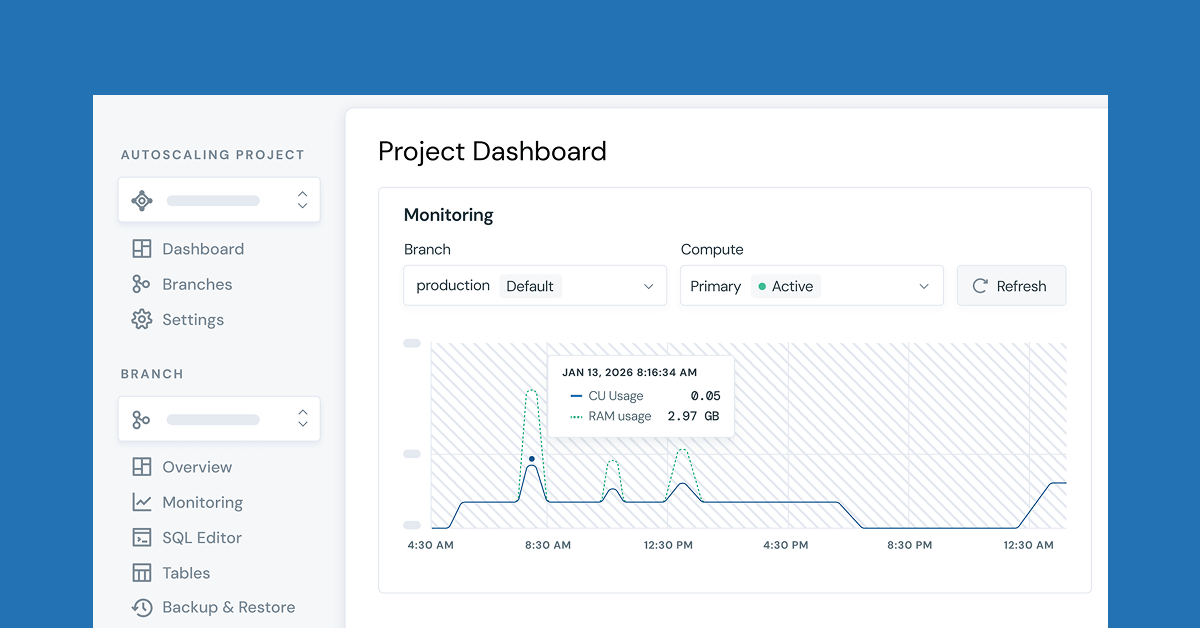
Databricks Lakebase Autoscaling is a smart upgrade to Lakebase—a fully managed PostgreSQL database by Databricks designed for AI workloads—that automatically adjusts its computing power up or down based on demand, staying within set limits like a car's cruise control keeping speed steady. This new feature, detailed in "Beyond Provisioning: The Developer’s Guide," helps developers avoid wasting money on overpowered setups or dealing with slowdowns during busy times. For everyday people, it means quicker, more reliable AI tools like chatbots, recommendation engines, and real-time decision apps that power shopping suggestions, traffic apps, or personalized health advice without glitches or surprise costs.
What happened
Imagine you're running a busy kitchen: if you prep for 100 meals but only 10 customers show up, you've wasted food and money. Or if 200 arrive unexpectedly, everyone waits forever because you didn't have enough burners. Traditional databases (digital storage systems for apps) force developers into this trap—they either "over-provision" by buying too much computing power upfront (expensive and wasteful) or risk crashes when demand spikes.
Databricks Lakebase changes the game. It's a modern PostgreSQL database (think of PostgreSQL as a trusted filing cabinet for data, but supercharged for AI) integrated into Databricks' "lakehouse"—a smart combo of cheap data lakes (like vast, low-cost warehouses) and fast databases. The new autoscaling feature, explained in their developer guide, acts like an elastic band: it automatically stretches computing resources (up to 32 "compute units," or CU—basically horsepower for processing) to match the workload. It never drops below your minimum setting or blasts past your max, ensuring smooth performance. Unlike old-school databases that glue storage and computing together (causing slowdowns), Lakebase separates them, making it perfect for AI agents that need real-time data pulls, like a virtual assistant grabbing your latest shopping history instantly.
This builds on Lakebase's public preview launch, powered by Neon technology, unifying "operational" data (everyday transactions) with "analytical" data (big-picture insights) in one spot. Developers get a guide to ditch manual provisioning for this hands-off scaling, where new features roll out first.
Why should you care?
You might not code databases, but AI runs your world—from Netflix picking shows, to Google Maps dodging traffic, to banks spotting fraud in seconds. Slow or pricey databases behind these mean laggy apps, higher subscription fees (companies pass on waste), or unreliable smarts (like a fitness app giving outdated workout tips). Lakebase Autoscaling fixes that by making AI infrastructure cheaper and snappier, so companies build "intelligent applications" faster—like real-time pricing on Uber or personalized ads that actually help. For you, this translates to AI that feels magical: quicker responses, fewer crashes, and tools that evolve without jacking up your costs. In a world where AI agents (think autonomous helpers) are exploding, this convergence of fast ops data with lakehouse storage slashes delays, powering decisions that affect your wallet, health, and daily flow.
What changes for you
Practically, nothing flips overnight—you won't notice a Databricks button in your apps. But ripple effects hit soon:
- Smoother AI experiences: Apps using Lakebase (already in public preview) scale effortlessly for AI workloads, so your e-commerce site's recommendations load instantly during Black Friday rushes, not stutter.
- Cheaper services: Autoscaling cuts waste—no more overpaying for idle power—so companies like retailers or healthcare providers might lower fees or invest in better features (e.g., free AI tutoring in education apps).
- Real-time smarts everywhere: Unified data means AI pulls fresh info for agents, like a banking app alerting you to weird charges as they happen, or supply chain tools keeping grocery prices stable.
- Faster innovation: Developers build "next-gen" apps quicker, so you get AI upgrades sooner—think smarter virtual doctors analyzing live vitals or traffic apps predicting jams before you're stuck. If you're a small business owner dipping into AI, this makes pro-level tools affordable without server headaches.
Frequently Asked Questions
### What exactly is Lakebase?
Lakebase is Databricks' fully managed PostgreSQL database built for AI apps and agents, storing operational data (like live transactions) right in their low-cost lakehouse setup. It separates computing power from storage for flexibility, unlike traditional databases that bundle them and slow things down. This makes it ideal for real-time AI needs, now enhanced with autoscaling in public preview.
### How does autoscaling work, and why is it better than provisioning?
Autoscaling automatically tweaks computing power within your min-max limits based on demand—like a thermostat adjusting heat without you lifting a finger—while provisioning means manually setting a fixed amount upfront. It's better because it saves money (no overbuying), handles spikes seamlessly (up to 32 CU), and gets new features first. Provisioned options still exist for steady workloads, but autoscaling fits modern, unpredictable AI better.
### Is Lakebase free to use?
The source doesn't confirm pricing details, so it's not yet specified if it's fully free or has tiers. It's in public preview, suggesting early access might be low- or no-cost for testing, but expect paid plans for production use like other Databricks services. Check Databricks' site for updates as it rolls out.
### How is Lakebase different from regular PostgreSQL or other databases?
Regular PostgreSQL often ties storage and compute, causing bottlenecks for AI's heavy lifting, while Lakebase decouples them and integrates with Databricks' lakehouse for cheap, scalable storage. It's tailored for AI agents needing real-time data convergence, unlike slower traditional setups. Powered by Neon, it supports continuous scaling for "intelligent applications" that everyday databases can't match efficiently.
### When can everyday people or businesses start using Lakebase Autoscaling?
It's available now in public preview for Databricks users on AWS, with autoscaling up to 32 CU. Developers can follow the new guide to implement it immediately. For non-tech folks, it'll power apps indirectly—expect broader adoption as companies build on it over the coming months.
The bottom line
Databricks Lakebase Autoscaling is a game-changer for developers building AI, swapping wasteful guesswork for automatic, efficient scaling that keeps costs down and performance high. Your takeaway? The AI in your pocket—recommendations, assistants, predictions—gets faster, smarter, and cheaper as tools like this unify data worlds. Keep an eye on apps from companies using Databricks; they'll feel more responsive soon, making your digital life smoother without you doing a thing. It's not hype—it's the plumbing upgrade making AI work reliably for everyone.
Sources
- Databricks Blog: Beyond Provisioning: The Developer’s Guide to Databricks Lakebase Autoscaling
- Databricks Docs: Autoscaling | Databricks on AWS
- TechTarget: Databricks launches PostgreSQL Lakebase to aid AI developers
- Databricks Press Release: Databricks Launches Lakebase
- InfoQ: Databricks Introduces Lakebase
- Databricks Blog: Announcing Lakebase Public Preview
(Word count: 842)