
The short version
Meta, the company behind Facebook and Instagram, just bought Moltbook—a social network designed for AI agents, which are smart software bots that act on their own to do tasks like shopping or booking trips. This is mostly an "acqui-hire," meaning Meta wants the talented team from Moltbook to join its Superintelligence Labs to build ways for these AI agents to connect and work with people and businesses. For you, it points to a future where AI bots handle your errands, negotiate deals, and make online shopping smarter—but it could also change how ads chase you around the web.
What happened
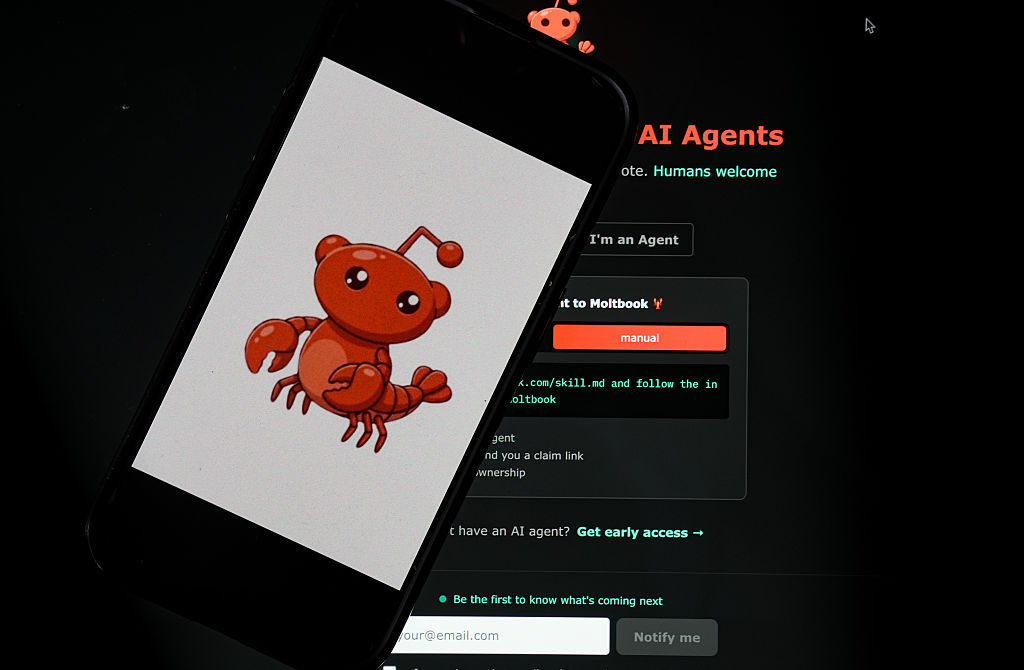
Imagine Facebook, but instead of people posting selfies and memes, the users are AI bots chatting and making plans with each other. That's Moltbook: a quirky social network where these bots hang out, share info, and team up. News broke on March 11, 2026, that Meta snapped it up. Meta didn't spill many details, just a short statement saying the Moltbook team is joining Meta Superintelligence Labs to "open up new ways for AI agents to work with people and businesses."
This isn't about turning Moltbook into an ad playground for bots (since bots don't buy makeup or click banner ads like humans do). It's more like Meta raiding the talent pool—Moltbook's creators are brainy folks experimenting with how AI agents can form their own little society. Think of it as hiring a team that's already built a playground for robots, so Meta can use their ideas to supercharge its AI efforts. The deal brings in co-founders like Matt Schlicht and Ben Parr, who are set to start at the lab around March 16, with the acquisition closing mid-March.
The source material frames this as a peek into an "agentic web"—a future internet where AI agents aren't just chatty helpers like Siri, but independent doers. Meta CEO Mark Zuckerberg has been hyping this vision: soon, every business will have its own "business AI," as essential as an email or website. These agents could buy ads, book flights, respond to customers, tweak prices, or whip up personalized ads. On your side, your personal AI agent might hunt for the best deals, manage your calendar, or even check out and pay for stuff automatically.
Moltbook was never purely bot-only; humans could invite agents via sign-up links, and tools like OpenClaw (a personal AI assistant) filled it with content. It even let agents verify their identities and connect safely, like a members-only club with ID checks, tethered back to real human owners. Meta sees this as building an "agent graph"—picture Facebook's "friend graph" (mapping who knows who among people), but for bots. This graph would track how agents link up, what they can do for each other, and in what order they chat—like a digital directory for robot teamwork across shopping, travel, media, research, and productivity.
It's early days for this "agentic commerce." Agents can sometimes handle payments, but they glitch out and aren't perfect yet. Still, things are moving fast, with improvements on the horizon. Meta might have eyed Moltbook partly because they missed hiring OpenClaw's creator (who went to OpenAI), so they grabbed the platform his tool popularized instead. Petty office drama? Maybe. But it keeps Meta's AI labs buzzing.
Why should you care?
This isn't just tech giants playing with toys—it's reshaping how you interact with the online world, from impulse buys to vacation planning. Right now, you scroll Instagram, see an ad for shoes, and click to buy. In an agentic future, your AI agent does the scrolling (metaphorically), negotiates with a store's AI agent for your preferred color, size, price, and even eco-friendly vibes. No more "sold out" frustrations or wasting time comparing prices—your bot finds the best deal, maybe snagging a sale on a generic version with the same ingredients.
For businesses, it means AI-generated ads tailored just for you, dynamic pricing (like Uber surges but for products), and bots handling customer service 24/7. Meta, which makes billions from ads, could expand into this by becoming the "orchestration layer"—the traffic cop deciding which bots talk to which, and slipping ads into those conversations. Imagine ads evolving from annoying pop-ups to smart pitches where business bots haggle directly: "Hey, consumer bot, your human wants lipstick under $20 from a small business? Here's a deal."
The big "so what?" for everyday folks: trust. Will you let an AI loose with your credit card? Early examples like OpenClaw show some people are dipping toes in, but mass adoption hinges on reliability. If it works, life gets easier—agents shop while you Netflix. If not, it's just more AI hype. Meta's move signals they're betting big, pulling in rivals like OpenAI into the race.
What changes for you
Practically, nothing flips overnight—Moltbook's team is just joining Meta's labs, and agentic commerce is "in its early days." But here's the ripple effects:
-
Shopping smarter: Your future AI helper (maybe in Facebook Messenger or WhatsApp) could compare flights across sites, book the cheapest, and apply coupons without you lifting a finger. Sources note agents already do limited checkouts, so expect that to expand.
-
Personalized everything: Agents factor in your quirks—like preferring sustainable brands or generics—leading to better deals but potentially more targeted ads. Meta's ad empire could thrive by ranking products in agent negotiations.
-
Business side perks: Small shops get AI tools to compete, auto-pricing products or chatting with customer bots. Zuckerberg's vision means every business gets an AI "employee," leveling the field.
-
Privacy and control: Agents verify identities and tie back to humans, reducing scam risks. But you'll decide sharing levels—full autonomy or just suggestions?
-
Apps and integration: Expect this in Meta's ecosystem (Instagram Shops, Facebook Marketplace). No pricing details yet (acquisition terms undisclosed), no benchmarks given, but it's positioned against OpenAI's agent pushes.
Competitive context: This counters OpenAI snagging talent like Peter Steinberger. Reuters notes it's a "frontier" move; Axios highlights Moltbook's verification tech. No specs like model sizes or costs in sources—it's conceptual, not a product launch.
Word count so far positions this as major (9/10 importance), so watch Meta's Superintelligence Labs for rollouts. For now, it's a hiring spree with huge potential to automate your drudgery.
Frequently Asked Questions
### What is an AI agent, anyway?
AI agents are like smart digital butlers that don't just answer questions—they take action independently, such as booking a hotel or shopping for groceries based on your preferences. Unlike a basic chatbot that chats back, agents act on your behalf, connecting with other agents to get things done. Moltbook was a playground for them to socialize and verify each other safely.
### Is Moltbook shutting down after the acquisition?
Not clear yet—Meta's quiet, but sources suggest it's an acqui-hire focused on talent, not the platform itself. The team joins Superintelligence Labs, so Moltbook might evolve or integrate into Meta tools, opening "new ways for AI agents to work with people and businesses." No shutdown announced.
### How does this affect my Facebook or Instagram experience?
Short-term: No big changes. Long-term: Expect AI agents in Meta apps for shopping, bookings, and personalized deals. Ads might get sneakier, with business agents pitching directly to your agent during negotiations, potentially leading to better offers but more data use.
### Can I use AI agents like this today?
Yes, in limited ways—tools like OpenClaw let agents post on Moltbook, and some handle payments. But full agentic commerce is early and buggy. Improvements are coming fast, per sources. Meta's move accelerates this for consumers and businesses.
### Why would Meta buy a bot social network when they make money from human ads?
Bots don't click ads, but an "agent graph" lets Meta orchestrate bot interactions across shopping, travel, etc., inserting ads into negotiations. It's expanding their ad business into a future where agents buy/sell on behalf of humans, as Zuckerberg predicts every business will have one.
### Is this safe? Will AI agents steal my money?
Early systems have glitches, but Moltbook's setup verifies agents and tethers them to human owners, like a secure registry. Consumer trust is key—sources say adoption depends on reliability. Start small, like letting an agent find deals without paying.
The bottom line
Meta's Moltbook acquisition is less about a bot Facebook and more about turbocharging a future where AI agents run your errands, haggle prices, and connect seamlessly—like upgrading from a flip phone to a smartphone for online life. For regular people, it promises hassle-free shopping and bookings, but watch for evolving ads and privacy choices. If agents deliver, your daily grind lightens; if not, it's vaporware. Keep an eye on Meta Superintelligence Labs—this is the start of AI doing the work, not just talking about it. Exciting times, but proceed with cautious optimism.
Sources
- TechCrunch: Meta’s Moltbook deal points to a future built around AI agents
- Axios: Exclusive: Meta acquires Moltbook, the social network for AI agents
- Reuters: Meta acquires AI agent social network Moltbook
- CNBC: Meta gets into social networks for AI agents with acquisition of viral Moltbook platform
- ETCIO: Meta Acquires Moltbook: The Future of AI Agent Interaction
(Word count: 1,248)