
The short version
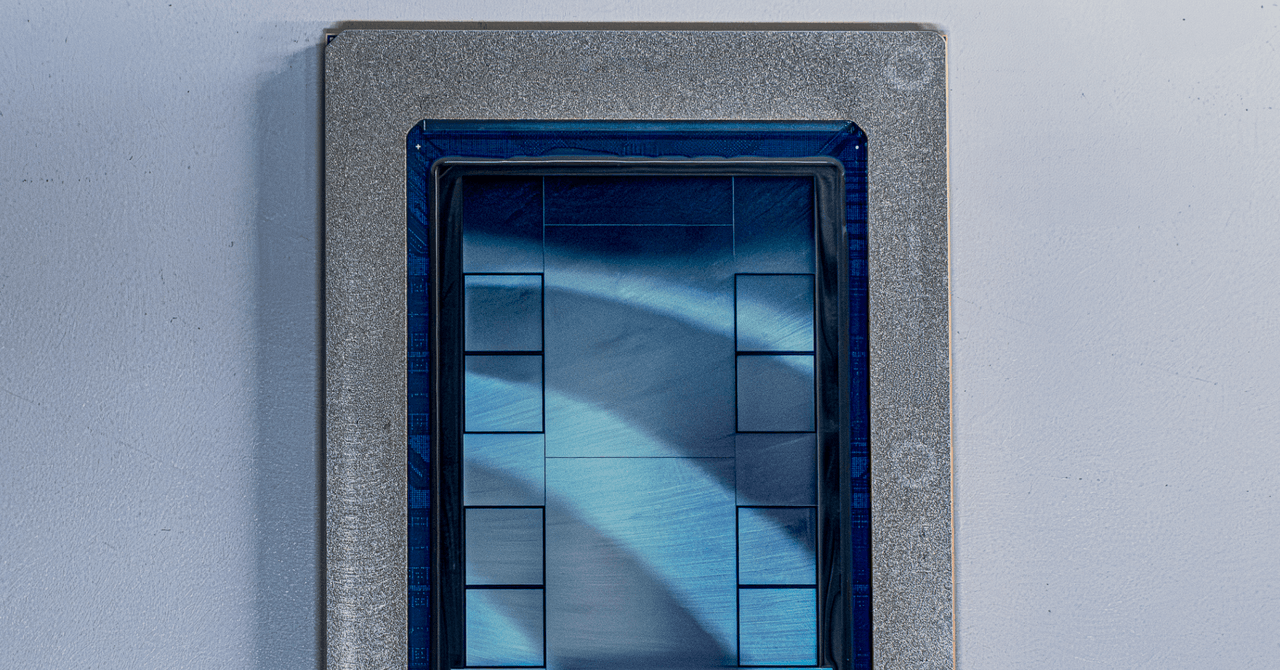
Meta, the company behind Facebook and Instagram, just announced four new custom computer chips called MTIA (Meta Training and Inference Accelerators) to power its AI features and content recommendations. These chips, developed with Broadcom and made by Taiwan Semiconductor, include the MTIA 300 (already in production for training recommendation algorithms), MTIA 400 (coming soon for running AI outputs like text or images), MTIA 450 (double the memory of the 400, shipping early 2027), and MTIA 500 (even more memory with low-precision data innovations, late 2027). This move helps Meta build faster, cheaper AI for your feed—meaning smoother apps, smarter suggestions, and possibly better AI tools without relying only on pricey chips from companies like Nvidia.
What happened
Imagine your Facebook or Instagram feed as a giant recipe book where AI is the chef constantly picking the best recipes (posts, videos, ads) just for you out of billions of options. To make that happen super fast, Meta needs powerful computer brains—called chips—that can crunch massive amounts of data. Normally, tech giants like Meta buy these chips from specialists like Nvidia, kind of like ordering takeout because cooking from scratch is hard.
But Meta said "no more" and cooked up their own. On Wednesday, they unveiled four new chips in their MTIA family, partnering with Broadcom for design and Taiwan Semiconductor (TSMC, the world's top chip factory) for building them on open-source RISC-V tech (think of RISC-V as a free blueprint anyone can tweak, unlike proprietary ones from Nvidia).
Here's the lineup, straight from the announcement:
- MTIA 300: Already in production. It's built for training—teaching AI how to rank and recommend content for your feed. Meta uses this for Deep Learning Recommendation Models (DLRMs), powering suggestions to hundreds of millions of users daily on Facebook and Instagram.
- MTIA 400: Tested and "competitive with leading commercial products" (Meta's words—no specific benchmarks shared yet). Designed for inference, which is like the AI chef serving up the final dish (generating text, images, or personalized outputs). Expected in data centers soon.
- MTIA 450: Double the high-bandwidth memory (think faster access to ingredients) compared to the 400. Ships early 2027.
- MTIA 500: Even more memory plus "innovations in low-precision data" (using simpler math for quicker, efficient AI runs without losing much accuracy). Arrives late 2027.
Why so fast? Chip development usually takes years, like building a custom house. But AI evolves quicker than that—models get smarter monthly. Meta VP YJ Song explained they're using an "iterative approach" with modular chiplets (like Lego blocks you snap together and upgrade piece by piece). Each generation learns from the last, incorporating fresh AI insights. This is rare for a social media company; Meta started with their first MTIA in 2023.
No pricing details were shared—these are for Meta's own use, not for sale. But context shows it's expensive: Meta just inked multibillion-dollar deals to buy chips from Nvidia and AMD, plus rent Google's. They're not ditching those; custom chips fill specific gaps, like recommendation workloads unique to Meta's apps.
This counters rumors from earlier this year that Meta was scaling back high-end chip dreams to compete directly with Nvidia. Instead, they're doubling down on a roadmap while still buying big from others. Other players like OpenAI are doing the same, partnering with Broadcom for custom accelerators.
Why should you care?
These chips aren't popping up in your phone tomorrow, but they supercharge the AI that runs your daily scroll. Think about it: Every "recommended for you" video, ad, or friend suggestion? That's AI trained and run on chips like these. Faster, custom hardware means Meta can handle more users without slowdowns, experiment with cooler AI (like generating images in Instagram or smarter chatbots), and keep costs down long-term.
For you, a regular person:
- Smarter feeds: Better recommendations = less junk, more stuff you love, saving you time.
- Reliable apps: No more lag during peak hours when billions log in.
- AI perks: Meta's pushing generative AI (creating text/images from prompts). Efficient chips make this cheaper and faster, potentially unlocking free tools in their apps.
- Broader ripple: If Meta succeeds, it pressures Nvidia's monopoly. Cheaper AI compute everywhere could mean lower prices for AI services you use, from chatbots to photo editors.
In a world where AI powers everything from your news feed to job search suggestions, Meta hoarding compute power (they're expanding data centers massively) keeps them competitive. Lose that edge, and your experience suffers—slower updates, worse personalization.
What changes for you
Practically, not much flips overnight, but here's the roadmap:
- Right now: MTIA 300 is live, improving how Facebook/Instagram rank content. You might notice subtly better feeds already.
- Soon (next few months): MTIA 400 hits data centers. Expect snappier AI inference—like quicker AI-generated replies in Messenger or image edits in Instagram.
- 2027: MTIA 450/500 ramp up memory and efficiency. This handles bigger AI models, so future features (e.g., hyper-personalized Reels or advanced AR filters) run smoothly even on your phone.
No app changes required—Meta handles the backend. Your electricity bill? Unaffected. Data privacy? Same as always (Meta's been using AI for recommendations for years). Costs? Indirectly, custom chips might slow Meta's spending spree on Nvidia, keeping subscription-free apps viable longer.
Competitive context: Meta's playing catch-up. Nvidia dominates AI chips, but custom silicon lets Meta optimize for their "ranking and recommendation ads models." Benchmarks? MTIA 400 claims parity with top commercial chips (likely Nvidia's), tested on five DLRMs. Earlier MTIAs doubled compute/memory bandwidth over priors. Meta CFO Susan Li noted these shine for their unique workloads—no one-size-fits-all from Nvidia works perfectly.
Downsides? It's risky and pricey—hence the Nvidia/AMD/Google buys. If they flop, delays in AI upgrades. But success means your social apps stay ahead.
Frequently Asked Questions
### Are these chips for sale to the public or other companies?
No, these MTIA chips are custom-built for Meta's own data centers and apps like Facebook and Instagram. They're not consumer products or available for purchase—you won't find them in stores or for your PC. Meta's goal is internal efficiency, not competing in the chip market like Nvidia.
### How do Meta's chips compare to Nvidia's?
Meta says the MTIA 400 delivers performance "competitive with leading commercial products" (implying Nvidia-level on key tasks like recommendation models). It was benchmarked on five Deep Learning Recommendation Models (DLRMs), outperforming prior generations with double compute and memory bandwidth. However, no head-to-head numbers vs. Nvidia were released, and Meta still buys billions in Nvidia hardware, so these fill niche gaps rather than replacing them entirely.
### When will I notice changes in Facebook or Instagram?
You might already see subtle improvements from the MTIA 300 in better content recommendations. Bigger wins come with MTIA 400 (soon), like faster AI features, and 450/500 in 2027 for handling massive models. No exact dates for app updates, but expect smoother, smarter feeds over the next 1-3 years as chips roll out.
### Why is Meta making its own chips instead of just buying from Nvidia?
AI needs are changing too fast for standard chips—by the time a new Nvidia chip arrives, Meta's AI workloads have evolved. Custom MTIAs use an iterative, modular design (like upgrading Lego sets) tailored to recommendations and generative AI. It's expensive, so they still buy from Nvidia/others, but this saves money long-term and powers unique features for your apps.
### Does this mean more ads or changes to my privacy?
Not directly—the chips optimize existing recommendation systems, including ads, which have run on AI for years. Focus is efficiency for better personalization, not more ads. Privacy policies stay the same; these backend upgrades don't access new data.
The bottom line
Meta's four new MTIA chips are a big step toward owning their AI destiny, making Facebook, Instagram, and future tools faster and smarter without fully depending on Nvidia. For you, it translates to a noticeably better daily experience: feeds that hit the spot, lag-free scrolling for billions, and innovative AI features rolling out quicker. While rollout stretches to 2027, this iterative strategy keeps Meta agile in the AI race—your apps win, and it might even push down costs industry-wide. Watch for feed tweaks soon; it's all about making your social life more enjoyable without you lifting a finger.
(Word count: 1,248)