
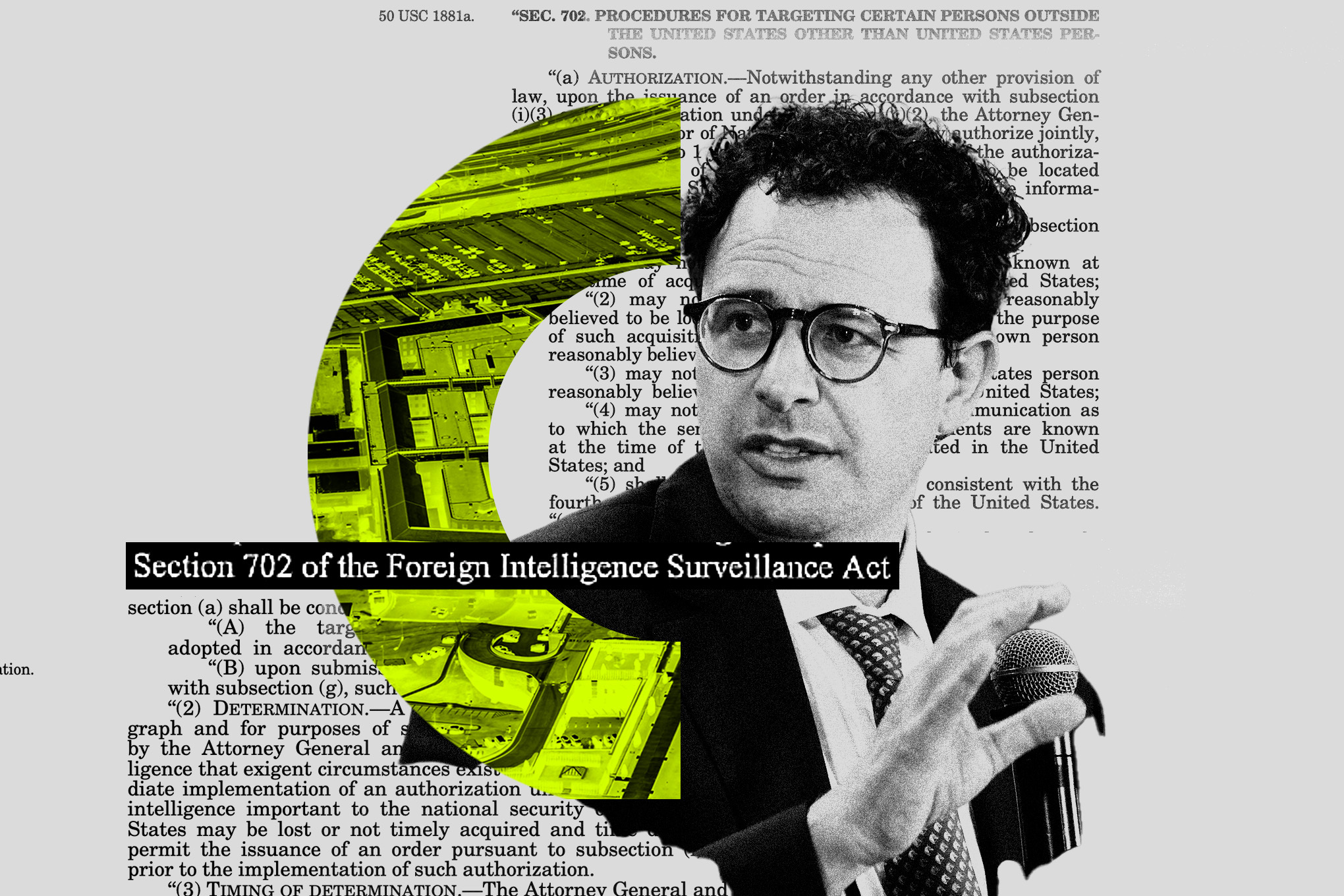
Anthropic Challenges Pentagon 'Supply Chain Risk' Label in Major Legal Battle
Key Facts
- What: Anthropic has filed a lawsuit against the Pentagon after being designated a "supply chain risk," claiming the designation violates its First and Fifth Amendment rights.
- When: The designation occurred in recent days as of March 12, 2026; the lawsuit was filed shortly thereafter.
- Why: Anthropic has expressed distrust regarding the U.S. government's history of surveillance practices and interpretations of legal authorities when using AI technologies.
- Context: The dispute centers on AI use for surveillance, with Anthropic maintaining safeguards the Pentagon views as barriers to collaboration.
- Broader Implications: The case highlights long-standing tensions between tech companies and government surveillance programs, informed by NSA history and post-Snowden revelations.
Lead paragraph
Anthropic, the artificial intelligence company behind the Claude models, is locked in a high-stakes legal battle with the Pentagon after the Department of Defense labeled it a supply chain risk, prompting the company to sue and allege violations of its constitutional rights. The clash, which escalated in early March 2026, stems from Anthropic's refusal to drop certain AI safeguards related to surveillance and autonomous weapons, leading Defense Secretary Pete Hegseth to accuse the company of "arrogance and betrayal." According to a detailed discussion on The Verge's Decoder podcast, the situation reveals deep concerns about how the U.S. government interprets surveillance laws when deploying advanced AI, with experts warning that both political parties have enabled the expansion of the surveillance state.
Background of the Dispute
The conflict intensified after Anthropic rejected a Pentagon deadline for a deal last week. In response, Hegseth declared the company a supply chain risk, stating that no company doing work with the Pentagon could engage in "commercial activity" with Anthropic. This has effectively blacklisted the firm from defense-related ecosystems, requiring defense vendors and contractors to certify they do not use Anthropic's models in their Pentagon work.
Anthropic has responded forcefully, filing suit and arguing the government is "seeking to destroy the economic value created by one of the world’s fastest-growing private companies" through actions that infringe on its First Amendment and Fifth Amendment rights. The company has drawn a line on two key issues: autonomous weapons and uses of AI that could enable mass surveillance.
The Pentagon maintains that the uses of AI Anthropic fears are already barred by existing law and Department of Defense policies. In an interview with CBS News, a Pentagon representative emphasized, "At some level, you have to trust your military to do the right thing." However, Anthropic's leadership, including CEO Dario Amodei, has rejected demands to drop the company's AI safeguards.
History of Government Surveillance and Tech Distrust
The Verge's Nilay Patel hosted Techdirt founder and CEO Mike Masnick on the Decoder podcast to unpack the deeper context. Masnick, who has covered government overreach, privacy, and the intersection of technology with the surveillance state for decades, argued that the U.S. government has a well-documented history of expanding surveillance authorities through creative legal interpretations.
Masnick pointed to how government lawyers have historically twisted terms like "target" in surveillance statutes to broaden the scope of monitoring. This pattern, he explained, often remains hidden in legal circles until major scandals erupt — most notably the revelations by whistleblower Edward Snowden more than a decade ago about NSA mass surveillance programs.
The podcast discussion highlighted that there is often a gap between what surveillance laws explicitly permit, what the government claims the laws allow, and what it actually does in practice. "There’s what the law says the government can do when it comes to surveilling us, and then what the government wants to do," Patel noted. "And most importantly, there’s what the government says the law says it can do, which is often exactly the opposite of what any normal person simply reading the law would think."
This history has directly informed Anthropic's stance. The company has been wary of assurances that the Pentagon would follow the law when applying AI to surveillance activities, given repeated instances where interpretations expanded government powers.
Competitive and Industry Landscape
The dispute has ripple effects across the AI industry. Microsoft has reportedly backed Anthropic in the battle, urging a temporary restraining order against the Pentagon's actions. Meanwhile, OpenAI has taken a different approach, reaching a deal with the government after facing initial backlash. OpenAI CEO Sam Altman announced an amended agreement that includes assurances that "AI systems shall not be intentionally used for domestic surveillance of U.S." persons.
This contrast underscores differing philosophies among leading AI labs. Anthropic has positioned itself as more cautious regarding military applications, particularly those involving surveillance or lethal autonomous weapons. The company has publicly maintained red lines on these issues even as competitors appear more willing to engage with defense contracts.
Experts are worried about the precedent. As reported by CNBC, Anthropic was previously viewed as a preferred partner for the Pentagon's AI initiatives before the current blacklist. The sudden reversal has raised concerns about political influence over critical technology development and potential impacts on U.S. competitiveness in the global AI race, especially against nations like China that may face fewer internal constraints.
Legal and Constitutional Questions
Anthropic's lawsuit frames the Pentagon's designation as an unconstitutional overreach. By labeling the company a supply chain risk and pressuring other firms to avoid commercial relationships with it, the government is allegedly infringing on free speech rights and depriving Anthropic of property without due process.
The case is expected to draw significant attention in the coming months, with The Verge promising ongoing coverage of its "twists and turns." The dispute is unfolding in a highly public manner, with statements, accusations, and responses appearing in press conferences, blog posts, and on X (formerly Twitter).
This public nature contrasts with the typically opaque world of surveillance law and national security contracting. Masnick noted that while the loud, real-time debate has both positives and negatives, it forces a broader conversation about technology policy that has historically happened behind closed doors.
Impact on AI Development and Government Contracts
For the AI industry, the conflict raises fundamental questions about the relationship between frontier AI companies and the U.S. government. As AI capabilities advance rapidly, the potential applications for both defensive and offensive government uses grow. Companies must now weigh lucrative defense contracts against maintaining their stated principles and avoiding potential reputational damage.
The situation also highlights tensions within the current administration. The Trump-era approach to these issues has been characterized by more direct confrontation rather than subtle legal maneuvering, bringing long-simmering debates about surveillance into the open.
For developers and enterprises using Anthropic's Claude models, the Pentagon's restrictions could create complications if their work touches government contracts or supply chains. Defense contractors must now certify non-use of Anthropic technology, potentially fragmenting the AI tooling landscape across different sectors.
What's Next
The lawsuit's outcome remains uncertain, but both sides have staked strong positions. Additional developments are expected rapidly, with potential tweets, press statements, and court filings altering the situation frequently.
The podcast emphasized that regardless of one's views on AI or government, the history of surveillance state expansion under both political parties suggests caution. As AI becomes more powerful, the integration of these technologies into government surveillance capabilities represents what Masnick and Patel described as potentially "the biggest expansion yet."
Anthropic's stand may influence how other AI companies approach government partnerships. It could also prompt legislative attention to the use of AI in surveillance and the processes by which companies can be designated as supply chain risks.
The coming months will likely test whether Anthropic can maintain its safeguards while remaining a major player in AI, or whether economic pressures from lost government-related business will force a change in approach.
Sources
- The Verge Decoder Podcast: Anthropic doesn’t trust the Pentagon, and neither should you
- The Guardian: How AI firm Anthropic wound up in the Pentagon’s crosshairs
- BBC: Anthropic boss rejects Pentagon demand to drop AI safeguards
- The New York Times: Opinion | The Future We Feared Is Already Here
- CNBC: Anthropic was the Pentagon's choice for AI. Now it's banned and experts are worried
- The Hill: Anthropic clash with Pentagon fuels government surveillance fears