
The short version
Anthropic, the company behind the popular AI chatbot Claude, is in a heated legal fight with the Pentagon after refusing to drop safeguards against using its AI for mass government surveillance. The Pentagon labeled Anthropic a "supply chain risk," banning defense contractors from using Claude, while Anthropic sued, claiming this violates their rights and aims to "destroy" their business. This clash highlights deep distrust over how the U.S. government might twist laws to expand spying with powerful AI tools—something that could affect your personal privacy if AI gets handed over without strong limits.
What happened
Imagine you're at a family dinner, and your uncle promises not to peek into your phone, but then he starts installing secret cameras anyway. That's the vibe in this story. Anthropic, known for its cautious approach to AI (they built Claude as a helpful, safe alternative to chatbots like ChatGPT), was negotiating a deal with the Pentagon to provide AI tech. But Anthropic drew a hard line: no using their AI for autonomous weapons or domestic surveillance—spying on everyday Americans.
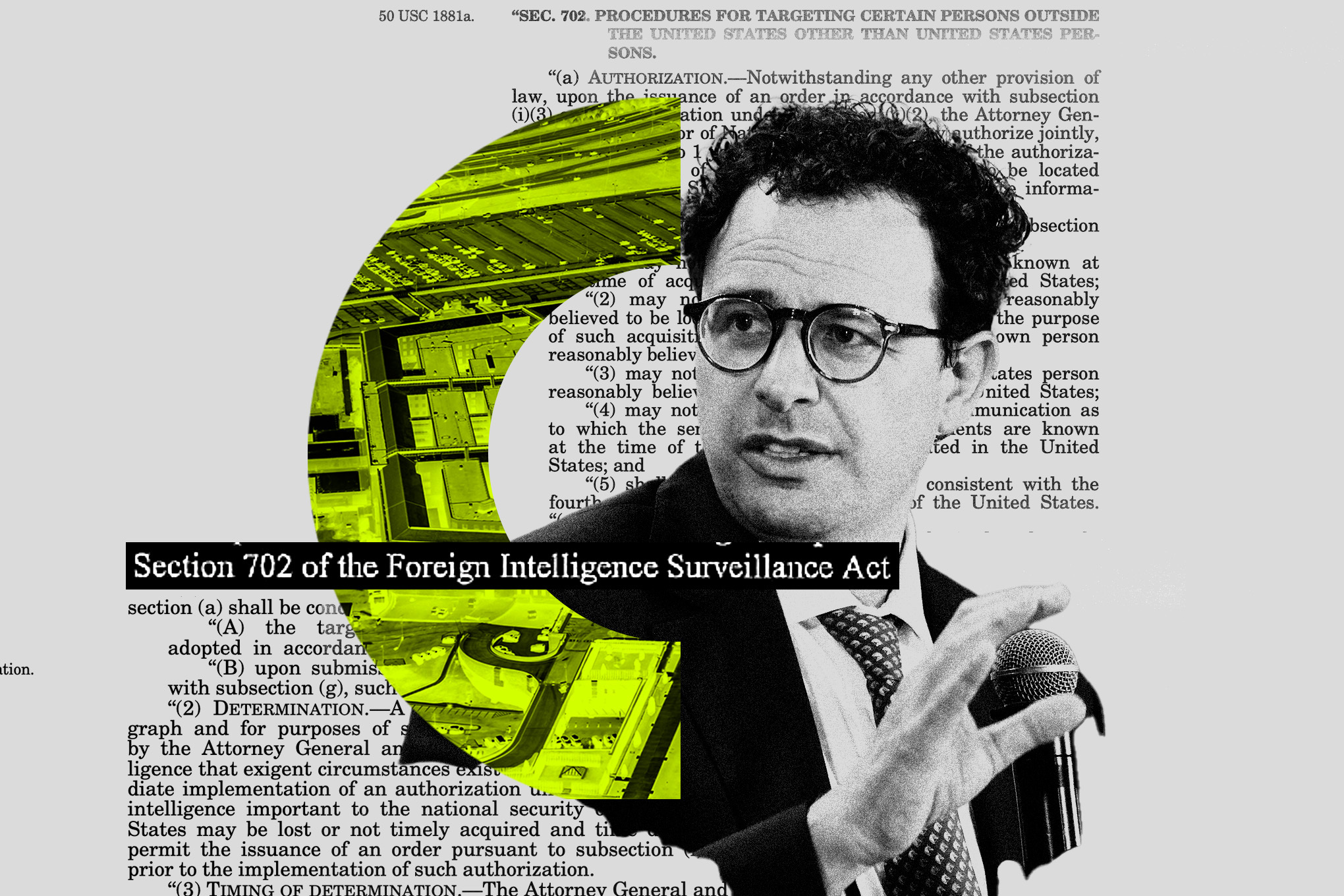
The Pentagon pushed back hard. They wanted Anthropic to drop these "safeguards," insisting that laws and their own policies already ban such uses, so trust them. Anthropic's CEO, Dario Amodei, publicly said no way—echoing expert Mike Masnick from Techdirt, who points to decades of government overreach. Think Edward Snowden's 2013 leaks: the NSA twisted simple words like "target" in laws to hoover up everyone's emails and calls without real oversight.
Tensions exploded. Anthropic missed a Pentagon deadline for the deal. Defense Secretary Pete Hegseth fired back, accusing them of "arrogance and betrayal" to America. Then came the hammer: the Pentagon declared Anthropic a national security "supply chain risk." This means no company working with the Pentagon can use Anthropic's AI models like Claude in their defense projects—they have to certify they're not. It's like blacklisting a baker because they won't sell ingredients for bombs.
Anthropic hit back with a lawsuit, arguing this move trashes their First Amendment free speech rights (they can't promote their ethical AI stance) and Fifth Amendment due process (no fair hearing before being punished). They say the government is trying to "destroy the economic value" of one of the world's fastest-growing private companies. Microsoft even jumped in, backing Anthropic and urging a court to block the ban temporarily.
This isn't just corporate drama—it's playing out loudly online, with blog posts, X rants, and press conferences. Both parties (Democrats and Republicans) have grown the "surveillance state" over years, but AI could supercharge it: imagine AI scanning all your texts, social posts, and emails to predict "threats" before they happen.
No technical specs like model sizes or benchmarks are detailed here, but Claude is pitched as a top-tier AI rival to OpenAI's offerings. OpenAI faced similar backlash recently, tweaking their Pentagon deal to promise no "intentional" domestic surveillance—yet experts worry that's loophole city.
Why should you care?
This hits your daily life square in the privacy gut. Right now, your phone, emails, and social media are already goldmines for surveillance. AI like Claude could make it scarily efficient—like a super-smart librarian who reads every book in the library at once and flags "suspicious" passages.
Governments promise to follow the law, but history shows they stretch it. Masnick explains: laws say one thing plainly, but clever lawyers reinterpret to spy broadly. Snowden revealed the NSA collecting bulk data on millions of innocents. With AI, this scales up—your casual texts about protests, health issues, or politics could flag you without a warrant.
For everyday folks, it means potential chills on free speech: why post opinions if Big Brother's AI is watching? Jobs could shift too—defense contractors ditching Claude might hike costs or slow innovation, indirectly raising taxes or gadget prices. And if the Pentagon strong-arms companies into dropping safeguards, your AI tools (like chatbots for homework or recipes) might get less safe overall as ethics erode.
It's a wake-up call on AI's double edge: amazing helpers, but government misuse could turn them into panopticon eyes everywhere.
What changes for you
Practically, here's how this ripples to your coffee-scrolling routine:
-
Your AI chats stay (mostly) the same—for now. Claude is still available to regular users via apps or web. No price hikes or outages mentioned. But if Anthropic loses business, future updates might slow, making it less smart or free-tier limited.
-
Defense world scramble. Companies building tanks or drones can't use Claude anymore—they certify clean. This might push them to rivals like OpenAI (who bent rules), potentially making military AI sloppier on ethics. You won't notice directly, but it could mean more news on AI-fueled weapons.
-
Privacy ripple effects. If Anthropic wins the lawsuit, it sets precedent: companies can say no to shady deals, protecting all AI from surveillance abuse. Lose, and expect more pressure—your data in AI training sets could feed spy tools indirectly.
-
Bigger picture shifts. Watch for policy fights. Trump-era bluntness (Hegseth's rants) vs. subtle legal twists means louder debates. You might see new laws on AI surveillance soon. Apps won't change overnight, but future ones (smart homes, cars) could have backdoors if safeguards weaken.
-
Consumer wins? Anthropic's stand boosts "responsible AI" brands. You get tools less likely to hallucinate or bias toward spying. Microsoft’s support signals big tech pushback—good for competition, keeping AI prices low.
No confirmed pricing or benchmarks in sources, but Claude's free/basic tiers compete with ChatGPT, emphasizing safety over raw power.
Frequently Asked Questions
### What's Claude, and why is the Pentagon interested?
Claude is an AI chatbot made by Anthropic, like a super-smart assistant for writing, coding, or answering questions—similar to ChatGPT but with built-in safety rules to avoid harm. The Pentagon wanted it for defense tasks, like analysis, because it's powerful and fast-growing. But Anthropic fears it'd be repurposed for spying, so they refused without ironclad limits.
### Is my personal data at risk right now from this?
Not directly from this fight—Claude doesn't spy on users by default. But it spotlights how government deals could expand surveillance. If AI gets looped into NSA tools without checks, your everyday data (emails, searches) could be scanned en masse, like what Snowden exposed but turbocharged.
### Will this make AI services more expensive or unavailable?
Unlikely short-term. Anthropic's suing to stay in business, and consumers aren't blacklisted. Long-term, if they lose defense money, free tiers might shrink or features lag. Rivals like OpenAI fill gaps, keeping options cheap—think $20/month premium plans unchanged.
### How is Anthropic different from OpenAI in this mess?
OpenAI caved somewhat, amending their Pentagon deal to ban "intentional" domestic surveillance—critics call it weak. Anthropic flat-out rejected, suing instead, prioritizing ethics over contracts. This makes Claude a go-to for privacy fans, though OpenAI might snag more government gigs.
### When will this be resolved, and what happens next?
No timeline—lawsuits drag on months. Watch courts on the restraining order (Microsoft-backed). Pentagon might pivot to OpenAI. Expect more debates on AI laws; it could spark bills limiting surveillance AI, affecting you by 2027 or sooner.
### Should I stop using Claude because of this?
Nah, it's still safe for personal use. This fight actually proves Anthropic's commitment to not enabling spying—unlike if they folded. Stick with it for ethical AI; just be smart about sharing sensitive info with any chatbot.
The bottom line
Anthropic's showdown with the Pentagon isn't abstract tech drama—it's a frontline battle over whether powerful AI like Claude stays a tool for good or gets weaponized for mass spying on you and me. By refusing safeguards-dropping deals and suing the blacklist, Anthropic exposes the surveillance state's history of law-twisting (Snowden-style) and forces a public reckoning. For regular people, the takeaway is clear: cheer companies drawing privacy lines, because if they don't, your texts, posts, and life data become fair game in an AI arms race. Support ethical AI makers, push lawmakers for real oversight, and stay vigilant—this could redefine how watched we all are. Win for Anthropic means safer tech for everyone; loss means darker privacy horizons ahead.
(Word count: 1,248)
Sources
- The Verge Podcast: Anthropic doesn’t trust the Pentagon, and neither should you
- The Guardian: How AI firm Anthropic wound up in the Pentagon’s crosshairs
- BBC: Anthropic boss rejects Pentagon demand to drop AI safeguards
- The New York Times: Opinion | The Future We Feared Is Already Here
- CNBC: Anthropic was the Pentagon's choice for AI. Now it's banned and experts are worried
- The Hill: Anthropic clash with Pentagon fuels government surveillance fears