
The short version
Meta, the company behind Facebook and Instagram, just revealed four new custom-made AI chips called the MTIA series (models 300, 400, 450, and 500) that they built with Broadcom to power their AI tools. These chips are already running or coming soon to Meta's data centers, with plans for massive "gigawatt-scale" installations by 2027, and Meta claims they beat off-the-shelf chips from other companies in speed and efficiency for tasks like recommending posts or generating AI images. For you, this could mean faster, cheaper AI features on Facebook, Instagram, and WhatsApp—like quicker video edits or smarter feeds—without Meta relying as much on pricey chips from suppliers like Nvidia.
What happened
Imagine you're running a huge kitchen (Meta's data centers) where chefs (AI models) whip up meals (things like personalized feeds or AI-generated images) for billions of customers. Right now, most big kitchens buy ready-made ovens from a few suppliers like Nvidia, which get crazy expensive and hard to get during busy times. Meta got tired of that and decided to build their own custom ovens—these four MTIA chips—designed exactly for their recipes.
They announced this in a blog post, partnering closely with chip-maker Broadcom. Here's the breakdown of each chip, straight from Meta's details:
-
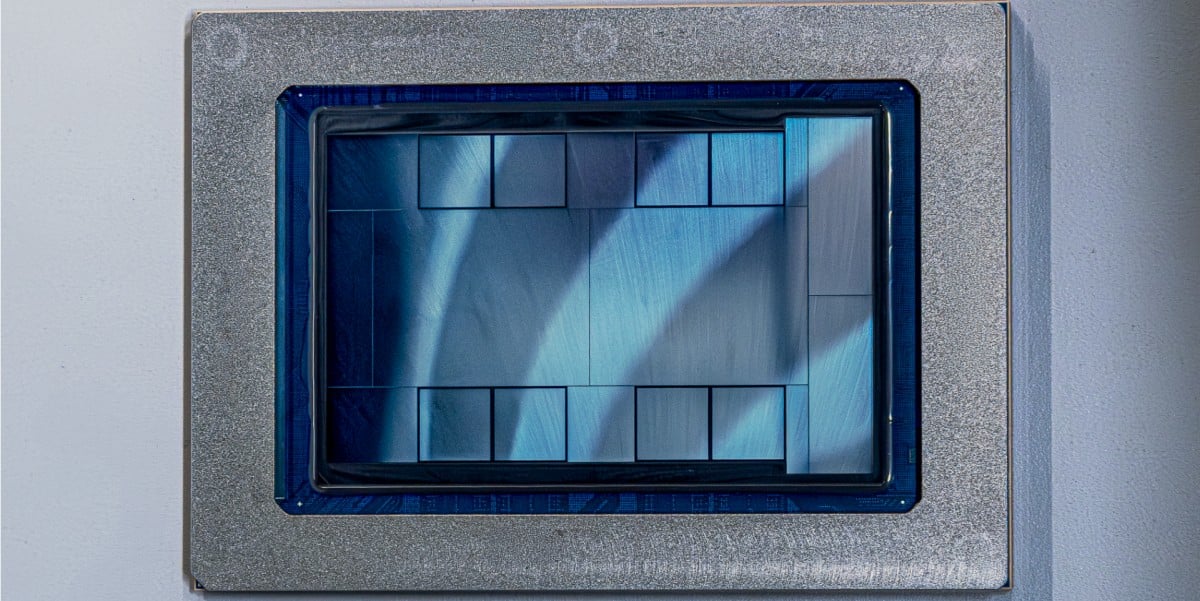
MTIA 300: This one's a "communications chip" tuned for "ranking and recommendation" jobs—like deciding which posts show up first in your feed. It's made of one main compute chiplet (a small, specialized processor block), two network chiplets for connecting everything, and stacks of HBM (high-bandwidth memory, think super-fast RAM for AI). Each compute chiplet has a grid of processing elements (PEs), some extras for reliability, and every PE packs two RISC-V vector cores (simple, efficient processors good at math-heavy AI tasks). It's already in production, crunching real workloads.
-
MTIA 400: An upgrade from the 300, now handling both recommendations and generative AI (like creating text or images from prompts). Meta says it's their first chip with "raw performance competitive with leading commercial products." It uses two compute chiplets. You can fit 72 of these in a single rack (a tall server shelf), wired together via a switched backplane (like a smart highway for data). Testing's done, so it's heading to data centers soon.
-
MTIA 450: Optimized for "GenAI inference" (running pre-trained AI models to generate stuff quickly). It doubles the HBM bandwidth of the MTIA 400—meaning way more data zipping in and out super fast—which Meta claims makes its performance "much higher than that of existing leading commercial products." Mass rollout starts early 2027.
-
MTIA 500: Even better for GenAI inference, boosting HBM bandwidth another 50% over the 450. It uses a 2x2 setup of smaller compute chiplets, surrounded by HBM stacks and two network chiplets, plus an SoC chiplet (system-on-chip) for hooking up to the main server CPU and networking. Also mass-deployed in 2027.
Meta shared full specs (like bandwidth numbers and layouts) in their post, showing a modular design—they can swap parts like Lego bricks. This lets them release a new chip every six months, reusing the same chassis, racks, and networks for MTIA 400/450/500. Broadcom confirmed Meta's installing "multiple gigawatts" worth— that's like powering a small city with these chips—starting 2027. No pricing details yet, but custom chips like this often slash costs over buying from Nvidia or AMD, especially at scale.
It's a big flex: Meta's joining Google and Amazon in ditching "commercial silicon" (off-the-shelf chips) for homegrown ones, amid massive data center expansions. Recent context shows Meta's still buying from Nvidia and AMD, but these custom ones fill gaps for specific jobs.
But there's a downside in the news: Meta's Oversight Board slammed them for failing to flag AI-generated fakes properly. A fake video from the fictional "2025 12-day war" between Israel and Iran wasn't marked "High Risk AI" despite fact-checkers calling it out and users reporting it. The Board says Meta's tools aren't robust enough for fast-spreading AI slop during crises, especially after ditching third-party fact-checkers for user reports (like X/Twitter does). They want better resources for fact-checkers in conflicts.
Why should you care?
These chips aren't just techie toys—they directly power the AI magic making your social media addictive and useful. Faster chips mean Meta can run bigger, smarter AI without jacking up prices or slowing down. Think: Instagram Reels edited by AI in seconds, Facebook feeds that nail your interests perfectly, or Llama AI (Meta's free model) generating realistic images without lag.
Personally, it matters because Meta serves 3+ billion people daily. Cheaper, custom chips could keep features free or low-cost, avoiding the "AI price hikes" other companies might pass on. But the sloppy AI content flagging? That's risky for you—fake videos could mislead you during real news events, like elections or wars, stirring drama in your groups or stories.
In the bigger picture, Meta's chip spree challenges Nvidia's dominance (they supply most AI chips). If Meta pulls ahead, it pressures everyone to innovate faster, making AI cheaper and better across apps—not just Meta's. No benchmarks shared yet beyond Meta's claims, but "competitive" or "much higher" performance hints at real edges in speed per watt for their workloads.
What changes for you
For everyday users, changes roll out gradually as chips deploy:
-
Speedier AI features: By late 2024/2025 (MTIA 400), expect snappier generative AI on Meta apps—like faster Imagine (AI images) or chatbots. By 2027 (450/500), inference-heavy stuff (e.g., real-time video generation or personalized ads) gets a huge boost from doubled/tripled memory bandwidth.
-
Better recommendations: MTIA 300/400 refine your feed, groups, and Marketplace suggestions. No more irrelevant posts burying the good stuff.
-
Cost stability: Gigawatt-scale custom chips cut Meta's bills (no more Nvidia shortages), so free apps stay free. Advertisers might see indirect savings, meaning fewer intrusive ads.
-
Content risks: Watch for more AI slop—Meta's fixing flagging, but double-check viral videos, especially in conflicts. User reports now drive moderation, so flag fakes yourself.
-
No app overhauls: Your Facebook/Instagram won't change overnight. Updates come via app versions, focusing on "smarter AI" in feeds and creators tools.
No word on sharing these chips outside Meta, so no direct access for you yet. But it accelerates free AI like Llama models, which anyone can download.
Frequently Asked Questions
### Are these chips available for me to buy or use?
No, these MTIA chips are custom-built for Meta's own data centers to run their services. You won't buy one, but you'll feel the benefits through faster AI on Facebook, Instagram, WhatsApp, and tools like Llama AI models, which are free for anyone to use.
### How do Meta's chips compare to Nvidia or other companies?
Meta claims the MTIA 400 matches "leading commercial products" (like Nvidia's), while 450 and 500 beat them with higher performance from doubled/1.5x HBM bandwidth. No independent benchmarks yet, but they're optimized for Meta's specific AI tasks like recommendations and image generation, not general use. This helps Meta avoid Nvidia's high costs and shortages.
### When will I notice these chips in Meta's apps?
MTIA 300 is already live. MTIA 400 deploys soon after testing (2024/2025). Big changes hit early 2027 with 450/500. Look for announcements about "faster AI generation" or improved feeds—subtle at first, then obvious in tools like Reels editing or chat.
### Will this make AI content on Meta more reliable?
Not automatically—the Oversight Board criticized Meta for missing fake AI videos, even with reports and fact-checks. They're urged to beef up tools for crises, but with user-led moderation now (no third-party fact-checkers), you should verify suspicious posts yourself.
### Does this affect Meta's ad prices or my data privacy?
No direct pricing changes mentioned, but cheaper chips could stabilize free services. Privacy stays the same—Meta still uses your data for recommendations. Custom chips might enable more personalized (and targeted) AI ads without extra cost to them.
The bottom line
Meta's four new MTIA chips (300, 400, 450, 500) are a powerhouse move to supercharge their AI with custom silicon that outperforms commercial options, deploying at gigawatt scale by 2027 via Broadcom partnership. You'll get faster, smarter features on your favorite apps—like lightning-quick AI creations and spot-on feeds—while Meta saves cash long-term. But the wake-up call on unflagged AI fakes means staying vigilant amid rising slop. Overall, this levels the AI playing field, promising better free tools for billions without the Nvidia tax—watch for speed-ups soon, and flag the fakes yourself.
(Word count: 1247)