
The short version
Nvidia is shifting its focus toward a new type of central processor (CPU) specifically designed to power "agentic AI"—AI systems that can complete complex tasks on your behalf. While Nvidia has long been famous for its graphics chips, these new processors act as the "brains" needed to remove current bottlenecks in AI performance. This pivot could significantly change how our computers and devices handle intelligent automation in the very near future.
What happened
For years, Nvidia has been the king of "GPUs" (Graphics Processing Units), which are like high-speed engines perfect for crunching the massive amounts of data required to train AI. However, as we move into the era of "agentic AI"—AI that doesn’t just answer questions but performs multi-step tasks for you—the current computer setup is hitting a wall.
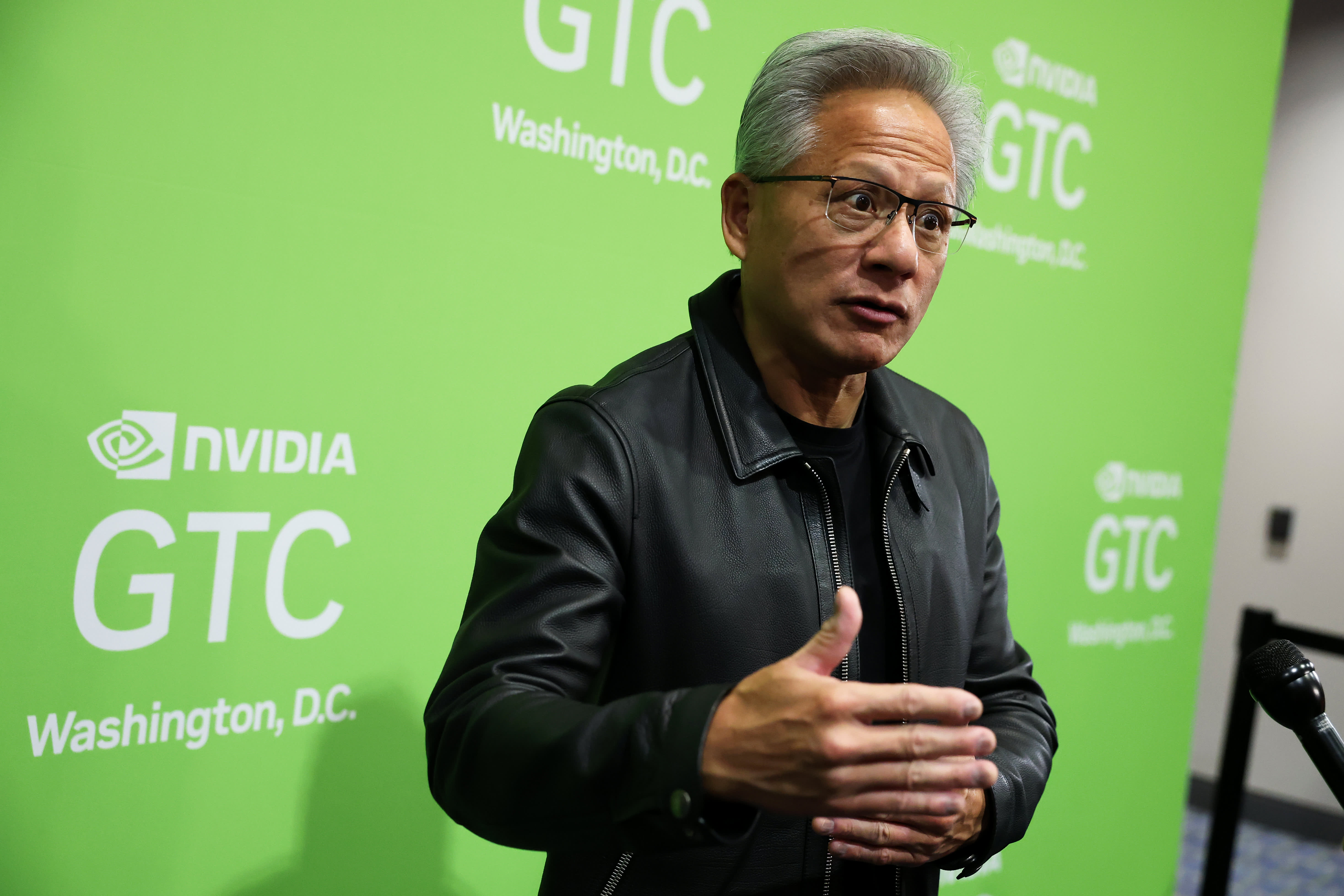
Think of it like a kitchen: the GPU is a super-powered blender that can chop things incredibly fast. But if you have a complex recipe that requires organizing, timing, and coordinating many ingredients, the blender isn't enough. You need a head chef to manage the workflow. That’s the role of the CPU. Nvidia is now moving to make that "head chef" (the CPU) much smarter and faster to support the next wave of AI. At their upcoming GTC conference, they are expected to show off new, specialized processors designed to handle this "agentic" workflow, effectively clearing the bottleneck that has been slowing down AI's progress.
Why should you care?
Right now, your AI experiences—like chatbots or automated tools—can sometimes feel slow, glitchy, or limited in what they can actually "do" for you. By upgrading the brain of the computer (the CPU), these AI agents will become much more capable.
Instead of just writing an email, an AI agent could eventually coordinate your entire calendar, book travel, and manage your household tasks by actually "thinking" through the steps. If Nvidia and competitors like AMD succeed in this pivot, it means your future devices will be able to handle much more complex, real-world tasks without crashing or lagging.
What changes for you
- Smarter personal assistants: You will likely see AI that acts more like a proactive helper rather than a simple search box.
- New hardware on the horizon: If reports regarding a "consumer CPU" market entry are true, the computers and laptops you buy in the coming years may look very different, with new architecture built specifically to run these AI agents locally on your machine.
- Industrial and home automation: As Nvidia positions these chips for robotics and simulation, you may see more reliable automation in smart home devices or even professional services that rely on real-time decision-making.
Frequently Asked Questions
What is "agentic AI"?
Agentic AI refers to systems that don't just generate text or images, but take action to complete goals. Instead of telling a bot to "write an email," you might tell an agent to "plan my vacation and book the tickets," and it will navigate various websites and apps to finish the job for you.
Why are CPUs suddenly more important than GPUs?
GPUs are great at repetitive math, but CPUs are better at managing complex logic and multitasking. As AI moves from just "thinking" to actually "doing" complex tasks, the CPU has become the bottleneck—meaning it’s the piece of hardware that can’t keep up with the work the AI needs to perform.
When will I see these changes in my home?
While Nvidia is showing off this technology at their GTC conference now, it takes time for these chips to move from data centers into consumer laptops and desktops. You can expect to hear more about product release dates and specific consumer hardware availability following the conference.
The bottom line
Nvidia’s move to prioritize CPUs marks a major milestone in the evolution of AI. By tackling the current technical "bottleneck," they are setting the stage for AI agents that can actually get things done, rather than just talking about them. For the everyday user, this means the next generation of our technology will likely be more capable, more proactive, and better at handling the complex, messy tasks of our daily lives.