
The short version
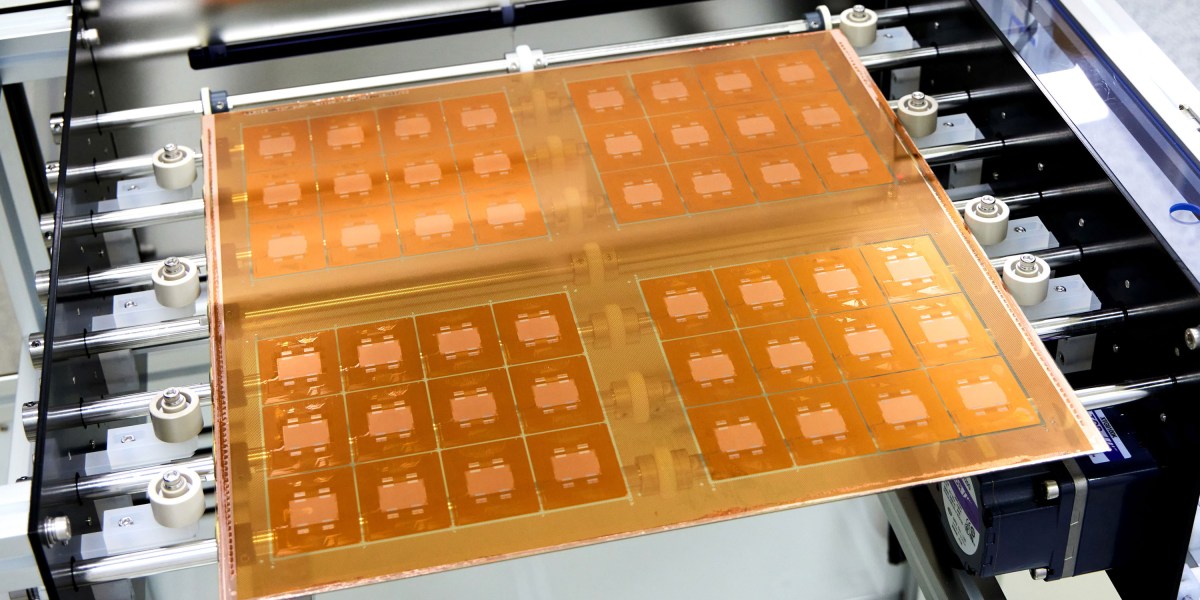
Glass substrate technology is a new way to build computer chips that uses glass panels instead of traditional plastic-like materials to connect components. Companies like Intel and Absolics are adopting this to help AI chips run cooler, faster, and more efficiently. For you, this means the next generation of AI-powered computers and mobile devices could become significantly more capable and energy-efficient as the technology matures.
What happened
For decades, the "foundation" or base layer of computer chips—the part that acts as the motherboard for the tiny silicon processors—has been made from organic materials, like a type of hardened, fiber-reinforced plastic. Think of this foundation like the plot of land a house is built on.
As AI tasks have become more intense, these chips generate a lot of heat. When the chips get hot, that traditional plastic foundation starts to warp or bend. Imagine your house’s foundation shifting slightly every time you turn on the oven; it leads to cracks and alignment issues. This "warpage" makes it difficult to pack more power into a small space.
Engineers have discovered that glass is a much more stable "land" to build on. Unlike plastic, glass doesn't warp under high heat, and it allows engineers to pack about 10 times more connections into the same tiny amount of space. By switching to glass, tech companies can build more powerful, stable "brains" for our devices that don't overheat or slow down as easily.
Why should you care?
Right now, this change is mostly happening in massive data centers—the giant warehouses of computers that power the AI apps you use every day, like ChatGPT or image generators. However, the goal is to bring this technology to your personal laptop and phone.
If your device's "brain" is built on glass, it can perform more complex tasks (like real-time language translation or video editing) without draining your battery as quickly. Because the glass allows for tighter connections, your future devices could be physically smaller while being significantly more powerful. In short: you’ll get more "brainpower" in your pocket or backpack, without the device needing to be bulkier or slower to cool down.
What changes for you
- Better Battery Life: Because glass helps chips work more efficiently, your future devices will likely waste less electricity, meaning you can get more work done on a single charge.
- Faster AI Features: If your device can handle more data connections, features like voice assistants, AI photo editing, and predictive typing will become snappier and more accurate.
- Smaller, Sleeker Devices: As engineers figure out how to squeeze more components onto these glass plates, laptops and phones can stay compact without sacrificing performance.
Frequently Asked Questions
Will my current phone or laptop become obsolete overnight?
No. This transition is happening slowly, starting in massive data centers and moving toward consumer devices over the next few years. Your current devices will continue to work exactly as they do today.
If glass is fragile, won't my computer break easily?
These glass panels are incredibly thin (less than a millimeter) and are safely protected inside the internal structure of the chip package. You won't actually see or handle the glass, so it is no more fragile for the average user than the current plastic foundations.
When can I expect to see this in my personal devices?
While high-end data centers are adopting this technology now, it will take time for production costs to drop enough for everyday electronics. Industry leaders like Samsung expect the transition for advanced hardware to continue rolling out through 2026 and beyond.
The bottom line
We are hitting a physical limit with how much power we can cram into computer chips using old-school materials. By switching to glass, tech companies are essentially clearing the "mechanical wall" that prevents our devices from becoming even more capable. While you won't see a glass chip inside your current phone today, this shift is the secret engine that will power the faster, cooler, and more efficient AI-driven devices of the very near future.