
The Short Version
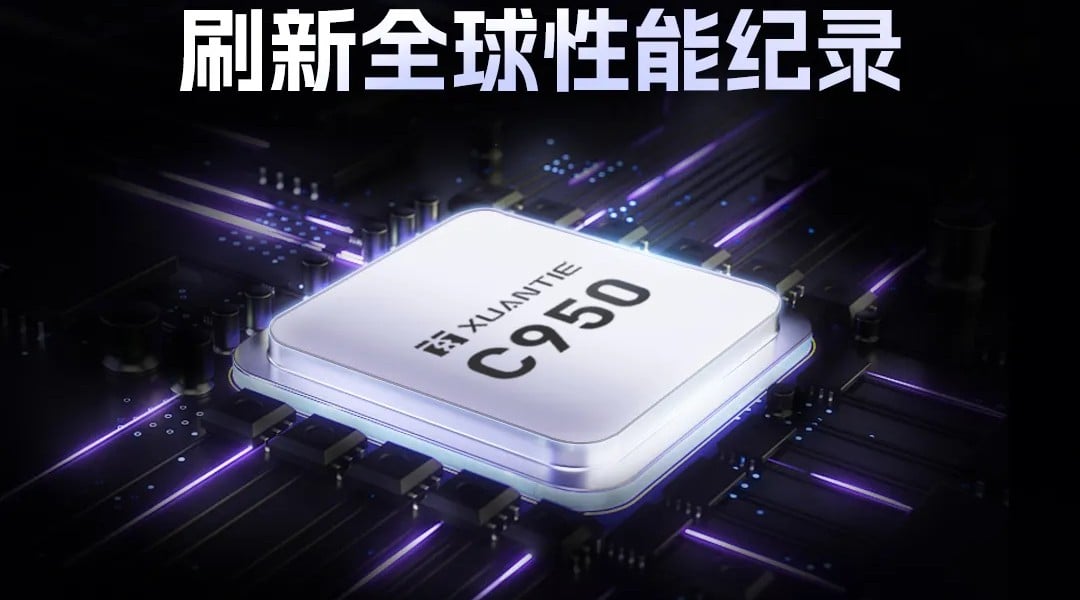
Alibaba has unveiled the XuanTie C950, a powerful new computer processor built on an open-source technology called "RISC-V" that is specifically designed to run advanced AI models. While it is not as fast as the most cutting-edge chips from Western companies, it is a significant step toward China becoming more self-sufficient in the technology needed to power future AI tools. For the average person, this means the AI services you use—like chatbots and smart assistants—might become more affordable and reliable if they run on Alibaba's custom-built infrastructure.
What Happened?
To understand this news, think of a computer chip like the engine of a car. Most modern high-end processors (like those in your laptop or smartphone) are built using specialized blueprints owned by a few massive companies.
Alibaba has instead used a technology called RISC-V (pronounced "risk-five"). Think of RISC-V like an "open-source" recipe for a computer chip—anyone can use it to build their own custom version without having to pay licensing fees to those big companies. Alibaba’s new chip, the XuanTie C950, is essentially a highly customized, high-performance "engine" designed specifically to handle the heavy lifting required for AI, such as thinking through complex requests or helping robots work.
While experts note that this chip’s performance is roughly on par with Apple’s M1 chip from 2020—meaning it’s not the fastest piece of hardware on the planet by today’s standards—it represents a major leap in China's ability to build its own AI-focused technology from the ground up.
Why Should You Care?
If you live outside of China, you might never touch an Alibaba-built server, but this news matters for a few reasons:
- Lower Costs for AI: AI is incredibly expensive to run. Because Alibaba is designing its own chips specifically for its own software (like its "Qwen" AI models), it can make the process more efficient. If companies can run AI more cheaply, those savings are more likely to be passed on to users in the form of lower subscription fees or more free AI features.
- Global Competition: This is part of a larger global race. As companies like Alibaba get better at building their own "AI brains," it reduces their reliance on imported technology. This shifts the balance of power in the tech world, potentially leading to a wider variety of AI tools being developed independently of the current industry leaders in the U.S.
- The "AI Agent" Future: The chip is optimized for "agentic AI"—AI that doesn't just answer questions but can actually do things for you, like booking travel or managing your digital calendar. This chip is a piece of the foundation for that future.
What Changes for You
In the immediate future, you won't see a "XuanTie" sticker on your next laptop. However, you will likely see the impact through the cloud services you use. If you use apps that rely on Chinese cloud infrastructure or AI services, you may find these services becoming more responsive and better at handling complex AI tasks over time. Because Alibaba is matching their chip hardware closely to their own software, the experience of using these AI tools should become smoother and more cost-effective.
Frequently Asked Questions
Is the XuanTie C950 better than chips from Nvidia or Intel?
Not currently. Experts consider it a significant achievement for open-source chip design, but its performance is considered to be several years behind the latest top-tier hardware from Western leaders. It is a solid, capable chip, but it isn't setting new world speed records.
Can I buy a device with this chip in it?
No. This is a "server-grade" chip, meaning it is designed for giant data centers that power cloud services. You won't find it in consumer devices like your phone or home computer.
How does this change the price of AI tools?
By using custom chips that work perfectly with their specific AI models, Alibaba aims to lower the "hardware cost" of running AI. If the cost for a company to provide AI services drops, it is more likely they will offer cheaper or more generous free versions of those services to users.
The Bottom Line
Alibaba’s new XuanTie C950 is a strategic move to secure the future of AI in China by building custom hardware that fits their software like a glove. While it isn't going to dethrone global leaders overnight, it proves that "open" chip technology is becoming powerful enough to handle the massive demands of modern AI. For you, this means the race to build better, cheaper AI is heating up, which ultimately leads to more innovation and hopefully better tools for your daily digital life.