
The Short Version
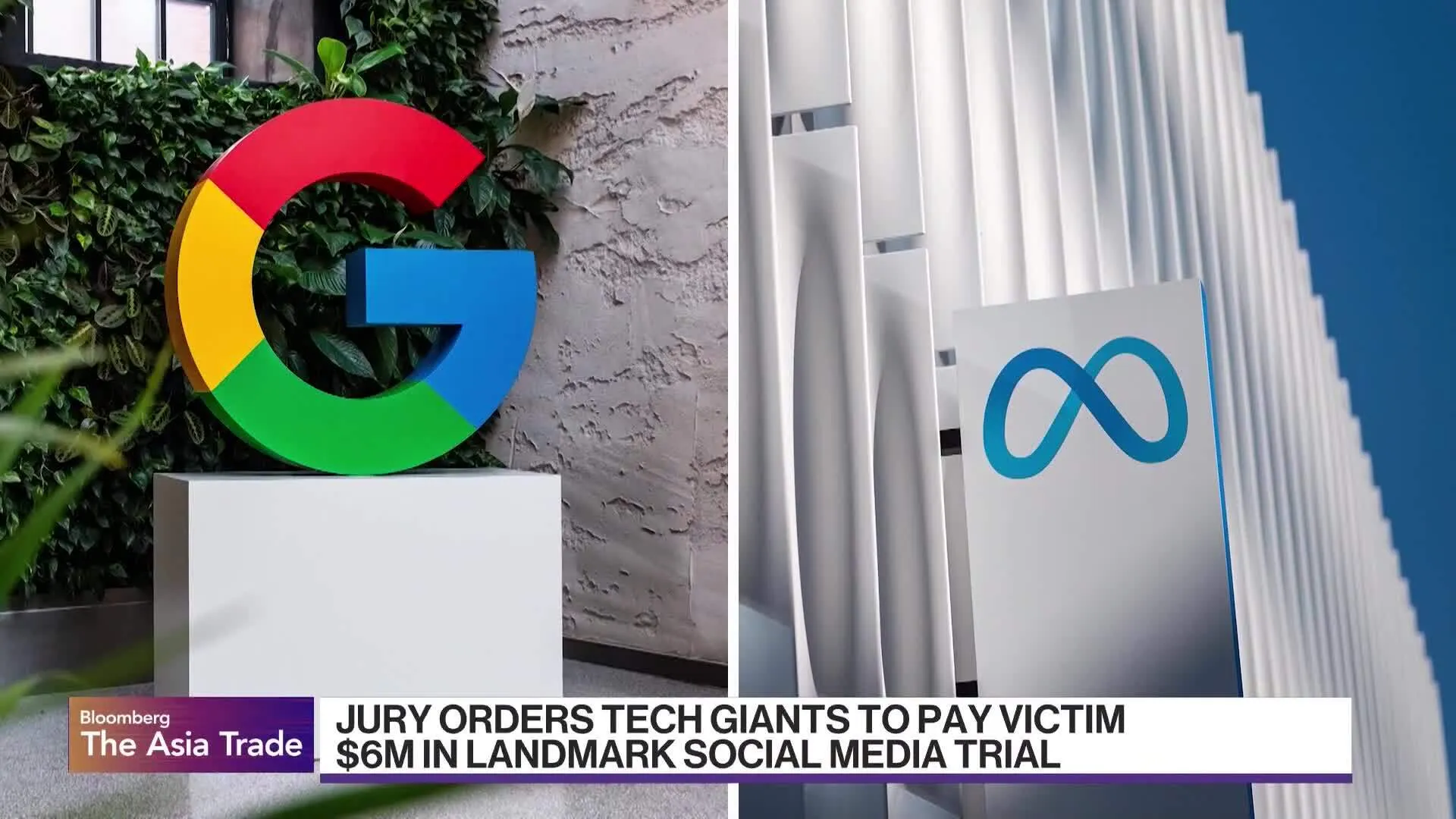
A jury recently found that Meta (the company behind Facebook and Instagram) and Google (owner of YouTube) are legally responsible for harming a young user through products designed to be addictive. This landmark legal decision suggests that these companies were negligent in how they built their platforms and failed to warn users about the dangers of using them. For the public, this could lead to stricter government rules on how social media apps operate in the future.
What Happened
Think of your favorite social media app like a casino game. The jury in this case looked at how platforms like Instagram, Facebook, and YouTube are designed to keep you scrolling for as long as possible, using algorithms that act like "hooks" to grab your attention.
After a trial in Los Angeles, jurors concluded that these companies didn't just build apps—they intentionally created addictive designs that negatively impacted a young person's mental health. The jury decided that these companies were "negligent," meaning they failed to take reasonable care to prevent harm and didn't warn users about the risks of getting hooked on their platforms. While Meta and Google have denied these claims and argued their platforms are built responsibly, the court has officially sided with the argument that the design of these apps is a public health concern.
Why Should You Care?
You should care because this verdict challenges the "unlimited scroll" business model that dictates your daily screen time. For years, social media companies have argued that they are simply neutral platforms providing a service. This ruling shifts that narrative, putting the companies on the hook for the psychological impact of their design choices.
If you or your family members find it hard to put your phone down, you aren’t alone—and for the first time, a court has agreed that the product itself might be the reason why.
What Changes for You
Right now, you won't see your apps disappear overnight, and your accounts are still active. However, this ruling is a major "wake-up call" for the tech industry. Here is what you might see in the near future:
- New Regulations: The government may step in to force changes in how apps work, such as limiting auto-play features or changing how algorithms recommend content to younger users.
- More Safety Features: Expect to see more "nudge" notifications, stricter time limits, or better parental control tools as these companies try to avoid further lawsuits.
- Increased Transparency: Tech companies may be forced to be more open about how their "recommendation engines" work behind the scenes.
Frequently Asked Questions
Is this the end of Facebook, Instagram, and YouTube?
No. The verdict does not shut down these platforms, but it does hold the parent companies legally responsible for the harm their designs can cause. This will likely force them to change how their apps are built to avoid future legal trouble.
Will I be able to sue these companies if I’m addicted to social media?
This specific case dealt with a particular individual’s harm. While this sets a legal precedent, it doesn’t automatically make every user eligible for a payout. It does, however, open a path for more legal scrutiny of these companies' practices.
When will I see changes to my apps?
Changes likely won't happen instantly. Because this involves potential government regulation, it may take time for new laws or industry standards to be written and put into effect.
The Bottom Line
The legal landscape for social media has fundamentally shifted. By finding Meta and Google liable for "addictive" design, the courts are signaling that tech companies can no longer ignore the mental health consequences of their business models. For everyday users, this means we are likely moving toward an era of safer apps, better warnings, and more government oversight on how much of our time these companies can claim.
Sources
- Bloomberg: Meta, Google Found Liable in Social Media Addiction Case
- NPR: Jury finds Meta and Google negligent in social media harms trial
- BBC: Meta and YouTube found liable in social media addiction trial
- The New York Times: Meta and YouTube Found Negligent in Landmark Social Media Addiction Trial
- CNN Business: Meta and YouTube found liable in social media addiction trial
- CNBC: Jury in Los Angeles finds Meta, YouTube negligent in social media addiction trial