
The short version
Kasal is a new open-source tool from Databricks Labs that makes it easy to build and manage "agentic AI" workflows using simple visual diagrams, like dragging and dropping blocks in a game. It turns complicated AI agent setups—smart programs that act on their own—into an intuitive experience for teams handling big data. For everyday people, this could mean faster, more reliable AI tools in apps and services you use, without the behind-the-scenes tech headaches.
What happened
Imagine you're planning a road trip. Instead of scribbling notes on paper or juggling a dozen apps, you use a visual map app where you drag pins for stops, routes, and hotels—it all connects automatically. That's the idea behind Kasal, a fresh project from Databricks Labs announced recently.
Databricks, a company that helps businesses wrangle huge piles of data with AI, just released Kasal as an open-source tool on GitHub. "Agentic AI" refers to smart AI systems that don't just answer questions—they take actions, like booking a flight or analyzing sales data step-by-step. More companies are using these agents to get work done faster, but building them is tricky: it's like wiring a complex machine with code that can break easily.
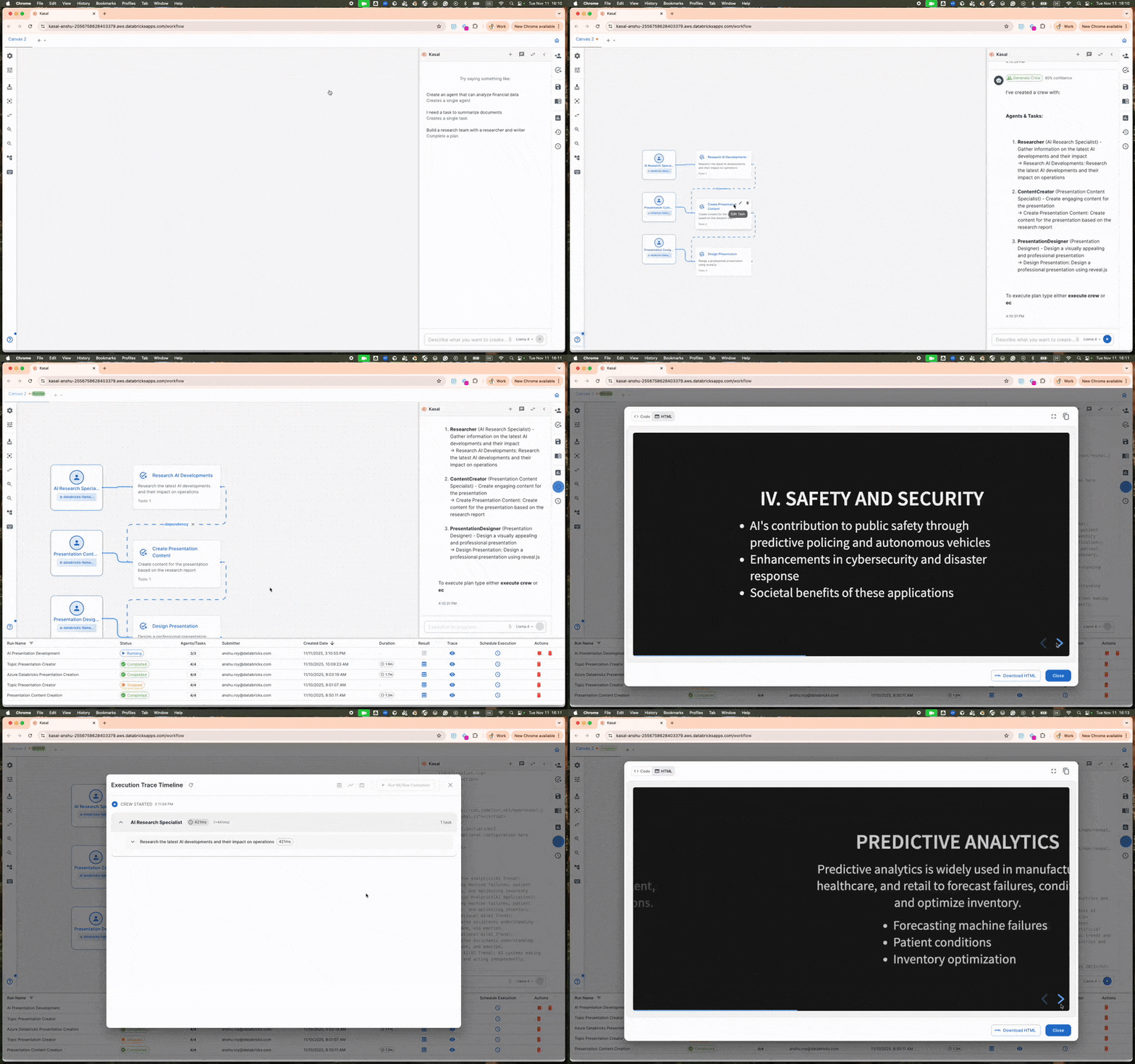
Kasal fixes that by letting you create these AI workflows visually. Think Lego blocks: you snap together pieces for different AI tasks (like "search data," "make a decision," or "send an email") on a digital canvas. No deep coding needed—it's designed for "enterprise power" with simple drag-and-drop. It's available now on GitHub, where developers are already chatting about new features, and it supports common setups like Windows and Linux.
Why should you care?
You might not touch code yourself, but agentic AI is sneaking into your daily life. It's powering things like personalized shopping recommendations that actually order for you, customer service bots that fix your bill without transfers, or health apps that track your fitness and suggest doctor visits. Right now, building these reliably is hard and expensive for companies, leading to glitchy AI or slow rollouts.
Kasal makes it simpler and cheaper to orchestrate (that's tech-speak for "coordinate") these agents visually. For you, that means AI in apps could get smarter and more trustworthy faster. Businesses save time and money, which often trickles down as better services—no more frustrating AI chats that go in circles. Since it's open-source (free for anyone to use and improve), it speeds up innovation across the industry, potentially making AI helpers in your email, banking, or shopping apps more helpful and less error-prone.
What changes for you
Practically speaking, nothing flips overnight—Kasal is a tool for developers and data teams, not a consumer app. But here's the ripple effect:
-
Smoother AI experiences: If you use tools like customer support chatbots or automated planners (think Google Workspace or Microsoft Copilot), they might handle multi-step tasks better, like "reschedule my meeting and update my calendar" without failing halfway.
-
Faster business AI adoption: Companies using Databricks (big names in finance, healthcare, retail) can deploy agentic AI quicker. Your bank's fraud alerts or e-commerce suggestions could become proactive, acting before you notice a problem.
-
Lower costs, better value: Visual tools cut development time, so services might stay affordable or even get cheaper. Open-source means community tweaks, like recent Windows/Ubuntu support, make it accessible to more teams.
-
Your data stays secure: Built for "enterprise," it emphasizes reliable workflows, reducing AI mistakes that expose info or waste your time.
Over time, as more apps integrate agentic AI built with tools like Kasal, your phone or computer feels more like a personal assistant that does stuff, not just talks about it.
Frequently Asked Questions
### What exactly is Kasal, and who is it for?
Kasal is a free, open-source project from Databricks Labs that lets people build AI agent workflows using visual diagrams instead of writing tons of code. It's aimed at developers, data scientists, and business teams who want powerful AI without the complexity. Regular folks benefit indirectly as it makes company AI tools more efficient.
### How is Kasal different from other AI tools?
Unlike code-heavy frameworks that feel like solving a puzzle blindfolded, Kasal uses a visual interface—like a flowchart app—to connect AI agents. It's tailored for "agentic AI orchestration," meaning coordinating smart agents that act independently, with enterprise-grade reliability. Think of it as Canva for AI workflows versus writing a novel in code.
### Is Kasal free, and when can I try it?
Yes, it's completely free and open-source on GitHub, so anyone can download and use it right now. Head to the Databricks Labs repo to experiment if you're tech-curious, or watch as companies integrate it into services you already use—no signup needed to benefit.
### Will Kasal make AI agents available in my everyday apps?
Not directly, but yes indirectly—it simplifies building them for businesses, so apps like chatbots, planners, or analytics tools could get agentic features sooner. Expect improvements in reliability for things like automated shopping or work assistants over the next year or two.
### Is this safe and ready for big companies?
Absolutely—it's designed for enterprise use, with a focus on powerful, scalable AI orchestration. Early GitHub activity shows ongoing improvements, like platform support, and Databricks' backing ensures it's built tough for real-world data handling.
The bottom line
Kasal is Databricks' smart move to democratize agentic AI, turning headache-inducing code into visual drag-and-drop magic that could supercharge business tools you rely on. For non-techies, the win is subtle but real: expect AI in your apps to evolve from chatty helpers to action-takers that save you time, reduce frustrations, and deliver personalized smarts without the glitches. Keep an eye on GitHub for updates—this open-source gem could quietly make AI feel more like a trusty sidekick in your daily grind. If you're in business or curious, poke around the repo; otherwise, sit back as the benefits roll out.