
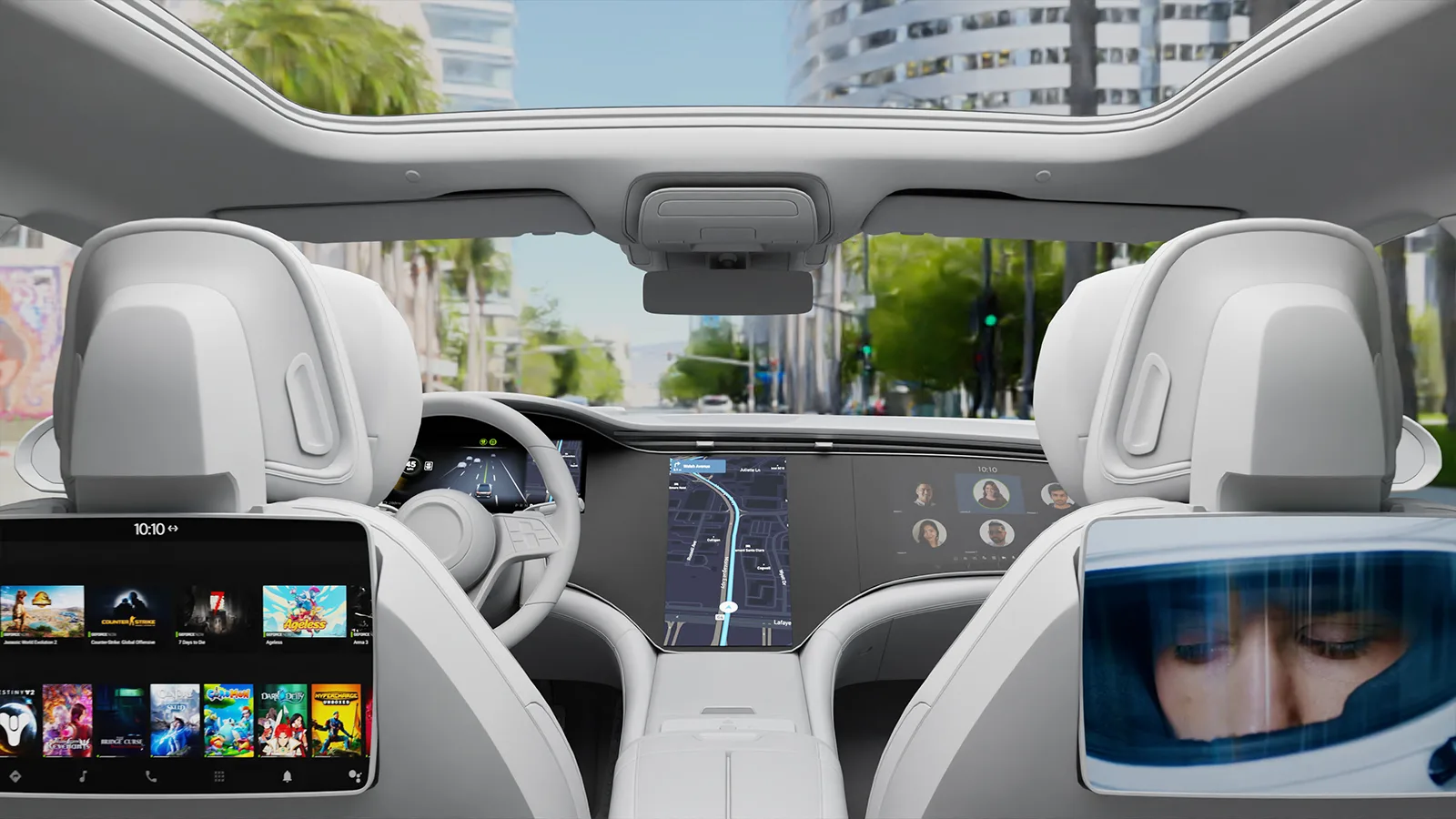
NVIDIA's Edge AI Boost: Smarter Self-Driving Cars and Robots Without Needing the Internet
The short version
NVIDIA's new TensorRT Edge-LLM software update lets powerful AI brains run directly on small, power-saving chips inside self-driving cars and robots. This means these machines can think, talk, and make decisions super fast without connecting to the cloud, using tricks like "mixture of experts" to act smart while sipping power like a phone on low battery. For you, it could lead to safer rides in autonomous vehicles and more helpful home robots that work reliably anywhere.
What happened
Imagine your car's brain or a robot's mind as a super-smart librarian who needs to answer questions instantly without phoning a friend in the cloud. NVIDIA just upgraded their TensorRT Edge-LLM tool—a speedy software engine—for their tiny powerhouse chips like Jetson Thor and DRIVE AGX Thor. These chips fit right inside robots or vehicles.
The big wins? It now handles "mixture of experts" (MoE), where the AI only wakes up the exact brain parts it needs per question, like calling in a specialist doctor instead of the whole hospital—keeping things fast and energy-light. It supports Cosmos Reason 2 for figuring out space, time, and 3D positions (think a robot navigating a messy room). Plus, Qwen3 tools add voice chat: speech-to-text (ASR) and text-to-speech (TTS) so robots or car assistants can talk back naturally. And Nemotron models enable "hybrid reasoning"—deep thinking mixed with quick chit-chat—all on battery power without delays.
This isn't cloud AI; it's "edge AI," running everything locally on the device, perfect for spots with bad internet or where split-second choices matter, like dodging obstacles.
Why should you care?
Right now, self-driving cars and robots often lag or fail without strong Wi-Fi, making them less safe or useful. This NVIDIA update makes AI reliable in the real world—think your future robot vacuum that chats with you and avoids the cat without phoning home, or a car that plans routes and explains decisions instantly. For everyday folks, it means faster rollout of affordable autonomous taxis, delivery bots, or home helpers that save time and reduce accidents. No more "AI only works in labs"—this brings it to streets and homes, potentially cutting costs as devices get smarter without pricey cloud fees.
What changes for you
- Safer rides: Autonomous cars like robotaxis could react quicker to traffic, using onboard AI for planning paths and understanding multi-camera views—less human error on roads.
- Helpful gadgets at home: Robots for chores (cleaning, elderly care) that understand voice commands, reason about their surroundings, and work offline in your basement or backyard.
- No internet dependency: Devices keep humming during outages, making smart homes or delivery drones more practical.
- Cheaper in the long run: Efficient power use means longer battery life and lower energy bills for robot-powered services.
Apps on your phone won't change yet—this is hardware-level for machines—but expect it in consumer products like advanced vacuums or cars within a couple years.
Frequently Asked Questions
### What are NVIDIA Jetson and DRIVE chips?
These are small, powerful computer brains from NVIDIA that fit inside robots, drones, or cars. They're like a smartphone's chip but supercharged for AI, handling heavy thinking on low power without needing the internet—perfect for real-world action like a self-driving car dodging potholes.
### How is this different from cloud AI like ChatGPT?
Cloud AI sends your questions to big internet servers, which can be slow or fail without Wi-Fi. Edge AI runs everything right on the device, like having a genius built into your car or robot—faster, private, and works anywhere, but optimized for physical tasks like moving or talking.
### When will I see this in products I can buy?
Not specified yet, but it's for developers building now on NVIDIA's Thor chips. Expect it in self-driving cars, home robots, or delivery bots in 1-2 years—think Tesla updates or new Roomba-like cleaners that chat and navigate smarter.
### Is this safe for self-driving cars?
Yes, it focuses on low-delay decisions and explainable choices (AI shows why it acts), which builds trust. Power limits ensure it won't overheat during long drives, making real-time safety better for passengers.
### Does this make robots or cars cheaper?
Indirectly, yes—running AI locally cuts cloud costs for companies, potentially lowering prices for robotaxis or home bots. Efficient designs also mean less battery drain, so devices last longer without upgrades.
The bottom line
NVIDIA's TensorRT Edge-LLM upgrade is a game-changer for "physical AI," letting self-driving cars and robots think deeply, talk naturally, and act precisely on their own tiny chips—no cloud needed. For you, it paves the way for trustworthy autonomous tech in daily life: safer commutes, handy home helpers, and services that just work. Keep an eye on robot vacuums and ride-sharing apps—they're about to get a lot smarter.
Sources
All technical specifications, pricing, and benchmark data in this article are sourced directly from official announcements. Competitor comparisons use publicly available data at time of publication. We update our coverage as new information becomes available.